Samsung Galaxy S26 Ultra Ditches Periscope Lens for New Telephoto Technology
While Samsung's Galaxy S26 Ultra maintains similar camera sensors to its predecessor, a significant but unannounced change has been discovered in its telephoto system. Unlike previous Ultra models, the S26 Ultra's 50MP 5x optical zoom camera does not use a periscope-style lens, marking a departure from a design that has become standard in high-end smartphones.
The Shift to All Lens On Prism (ALoP) Technology
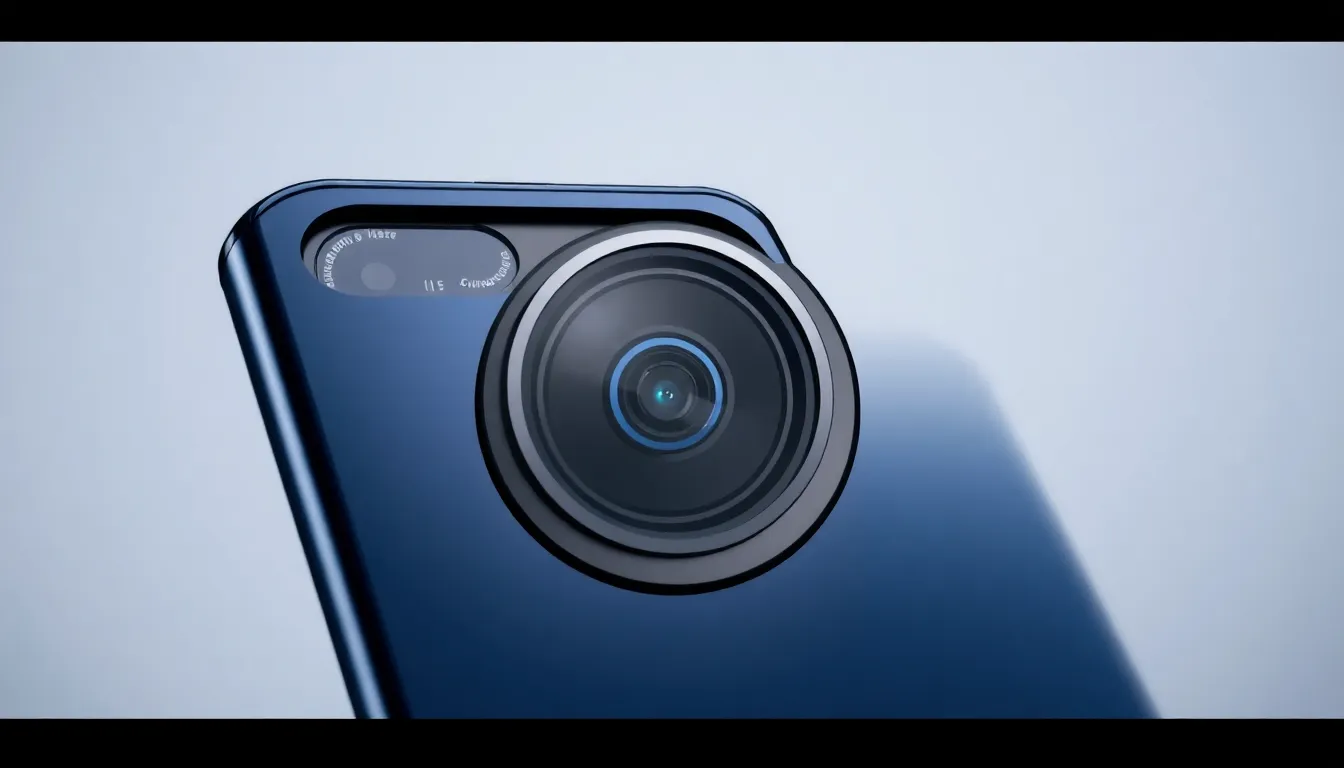
Teardown analysis reveals that Samsung has implemented its All Lens On Prism (ALoP) technology in the Galaxy S26 Ultra's telephoto camera. This system, first announced in late 2024, uses a prism-based design that differs fundamentally from the folded periscope lenses found in previous generations. The most visible evidence of this change is the circular lens opening on the camera module, contrasting with the rectangular openings characteristic of periscope systems.
The ALoP design offers several advantages. It results in a physically smaller camera unit compared to periscope modules, potentially allowing for more efficient internal space utilization. More notably, it produces background blur effects that more closely resemble those from DSLR cameras, with light sources appearing as circular or oval shapes rather than the rectangular artifacts sometimes seen with periscope lenses.
Performance Trade-offs and Improvements
This technological shift comes with both benefits and compromises. On the positive side, the wider aperture on the telephoto camera reportedly improves video quality in low-light conditions compared to the Galaxy S25 Ultra. The more natural bokeh rendering represents another aesthetic improvement for portrait photography.
However, there is a significant trade-off: the minimum focusing distance has increased from 26cm on the S25 Ultra to 52cm on the S26 Ultra. This means users must stand approximately twice as far from their subject when capturing close-up shots with the telephoto camera, potentially limiting some macro photography applications.
Strategic Implementation and Future Implications
Samsung's decision to debut the 5x optical zoom version of ALoP technology in the S26 Ultra represents a calculated move. The company had previously showcased a 3x version in 2024, leading to expectations it might appear in the S25 series, but Samsung waited to develop and implement the more advanced 5x variant.
The fact that Samsung didn't highlight this change during its Galaxy Unpacked presentation suggests the company recognized the mixed implications of the technology shift. While the improved bokeh quality and smaller form factor represent advancements, the increased minimum focusing distance presents a practical limitation that some photographers may find significant.
This move away from periscope technology in favor of ALoP represents Samsung's continued innovation in camera miniaturization and optical quality. As smartphone manufacturers seek to balance photographic capabilities with device thickness and internal space constraints, such prism-based solutions may become more prevalent across the industry.
Conclusion
The Galaxy S26 Ultra's telephoto camera represents a notable evolution in smartphone photography technology. By replacing the traditional periscope lens with ALoP technology, Samsung has achieved more natural bokeh effects and a more compact design, though at the cost of increased minimum focusing distance. This balanced approach to innovation—advancing some aspects while accepting compromises in others—reflects the complex engineering challenges facing smartphone camera development. As the technology matures, future iterations may address current limitations while building on the aesthetic improvements already evident in the S26 Ultra's telephoto performance.