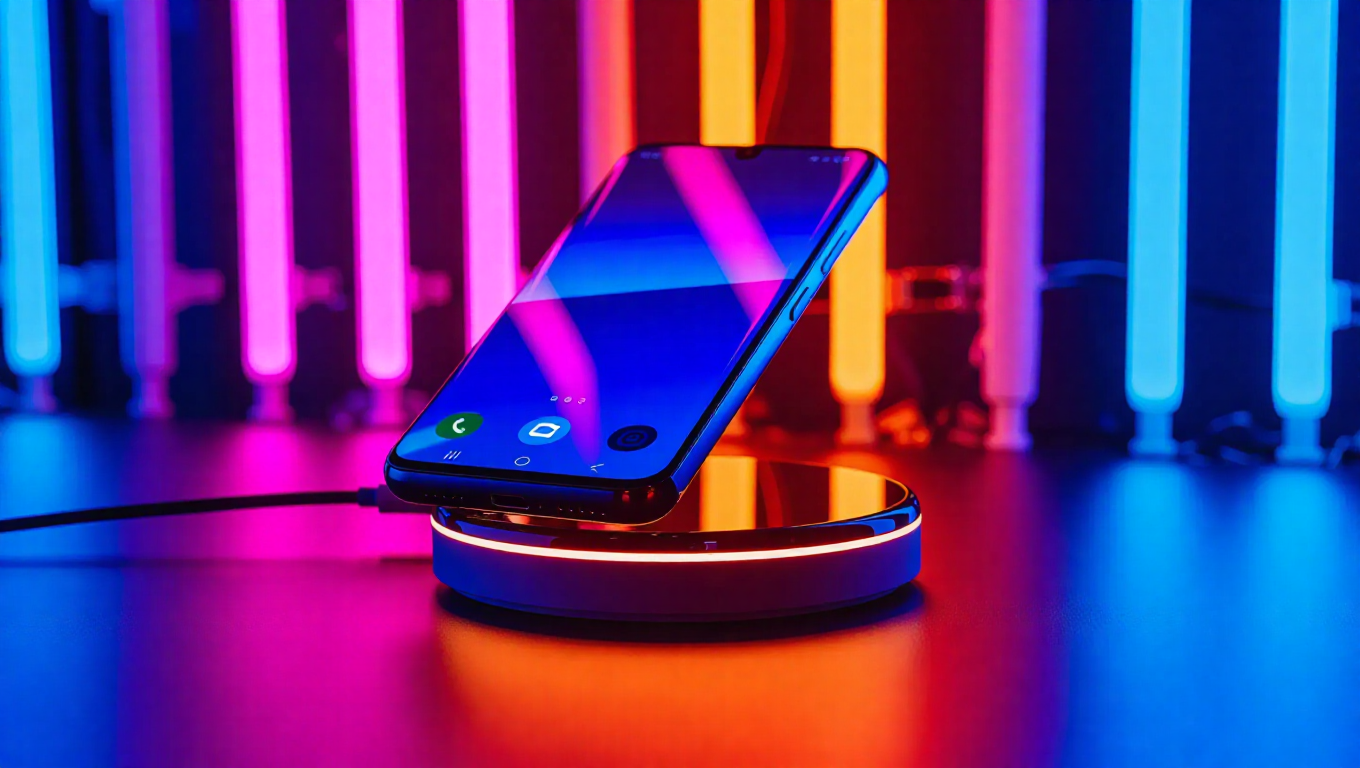
Samsung Galaxy S26 Series: Why Built-In Wireless Charging Magnets Were Omitted
When Samsung announced its Galaxy S26 lineup, many tech enthusiasts noticed a missing feature that has become increasingly common in premium smartphones: built-in magnets for Qi2 wireless charging. While the company enhanced wireless charging speeds on the S26+ and S26 Ultra models, the absence of magnetic alignment hardware has sparked debate among users and industry observers.
The Case for Cases
Internal research reportedly revealed that 83% of Galaxy smartphone users already employ protective cases for their devices. This statistic formed the foundation of Samsung's strategic decision. Rather than embedding magnetic rings directly into the phone chassis, the company opted to integrate these components into official accessory cases instead.
This approach allows Samsung to maintain compatibility with Qi2 accessories while preserving internal space within the devices themselves. The magnetic cases ensure proper alignment with wireless charging pucks and other magnetic accessories, addressing the core functionality without permanent hardware integration.
Design Priorities and Trade-offs
Space utilization emerged as another critical factor in this decision. Company executives indicated that the internal volume that would have been occupied by magnetic components could be allocated to other design priorities. The Galaxy S26 Ultra, for instance, measures just 7.9mm thick, making it Samsung's thinnest Ultra model to date, while also being 4 grams lighter than its predecessor.
Some industry analysts suggest this represents a calculated trade-off. While magnetic charging offers convenience through automatic alignment, Samsung appears to prioritize slim profiles and weight reduction in its flagship devices. The company's design philosophy seems to favor minimalist internal architecture over feature inclusion that might compromise these physical characteristics.
User Perspectives and Market Context
Consumer reactions to this design choice have been mixed. Some users appreciate the continued emphasis on sleek, lightweight devices, particularly given that many already use cases that can incorporate magnetic functionality. Others express disappointment, noting that competitors have successfully integrated magnetic charging without significant thickness penalties.
The debate extends beyond mere convenience to broader questions about smartphone evolution. As devices approach practical limits of thinness, some users question whether marginal reductions in thickness warrant omitting features that enhance accessory ecosystems. Alternative uses for the saved space—such as larger batteries or camera sensors—have been suggested as potentially more valuable to the user experience.
Looking Forward
Samsung's decision reflects a specific interpretation of user behavior and design priorities. By making magnetic functionality case-dependent rather than phone-integrated, the company maintains flexibility for users who value the feature while optimizing internal space for those who don't. This approach also creates additional revenue streams through accessory sales.
As the Qi2 standard gains broader adoption across the industry, Samsung's strategy may evolve. Future iterations could incorporate magnets if user demand intensifies or if engineering advances minimize space requirements. For now, the Galaxy S26 series represents a distinct path in the ongoing development of wireless charging technology.