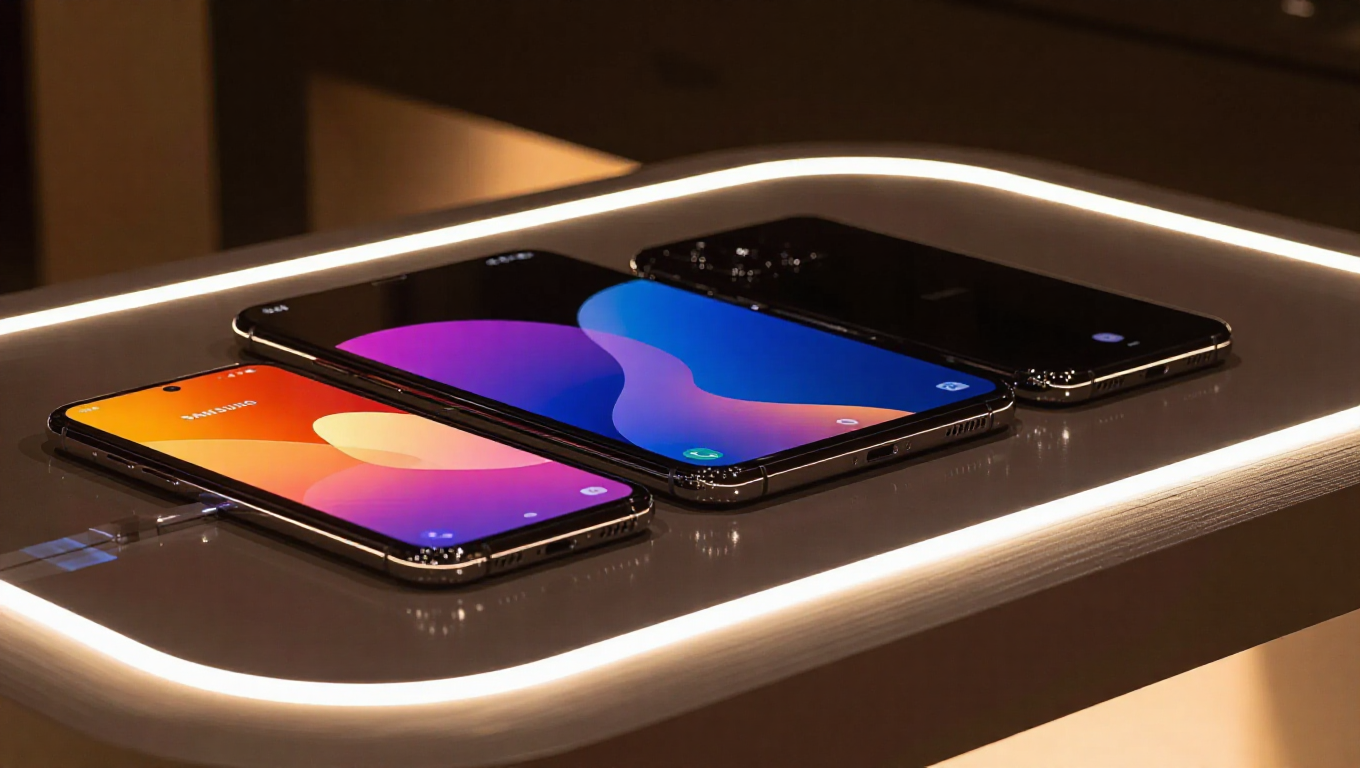
Samsung Galaxy S26 Series: Ultra, Plus, and Standard Models Compared
The Samsung Galaxy S26 series has arrived, presenting consumers with three distinct options: the feature-packed Ultra, the modestly updated Plus, and the refined standard model. Each device targets different segments of the market, but the question remains: which one, if any, is worth your investment?
The Galaxy S26 Ultra: A Premium Powerhouse
The Galaxy S26 Ultra stands out as the flagship of the series, receiving the most significant upgrades. It introduces a new Privacy Display feature and improved camera optics, with wider apertures on both its 200MP main sensor and 50MP telephoto lens. Charging capabilities have seen a notable boost, supporting 60W wired and 25W wireless charging, surpassing previous limits. The design has been subtly refined with a more prominent camera island and rounded corners, while the frame material shifts from titanium back to Armor Aluminum 2. Despite these enhancements, the 5,000mAh battery may seem modest compared to some contemporary rivals. Pricing starts at $1,300, with pre-order incentives including a free storage upgrade to 512GB.
The Galaxy S26+: Stuck in the Middle
The Galaxy S26+ finds itself in a challenging position within the lineup. It faces stiff competition not only from other brands but also from its predecessor, the S25+, as the two models are nearly identical. The primary changes include a chipset variation—Exynos 2600 in most regions, with Snapdragon 8 Elite Gen 5 available in select markets—and a slight increase in wireless charging speed to 20W. With a starting price of $1,100, it may struggle to justify its value against both older Samsung models and competitors' offerings.
The Galaxy S26: Subtle but Meaningful Upgrades
The standard Galaxy S26 receives targeted improvements that align it more closely with competitors like the iPhone 17 Pro and Pixel 10 Pro. It features a larger 6.3-inch display, a 4,300mAh battery (up from 4,000mAh), and a base storage increase to 256GB. However, these upgrades come at a cost, with the starting price rising to $900. The chipset configuration mirrors that of the Plus model, offering regional variations. While not overflowing with new features, these changes address key areas that users often prioritize.
Conclusion: A Series of Contrasts
The Samsung Galaxy S26 series illustrates a clear hierarchy: the Ultra leads with innovation, the standard model gets thoughtful refinements, and the Plus model offers minimal differentiation. For those seeking cutting-edge technology, the Ultra is the obvious choice, despite its premium price. The standard S26 provides a balanced option for users wanting essential upgrades without the Ultra's cost. The Plus, however, may require careful consideration, as its value proposition is less distinct. Ultimately, the decision hinges on individual priorities—whether it's top-tier features, cost-effectiveness, or something in between.