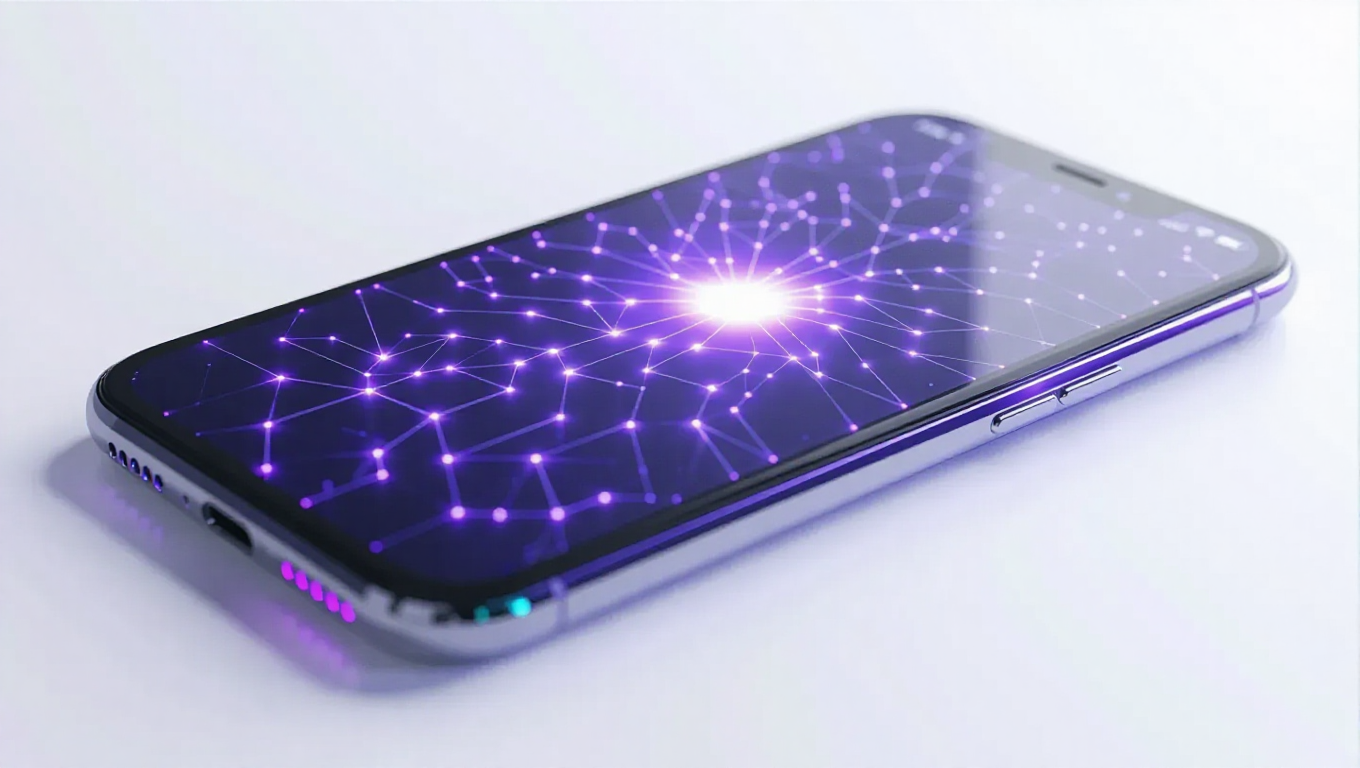
Samsung Galaxy S26 Series to Feature Enhanced On-Device AI Capabilities
Samsung's upcoming Galaxy S26 series is poised to deliver a significant leap in on-device artificial intelligence, leveraging advanced chipset technology and AI optimization partnerships to enhance user experiences directly on the smartphone.
Exynos 2600: The Foundation for AI Advancement
The Galaxy S26 series is expected to debut in early 2026 with Samsung's recently announced Exynos 2600 chipset. This processor, built on a 2nm manufacturing process, represents a major step forward in mobile computing power. Central to its capabilities is an all-new Neural Processing Unit (NPU), which reportedly offers a 113% improvement in performance over the NPU in the previous Exynos 2500 chipset. This enhanced hardware provides the necessary foundation for more sophisticated AI tasks to be processed directly on the device.
Partnership with NotaAI for Model Optimization
A key development in the S26's AI capabilities comes from Samsung's collaboration with Korean AI firm NotaAI. The company's AI model optimization technology will be integrated into the Exynos 2600 platform. NotaAI's NetsPresso optimization platform specializes in reducing the size of AI models while maintaining accuracy, enabling larger and more complex AI models to run efficiently on mobile hardware. This technology allows Samsung engineers to implement more advanced AI features that operate entirely on-device, eliminating the need for constant internet connectivity and potentially improving response times and privacy.
Implications for User Experience
The improved on-device AI capabilities are expected to translate to several practical benefits for Galaxy S26 users. Enhanced natural language processing could enable more responsive and contextual voice assistants. Advanced computational photography features may operate more quickly and with greater sophistication. Real-time translation, content summarization, and personalized recommendations could all see improvements in speed and accuracy. By keeping more AI processing local to the device, Samsung may also address growing consumer concerns about data privacy and reduce dependency on cloud services.
Continuation of Established Collaboration
The partnership between Samsung and NotaAI builds upon previous collaborations that included optimization work for the Exynos 2500 and 2400 chipsets. The two companies have also co-developed Samsung's Exynos AI Studio toolchain, suggesting a deepening relationship focused on advancing mobile AI capabilities. This ongoing collaboration indicates a strategic commitment to making on-device AI a cornerstone of Samsung's flagship smartphone offerings.
Conclusion
The Galaxy S26 series represents Samsung's continued investment in on-device artificial intelligence. Through the combination of the advanced Exynos 2600 chipset and NotaAI's optimization technology, the upcoming smartphones are positioned to deliver more powerful, responsive, and privacy-conscious AI experiences. As smartphone manufacturers increasingly differentiate their products through AI capabilities, Samsung's approach of enhancing on-device processing could set a new standard for the industry, balancing performance with user privacy and offline functionality.