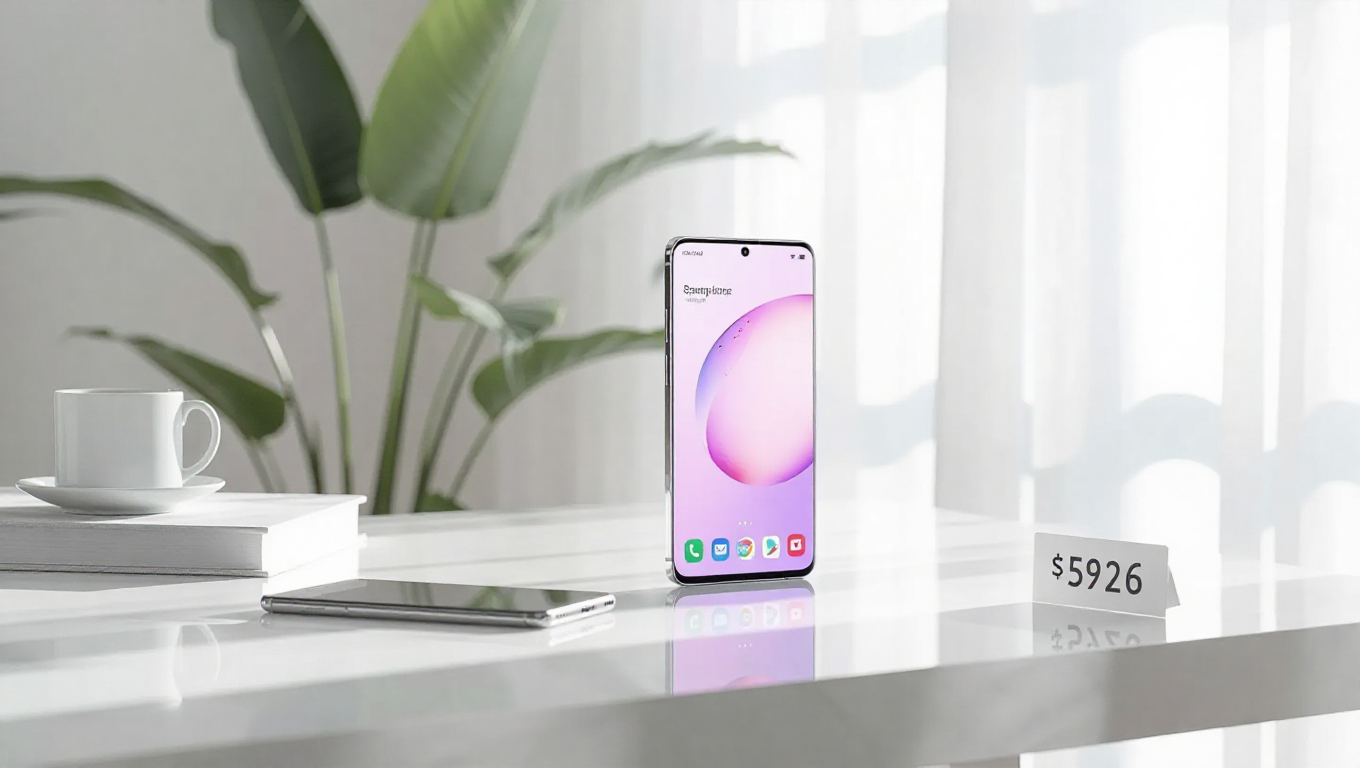
The Galaxy S26 Could Be Over $100 More Expensive in Some Markets
As the launch of Samsung's next flagship smartphone series approaches, new information suggests consumers in certain regions may need to dig deeper into their pockets. The Galaxy S26 series is reportedly facing its first significant price increase in years, with some markets potentially seeing hikes exceeding $100 compared to current models.
Breaking Down the Price Increases
Recent reports from Korean media outlets indicate that Samsung is planning substantial price adjustments for the Galaxy S26 in its domestic market. The base models are expected to see increases of at least $70 compared to their Galaxy S25 predecessors, marking the first major price jump since the Galaxy S23 series launched with relatively stable pricing.
The situation appears more pronounced for higher storage configurations. According to the latest information, the 512GB variants could see price increases of approximately $110 in Korea. This represents a significant departure from Samsung's recent pricing strategy, which has generally maintained or only slightly adjusted prices between generations.
Regional Pricing Strategy
Interestingly, the price increases appear to be region-specific rather than global. While Korean consumers may face these substantial hikes, Samsung is reportedly planning to absorb these additional costs in major international markets like the United States. This strategic approach suggests the company recognizes the importance of maintaining competitive pricing in key markets while adjusting prices where market conditions allow.
The timing of these reports comes as Samsung prepares for the official Galaxy S26 launch, with less than two weeks remaining before the expected unveiling. The leaks have already provided insights into the device's specifications, minimal design changes, and key features, making the pricing information one of the final pieces of the puzzle for potential buyers.
Market Implications
If these reports prove accurate, the pricing strategy could have several implications for Samsung's market position. In regions facing price increases, consumers might reconsider their upgrade cycles or explore alternatives from competing manufacturers. The move also raises questions about whether this represents a new pricing trend for flagship smartphones or a temporary adjustment specific to the Galaxy S26 series.
The decision to implement significant price increases in some markets while absorbing costs in others reflects the complex balancing act smartphone manufacturers face in today's global market. Factors such as currency fluctuations, local competition, and consumer purchasing power all play roles in determining regional pricing strategies.
Conclusion
As anticipation builds for the Galaxy S26 launch, the potential price increases in certain markets add another layer of consideration for consumers. While Samsung appears committed to maintaining competitive pricing in major markets like the United States, customers in other regions may need to prepare for significantly higher costs. The final pricing strategy will likely become clear at the official launch event, where Samsung will reveal whether these reports accurately reflect their market approach for the next generation of flagship smartphones.
The coming weeks will determine how consumers respond to these potential price adjustments and whether Samsung's regional pricing strategy proves successful in maintaining its market position across different territories.