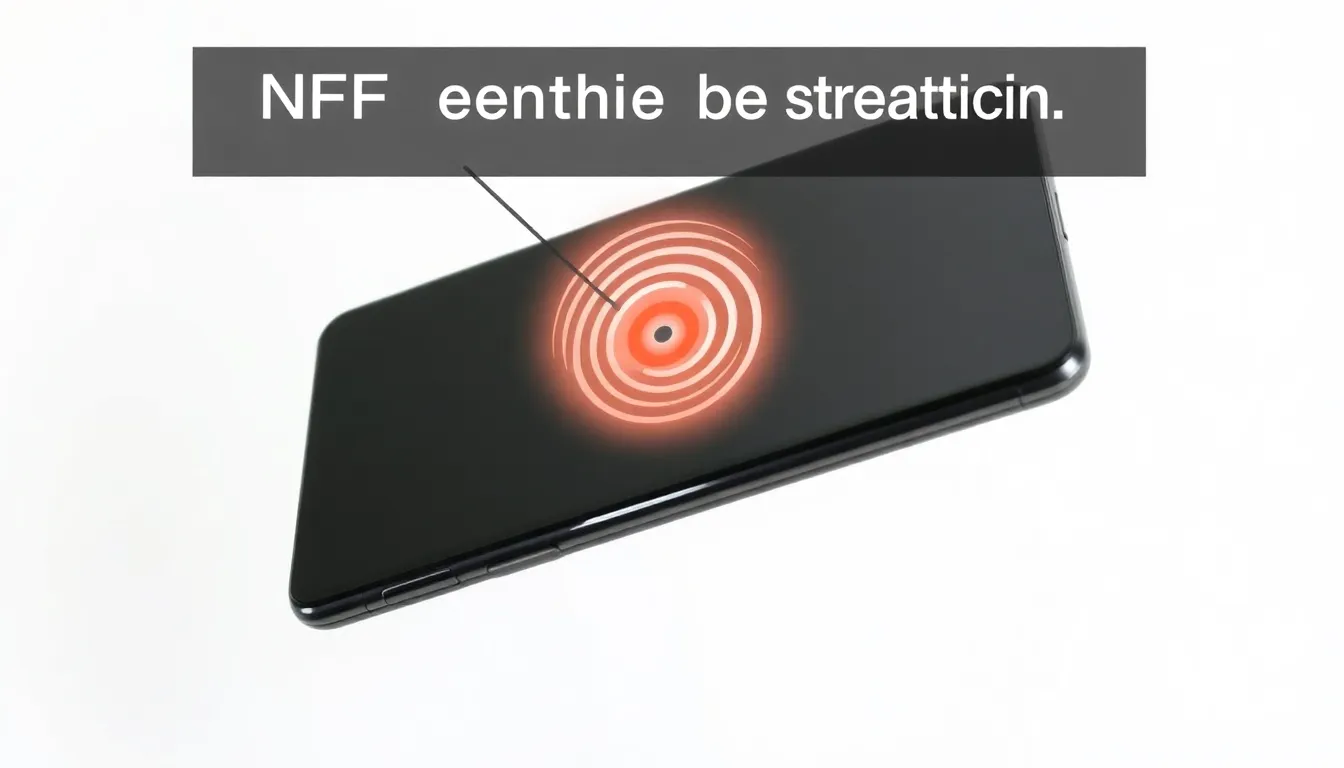
Samsung Galaxy S26 Series Adds Second NFC Antenna for Enhanced Tap-to-Pay
The Samsung Galaxy S26 series, encompassing the standard S26, S26+, and S26 Ultra models, arrives with the expected suite of flagship refinements: a redesigned camera system, performance boosts, and advanced software. However, one of the more subtle yet practical hardware changes involves its connectivity. Reports indicate that Samsung has integrated an additional Near Field Communication (NFC) antenna into the new devices, a move that enhances user convenience for contactless transactions.
A New Location for Contactless Convenience
Traditionally, Samsung's Galaxy smartphones have housed their NFC antenna on the rear of the device, requiring users to tap the back of the phone to a payment terminal. The Galaxy S26 series appears to break from this convention. Evidence from hands-on use suggests a second NFC antenna has been placed near the top edge of the phone. This allows users to successfully initiate tap-to-pay transactions by presenting the top of the device to a reader, not just the back.
This architectural shift offers greater flexibility during transactions. Users are no longer constrained to a specific phone orientation, making the payment process quicker and more intuitive, especially in crowded or awkward settings. The change aligns with firmware hints discovered months prior, which pointed to improvements in the NFC and tap-to-pay experience for the upcoming generation.
Implications Beyond Payments
While the immediate benefit is clearer for contactless payments, the addition of a top-mounted antenna may signal Samsung's broader ambitions for tap-based interactions. There has been speculation that the Galaxy S26 series could support enhanced peer-to-peer features, such as initiating wireless file transfers via Quick Share by tapping the top edges of two compatible phones together. Although this specific functionality has not been widely demonstrated, the hardware foundation is now seemingly in place.
This move reflects a growing industry trend of making core smartphone functionalities more accessible and seamless. By decentralizing the NFC antenna's effective location, Samsung is not just solving a minor ergonomic hurdle but potentially laying the groundwork for a more interconnected and intuitive device ecosystem where simple taps can trigger a variety of actions.
Conclusion
The inclusion of a secondary NFC antenna in the Galaxy S26 series is a thoughtful, user-centric upgrade. It directly addresses a real-world pain point in digital payments by providing multiple, natural points of contact with payment terminals. Furthermore, it opens the door to future software innovations that could leverage this new hardware capability for seamless device-to-device communication. As smartphone differentiation increasingly hinges on such nuanced improvements in daily usability, Samsung's attention to the details of wireless connectivity is a noteworthy step in refining the flagship experience.