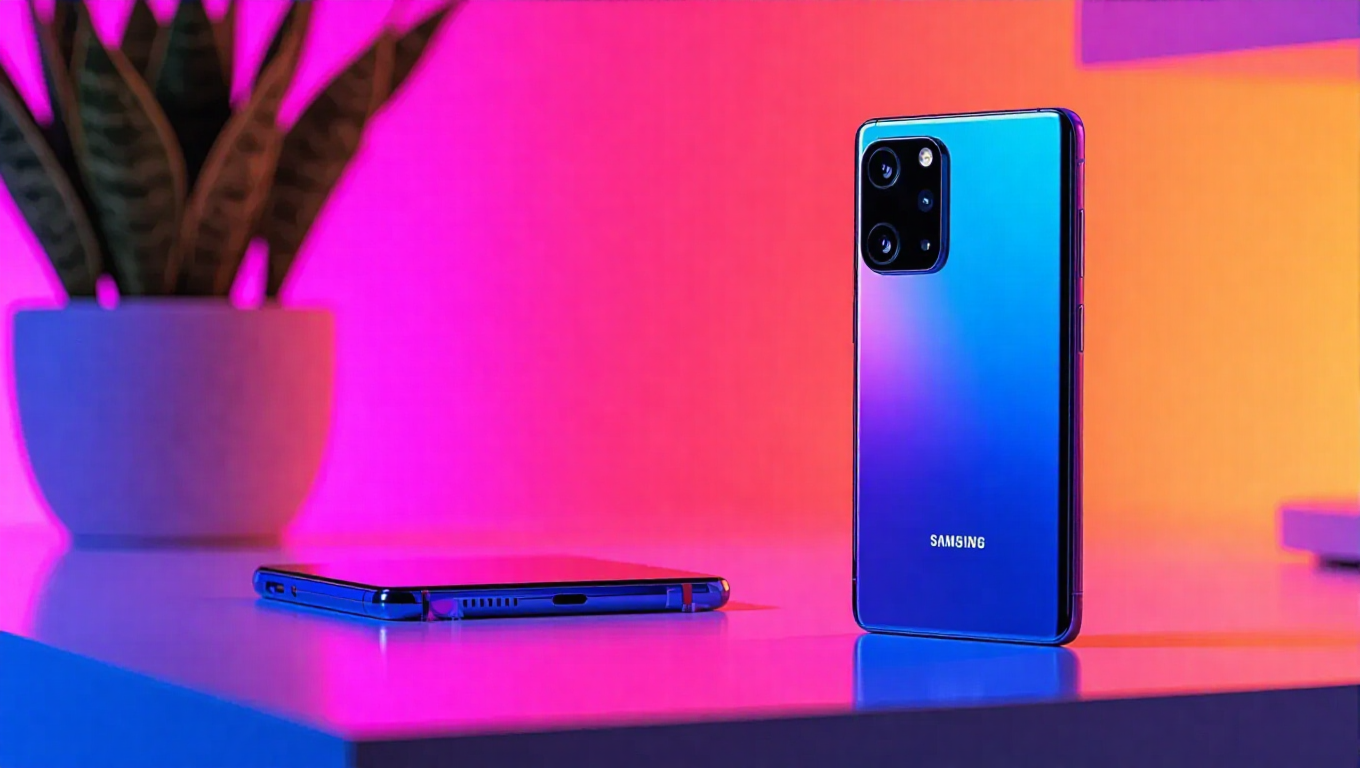
Samsung Galaxy S26 Pricing Strategy: Base Model Up, Ultra Down
Samsung's upcoming Galaxy S26 series is generating buzz not just for its anticipated features, but for a reportedly unconventional pricing strategy. Early information suggests the company is planning to increase the cost of the entry-level model while simultaneously reducing the price of its top-tier Ultra variant. This move creates a more pronounced price gap between the tiers, potentially reshaping consumer choices and market positioning for the flagship lineup.
A Tiered Price Reshuffle
The core of the new pricing structure appears to be a rebalancing act. Reports indicate the standard Galaxy S26 model will see a price increase compared to its predecessor. This shift suggests Samsung may be positioning the base model closer to a premium mid-range or entry-premium segment, possibly by incorporating features previously reserved for higher tiers or adjusting for component costs.
Conversely, the Galaxy S26 Ultra is rumored to receive a price cut. This is a significant departure from the typical yearly price creep for flagship smartphones. The strategy could be aimed at making the Ultra's advanced features—like its sophisticated camera system—more accessible, thereby increasing its sales volume and competitive edge against other premium devices. It may also reflect a calculated move to upsell customers from the now more expensive base model directly to the feature-rich Ultra.
Market Implications and Consumer Confusion
This inverted pricing approach is likely to cause initial confusion among consumers accustomed to linear price increases across a product series. The rationale may lie in a refined segmentation strategy. By raising the base price, Samsung could be solidifying the standard model's value proposition, perhaps bundling more storage or memory as standard. Lowering the Ultra's price, meanwhile, aggressively targets the high-end market, potentially luring buyers who might have considered the Pro or Pro Max models from competitors due to cost.
The success of this strategy hinges on perceived value. If the base Galaxy S26's price hike isn't matched by significant, tangible improvements, it risks alienating budget-conscious flagship buyers. The cheaper Ultra, however, could be a powerful lure if it maintains or enhances its technological lead. This pricing model creates a starker "good versus best" choice, potentially simplifying the lineup but making the entry point to the S26 series more expensive.
Conclusion
Samsung's reported Galaxy S26 pricing marks a bold, if confusing, strategic pivot. Increasing the cost of the base model while cutting the Ultra's price flips the traditional flagship script. This move seems designed to defend the premium segment with a more aggressive Ultra price and redefine the value of the standard model. While it may streamline internal model competition and boost Ultra adoption, it challenges consumer expectations. The market's response will ultimately depend on whether the new price points are justified by the devices' performance, features, and the overall value they deliver compared to the competition.