Samsung Galaxy S26 Plus Battery Capacity Gets Outed, and It’s Not Great News
As anticipation builds for Samsung's next-generation flagship series, new regulatory filings have surfaced, offering a first look at the battery specifications for the upcoming Galaxy S26 Plus. The details, while confirming some expected features, suggest a lack of progress in a key area for power users.
Certification Confirms Stagnant Battery Specs
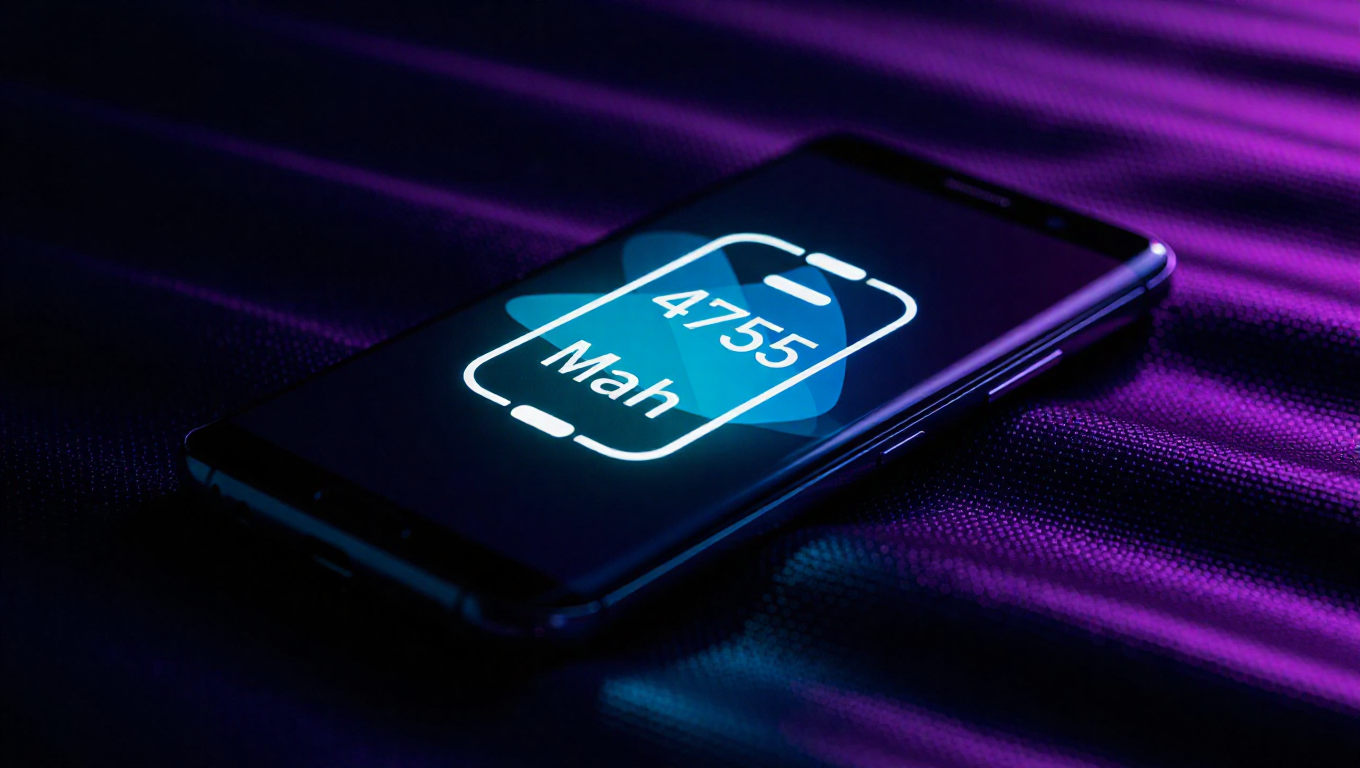
A recent listing on the TUV certification database has been identified as the model for the Galaxy S26 Plus. The filing reveals the device will be equipped with a lithium-ion battery featuring a rated capacity of 4,755 mAh. This figure is identical to the rated capacity found in the current Galaxy S25 Plus. Consequently, the marketed capacity is also expected to remain at 4,900 mAh, mirroring the previous generation's specifications.
In addition to the battery capacity, the certification confirms the wired charging capability for the S26 Plus. The device is listed as supporting 45W charging over a cable, which again matches the maximum charging speed available on the S25 Plus. This dual confirmation indicates that, at least in terms of raw battery hardware and peak charging rates, the new midsize flagship will offer no advancement over the model it is set to replace.
Context and Consumer Expectations
The revelation arrives as the tech industry prepares for the next cycle of flagship smartphone launches. Battery life remains a paramount concern for consumers, often ranking among the top criteria for purchase decisions. In recent years, competitors have made significant strides, both in increasing battery capacities and implementing faster charging technologies.
The decision to maintain the status quo is notable. While efficiency gains from a new chipset and software optimizations could still yield improved battery endurance, the unchanged physical capacity sets a ceiling on potential gains. For users who prioritize all-day battery life or engage in heavy usage, the lack of a capacity bump may be a point of contention, especially if competing devices in the same price bracket offer larger batteries or significantly faster charging solutions.
Looking Beyond the Battery
While the battery news may disappoint some, it is crucial to view this as one component of a larger device. The Galaxy S26 series is rumored to bring advancements in other areas, including camera technology, display quality, and processing power driven by a next-generation chipset. Samsung's strategy may involve balancing component upgrades across different subsystems, with the battery being an area where incremental, efficiency-based improvements are favored over a hardware size increase.
Furthermore, maintaining the same battery and charging specifications could have positive implications for accessory compatibility and sustainability, reducing electronic waste from obsolete chargers. However, in a market where consumers often equate year-over-year spec bumps with meaningful progress, the unchanged numbers are likely to be met with scrutiny.
Conclusion
The certification data for the Samsung Galaxy S26 Plus paints a clear picture: the upcoming device will not feature an upgraded battery or faster wired charging compared to its direct predecessor. This news tempers expectations for a major leap in battery performance, shifting the focus to how software and silicon efficiency will leverage the existing hardware. As the official launch approaches, potential buyers will be watching closely to see if these efficiency gains are substantial enough to offset the lack of a capacity increase, or if this represents a missed opportunity in an increasingly competitive smartphone landscape.