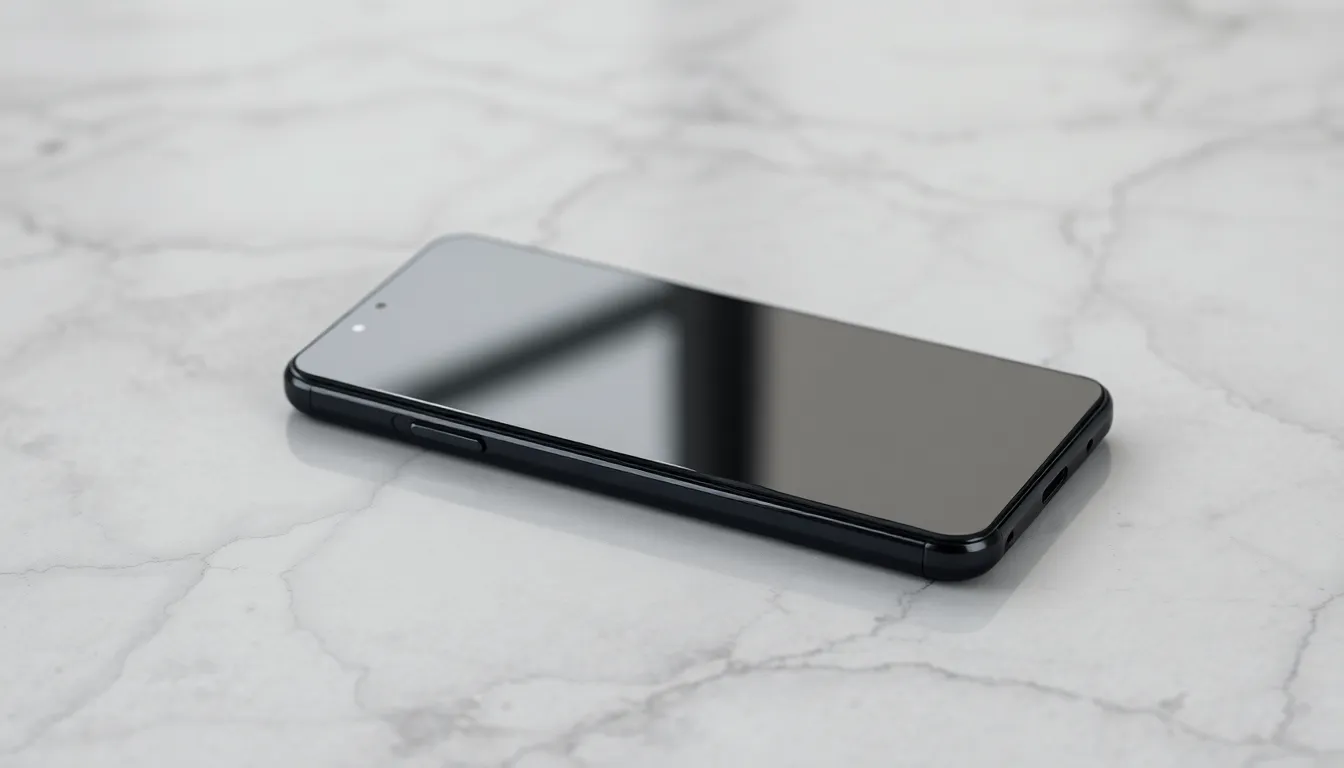
Samsung Galaxy S26 Plus: A Premium Smartphone Struggling to Define Its Role
Samsung's 2026 flagship smartphone lineup has arrived, featuring the familiar trio: the Galaxy S26, S26 Plus, and S26 Ultra. While the base and Ultra models follow expected upgrade paths, the middle child, the Galaxy S26 Plus, finds itself in a precarious position. Priced at a premium $1,100, the device is criticized for suffering from a severe identity crisis, making it a difficult recommendation for most consumers.
An Iterative Design in a Crowded Field
The Galaxy S26 Plus lands with an exterior nearly identical to its predecessor and other recent models. This lack of visual distinction underscores a broader issue: the Plus model often feels like an afterthought in Samsung's strategy. The most significant design and feature upgrades are reserved for the S26 Ultra, which now sports a more cohesive family look alongside exclusive additions like enhanced privacy features and the integrated S Pen.
In contrast, the S26 Plus is described as existing in an "off-liminal space." It is not the most affordable or compact option—those appeals belong to the base S26. Conversely, it does not offer the top-tier camera system, largest display, or unique tools of the Ultra. Its primary differentiators from the standard model are a larger 6.7-inch Dynamic LTPO AMOLED 2X display and a slightly bigger 4,900mAh battery, justifying its higher price tag but failing to carve out a compelling niche.
Specifications and Performance: A Predictable Bump
Under the hood, the S26 Plus receives the expected annual spec update. The device is powered by the latest chipset, either the Qualcomm Snapdragon 8 Elite Gen 5 in the US and China or the Exynos 2600 in other regions. It runs Android 16 with One UI 8.5 and promises up to seven major Android upgrades.
- Display: 6.7", 1440x3120px, 120Hz, 2600 nits peak
- Chipset: Snapdragon 8 Elite Gen 5 / Exynos 2600
- Memory: 12GB RAM with 256GB or 512GB storage (UFS 4.X)
- Rear Camera: 50MP main, 10MP 3x telephoto, 12MP ultrawide
- Battery: 4,900mAh with 45W wired and 20W wireless charging
- Durability: IP68 rating, Armor Aluminum 2 frame
While these are flagship-level components, they represent only incremental improvements over the previous generation. The camera system, for instance, remains largely unchanged, and the overall performance uplift is typical of a yearly cycle rather than a generational leap. This reinforces the perception that the Plus model is merely a larger version of the base S26 with a proportionally larger price, rather than a distinct product with unique selling points.
The Market Reality and Consumer Choice
The S26 Plus's ambiguous positioning has tangible consequences. Analysis suggests it consistently achieves the lowest sales figures within the flagship trio. For consumers, the choice often becomes binary: opt for the value-oriented base S26 or stretch the budget for the fully-featured S26 Ultra. The Plus model, asking a significant premium for mostly size-related benefits, struggles to justify its existence in this context.
This dynamic has led to speculation about the model's future. Past rumors have suggested Samsung might eventually replace the Plus tier with a new "Pro" model that could offer a more distinct feature set. In its current form, the S26 Plus is seen as redundant, and most buyers are advised to look past it when making a purchasing decision.
Conclusion: A Phone in Search of a Purpose
The Samsung Galaxy S26 Plus is a technically competent smartphone built with premium materials. However, it is hamstrung by its place in the lineup. At $1,100, it fails to offer a compelling reason to choose it over the more affordable base model or the comprehensively equipped Ultra. Its identity crisis—being neither the best value nor the best device—renders it a difficult sell. Until Samsung redefines the role of its mid-tier flagship, the Plus model risks remaining an afterthought for all but a narrow segment of users who prioritize screen size above all else within the S-series ecosystem.