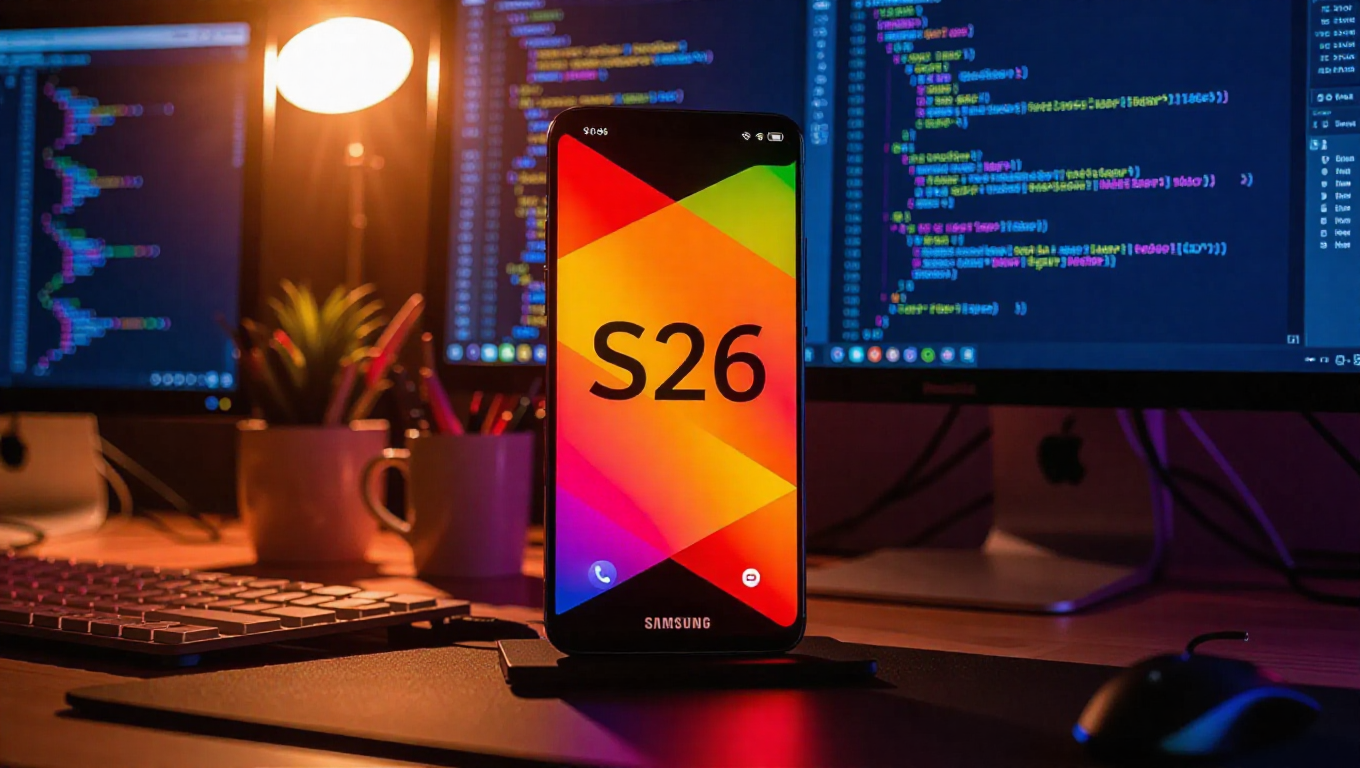
Samsung Galaxy S26 Leaked in Unlikely Google Bug Tracker Last Year
In the world of smartphone leaks, most revelations come from regulatory filings, supply chain sources, or anonymous tipsters. However, one of the most surprising Galaxy S26 leaks emerged from an entirely different source: Google's public bug tracking system.
The Accidental Disclosure
Last October, months before Samsung's expected Galaxy S26 announcement, a Samsung employee filed a technical bug report through Google's Chromium Issue Tracker. This public platform, typically used by developers to report browser-related issues, became the unlikely stage for revealing Samsung's next flagship smartphone.
The employee was reporting a specific technical problem but included a video demonstration showing the issue occurring on a test device. Within the report's details, the hardware was explicitly identified as "S26," providing clear confirmation of the upcoming model name long before any official acknowledgment from Samsung.
Timing and Context
This leak occurred during a period when the Galaxy S26 was still largely speculative in the rumor mill. While industry analysts and enthusiasts had been discussing potential features and specifications, concrete evidence about the device's existence and naming remained scarce. The bug report provided one of the earliest verifiable confirmations that Samsung was indeed developing a device with the S26 designation.
The timing is particularly notable because it happened well before Samsung's typical announcement cycle. With flagship smartphones often undergoing extensive testing and development for months or even years before launch, this early confirmation gave insight into Samsung's internal testing processes and timeline.
Implications for Tech Leaks
This incident highlights how modern technology development creates multiple potential points for accidental information disclosure. As companies increasingly rely on interconnected platforms and collaborative tools for development and testing, the boundaries between internal and external communication can sometimes blur.
The Google Chromium Issue Tracker is a public forum designed for transparency in software development, but this case demonstrates how such platforms can inadvertently become sources for hardware leaks. It raises questions about how companies manage their testing processes while maintaining confidentiality about upcoming products.
Conclusion
The Galaxy S26 leak through Google's bug tracking system represents one of the more unusual paths for smartphone information to reach the public. Unlike deliberate leaks or regulatory filings, this was an accidental disclosure through a platform designed for technical collaboration rather than product announcements.
As smartphone development becomes increasingly complex and interconnected across different platforms and companies, such unconventional leaks may become more common. This incident serves as a reminder that in today's connected development environment, even routine technical reporting can sometimes reveal more than intended about upcoming products.
While the leak provided early confirmation of the S26 model name, it also demonstrated how modern technology development creates new challenges for maintaining product secrecy until official announcements.