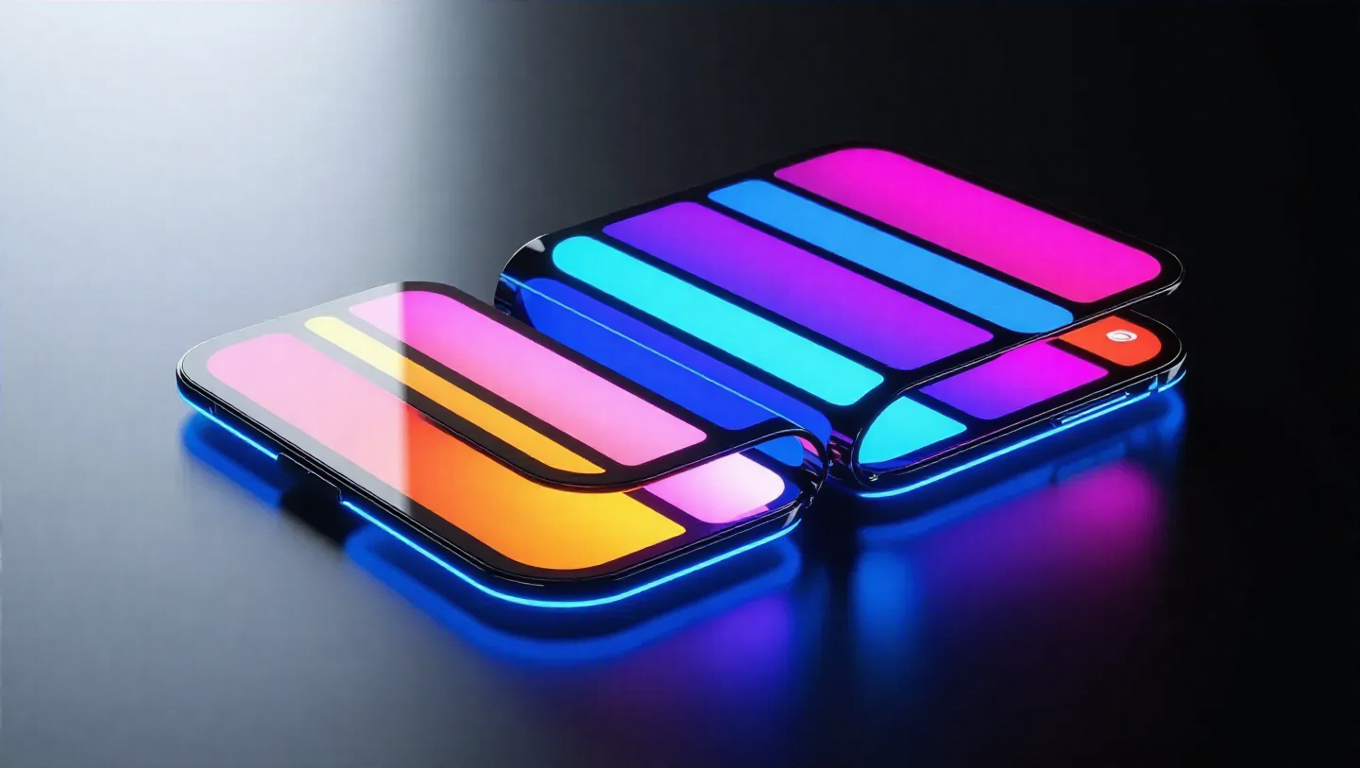
Samsung Galaxy S26 Edge and TriFold 2 Successors in Doubt
The future of two of Samsung's most innovative smartphone designs appears uncertain, with indications that the company may not release direct successors to the Galaxy S25 Edge and Galaxy Z TriFold models. Recent reports suggest Samsung is reevaluating both product lines based on market performance and technical challenges.
Market Realities Shape Product Strategy
The Galaxy S25 Edge, while featuring an innovative curved display design, reportedly failed to achieve the sales momentum Samsung had anticipated. The device's premium positioning and specialized form factor appear to have limited its mainstream appeal, leading to questions about whether the Edge branding will continue beyond the current generation.
Meanwhile, the Galaxy Z TriFold faced different but equally significant challenges. The triple-folding device, while technologically impressive, encountered substantial engineering complexity that impacted both production costs and device reliability. Consumer response to the TriFold's unique form factor has been mixed, with some users finding the additional folding mechanism more cumbersome than practical for everyday use.
Focus Shifts to Core Folding Technology
Despite uncertainty around these specific models, Samsung's commitment to folding technology remains strong. The company continues to invest heavily in single-folding devices, with development reportedly progressing on a wider Galaxy Fold model that addresses previous user feedback about screen dimensions and usability.
This strategic focus suggests Samsung is prioritizing refinement of existing successful form factors rather than pursuing every possible variation. The decision reflects a maturing market where consumers appear to prefer evolutionary improvements to established designs over radically new form factors that may sacrifice practicality for innovation.
Broader Industry Implications
The potential discontinuation of these models signals a broader industry trend toward consolidation in the folding phone market. After several years of experimentation with various form factors, manufacturers appear to be focusing on designs that balance innovation with mass-market appeal and reliable performance.
This development doesn't necessarily mean the end of edge displays or multi-folding devices, but it does suggest that future iterations would need to demonstrate clearer consumer benefits and more robust engineering solutions before receiving continued investment.
Conclusion
While Samsung hasn't made official announcements regarding the Galaxy S26 Edge or TriFold 2, available information suggests both models face uncertain futures. The company appears to be taking a more measured approach to product development, focusing resources on refining successful existing designs rather than pursuing every possible technological variation. For consumers interested in edge displays or multi-folding devices, this may mean longer waits or different approaches from Samsung in the coming years.
The smartphone market continues to evolve, with manufacturers balancing innovation against practical considerations of cost, reliability, and consumer demand. Samsung's apparent reassessment of these specific models reflects this ongoing industry recalibration as folding technology matures beyond its experimental phase.