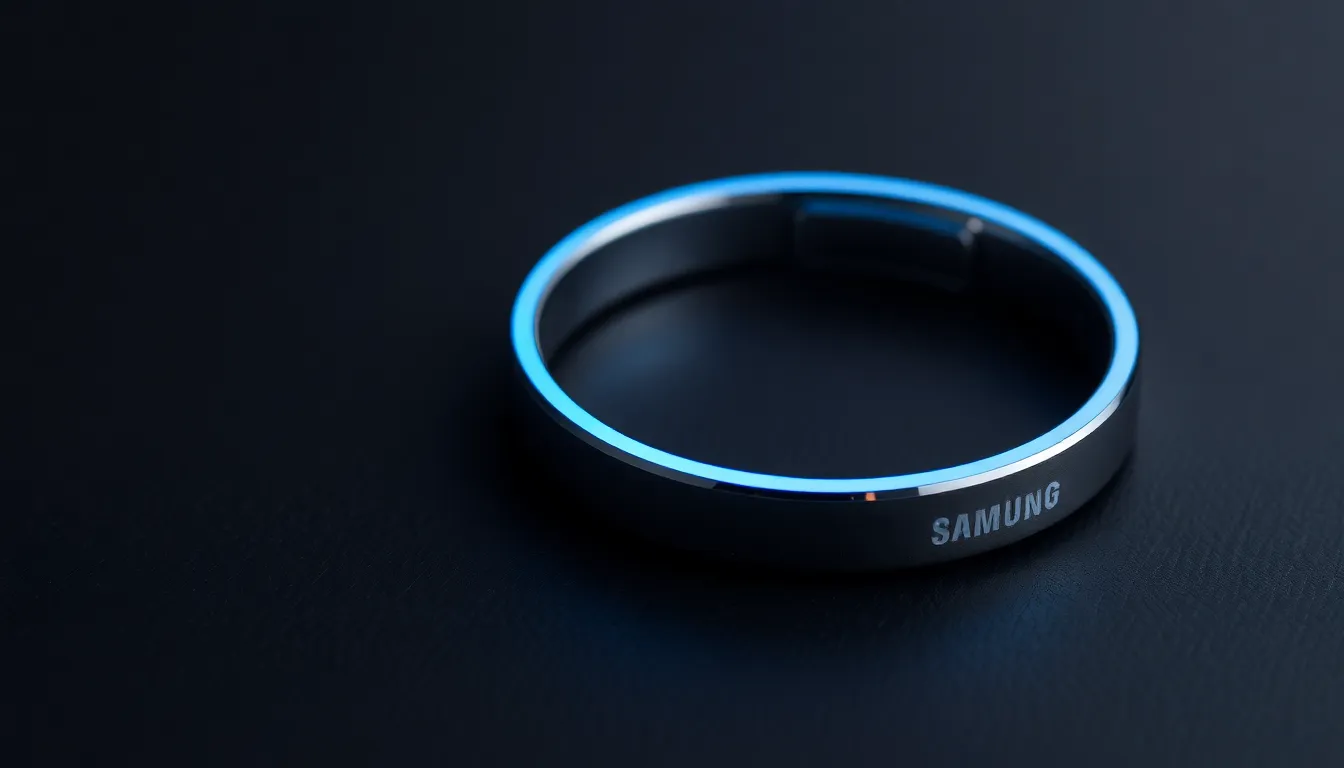
Samsung Galaxy Ring Update Targets Battery Stability Improvements
Samsung has begun deploying a firmware update for its Galaxy Ring smart wearable that directly addresses one of the device's most discussed aspects since launch: battery performance. The update represents the company's response to user feedback regarding battery stability.
Update Details and Rollout
The new firmware, identified as version Q50XWWU2AYK3, is notably compact at approximately 0.66MB. Its primary focus is improving battery stability, suggesting optimizations to how the ring manages power consumption during operation. The rollout appears to be following a regional deployment strategy, with initial availability reported in certain markets before expanding globally.
Addressing User Experience
Since its debut, the Galaxy Ring has received positive recognition for its comfortable design and seamless integration within the Samsung ecosystem, particularly when paired with Galaxy phones and watches. However, battery behavior emerged as a consistent point of discussion among early adopters. Some users noted instances where the ring's charge percentage would deplete more rapidly than anticipated during regular use, creating inconsistencies in the daily charging routine expected from a wearable device.
This firmware update appears to be Samsung's targeted response to these observations. By focusing specifically on "battery stability," the update likely includes under-the-hood adjustments to power management algorithms, sensor polling routines, or background processes that collectively influence how efficiently the ring utilizes its battery capacity.
Context and Expectations
For a device category where form factor severely limits physical battery size, software optimization becomes critically important for achieving acceptable battery life. Smart rings, by their nature, must balance continuous health and activity tracking with the need for multi-day endurance. Updates that refine this balance are common in the early lifecycle of wearable devices as manufacturers gather real-world usage data.
Users installing the update should monitor their ring's battery performance over several charge cycles to assess improvements. Battery optimization updates often require the device to recalibrate its power reporting, meaning initial observations might vary before stabilizing.
Conclusion
Samsung's latest Galaxy Ring firmware demonstrates the company's ongoing commitment to refining the user experience post-launch. By directly addressing battery stability concerns raised by early adopters, this update aims to enhance one of the fundamental aspects of wearable technology: reliable battery performance. As the rollout continues, it will be important to observe how these software improvements translate to real-world usage satisfaction for Galaxy Ring owners seeking consistent, predictable battery life from their compact wearable device.