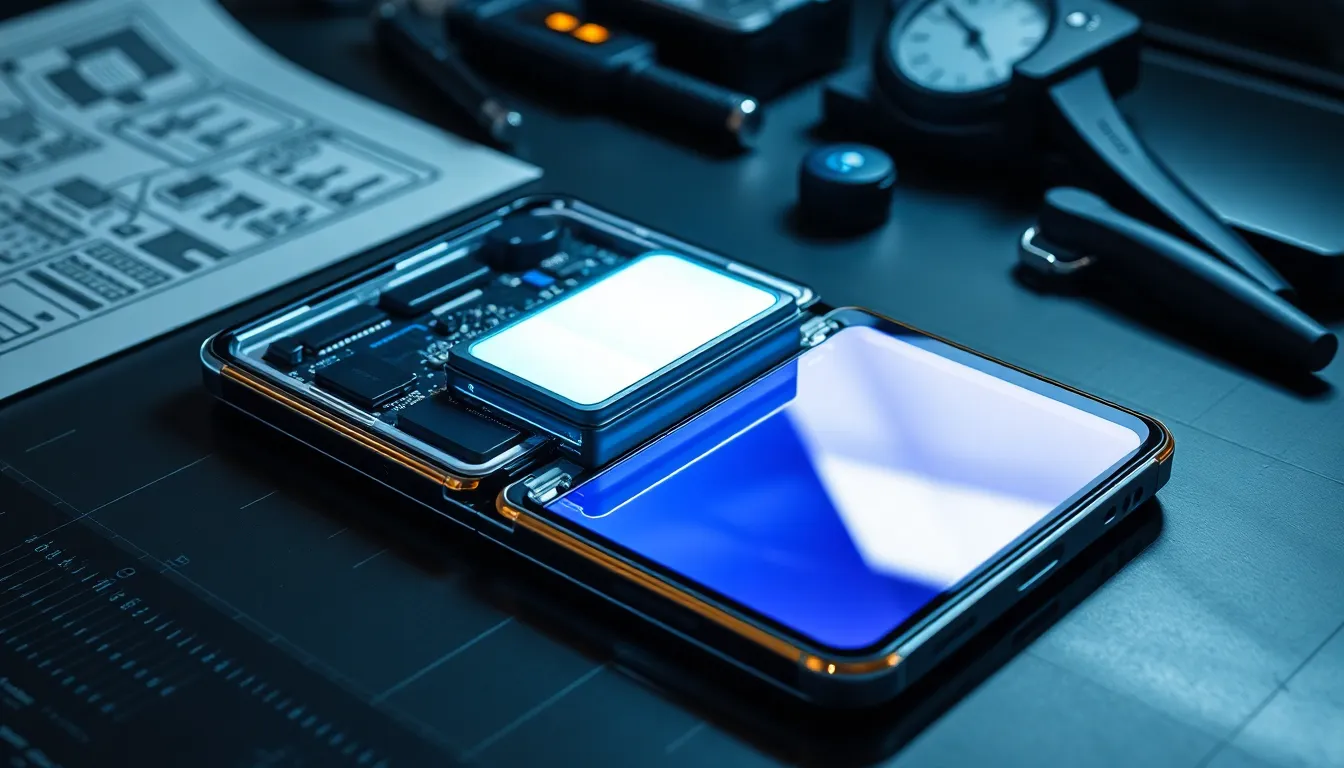
Samsung Galaxy Phones Could Have Significantly Larger Batteries, Video Shows
While smartphone batteries across the industry have seen consistent growth in capacity, Samsung's flagship Galaxy Ultra series has maintained the same battery size for six consecutive generations. This longstanding plateau has now been directly challenged by a demonstration showing that Samsung's own foldable hardware can accommodate a battery twice its original size.
Demonstration Highlights Untapped Potential
The core of the revelation is a hands-on project involving a Samsung Galaxy Z TriFold. The project successfully modified the device to house a battery with double the capacity of the unit it shipped with. This modification was achieved without altering the fundamental external dimensions or form factor of the phone, indicating that the physical space for a larger power cell was already present within the original design.
This finding is particularly significant for the standard Galaxy Ultra line. Reports indicate that these devices have used batteries of identical capacity since 2020, even as competitors and other Samsung phone series have increased their battery specs. The demonstration with the TriFold suggests that engineering constraints may not be the primary factor limiting battery size in Samsung's top-tier phones, but rather design or product segmentation choices.
Implications for Future Galaxy Devices
The successful battery swap raises immediate questions about Samsung's design philosophy. If a complex foldable device can be retrofitted with a much larger battery, it implies that similar internal space could be utilized in more traditional slate-style phones. Consumers have long prioritized battery life, and this demonstration shows a clear path to addressing that demand without necessarily making phones thicker or heavier.
Analysts note that battery technology and power management have improved, but the physical size of the battery remains a key determinant of overall endurance. The video evidence underscores that the potential for larger batteries in Samsung's flagship ecosystem has existed for some time. This could influence future product cycles, as consumer awareness of this untapped potential may increase pressure on Samsung to finally break the battery capacity stalemate in its next generation of devices.
Conclusion
The demonstration proving that a Samsung Galaxy Z TriFold can hold a battery with double its original capacity serves as a powerful case study. It highlights that the barrier to significantly better battery life in Samsung's premium phones may not be technical impossibility, but prior design decisions. As the smartphone market continues to evolve, this revelation could mark a turning point, pushing for more substantial year-over-year improvements in battery capacity—a feature consistently ranked high on user wish lists.