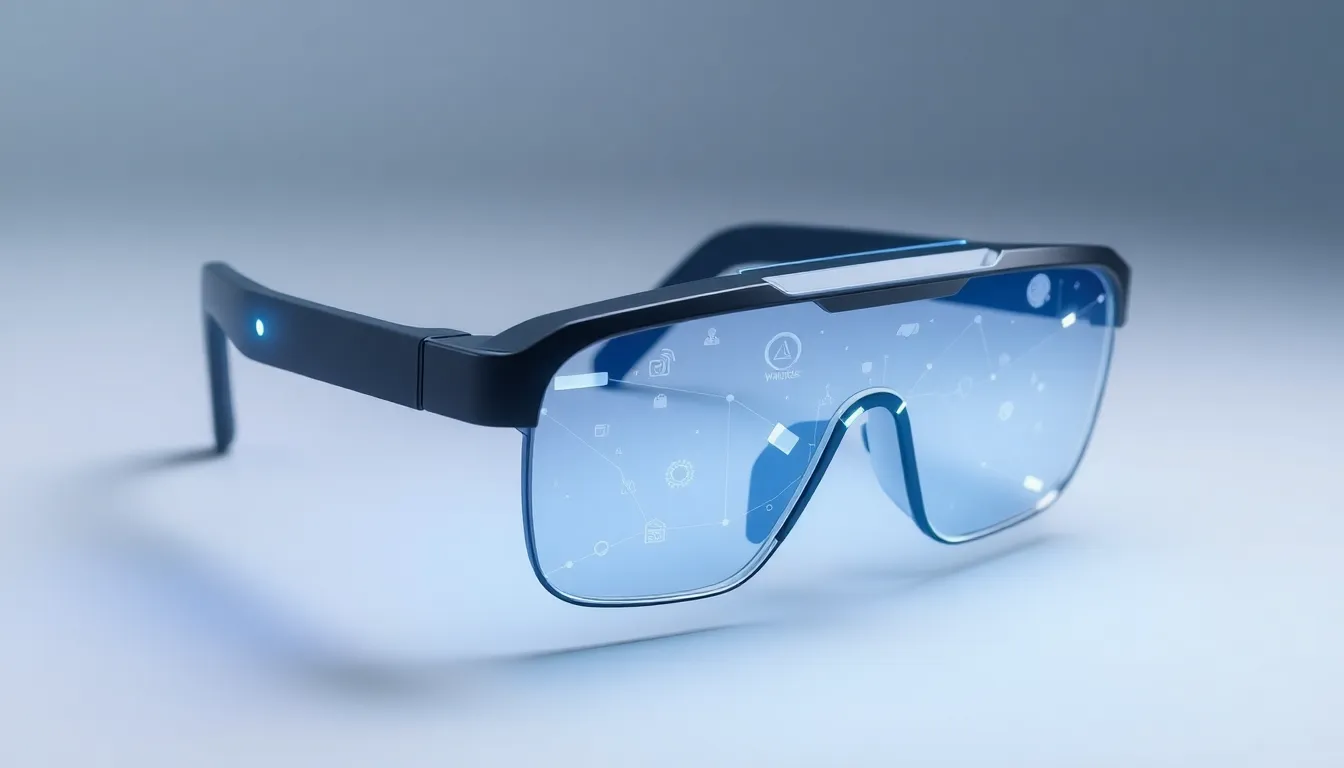
Samsung Galaxy Glasses: New Details Revealed About AI-Powered Smart Glasses
At Mobile World Congress in Barcelona, Samsung provided fresh insights into its highly anticipated Galaxy Glasses, offering a clearer picture of what consumers can expect from the tech giant's entry into the smart glasses market. The revelations come as competition in the augmented reality and AI wearable space intensifies.
Eye-Level Camera and AI Integration
The Galaxy Glasses will feature a camera mounted at eye level, positioning it to capture exactly what the wearer sees. This strategic placement enables the device to serve as a visual input system for artificial intelligence processing. The glasses are designed to connect seamlessly with smartphones, creating a symbiotic relationship where visual data captured by the glasses is processed by the phone's AI capabilities.
This approach suggests Samsung is focusing on creating an AI assistant that can understand and interpret the user's visual environment. The system would analyze what the wearer is looking at and provide relevant information through audio feedback or potentially through connected devices. This represents a significant shift from traditional smart glasses that often prioritize visual displays over contextual AI understanding.
Display Strategy and Market Positioning
While Samsung executives declined to explicitly confirm whether the Galaxy Glasses will include a display, their comments strongly suggest a display-less design. Company representatives noted that users already have access to displays through smartphones and smartwatches, implying the glasses will serve a complementary rather than replacement function in Samsung's ecosystem.
This positioning places the Galaxy Glasses in direct competition with products like Meta's Ray-Ban smart glasses, which similarly focus on audio and camera features rather than augmented reality displays. The approach suggests Samsung is targeting a broader consumer market with practical, everyday wearable technology rather than creating specialized AR glasses for specific use cases.
Launch Timeline and Industry Context
Samsung indicated the Galaxy Glasses could launch as early as this year, though specific timing remains unconfirmed. The announcement comes amid growing industry enthusiasm for smart glasses as the next frontier for AI integration. Industry leaders have expressed optimism about glasses as ideal platforms for AI agents, given their proximity to users' eyes, ears, and mouth—creating natural interfaces for visual, auditory, and voice interactions.
The smart glasses market is becoming increasingly crowded, with multiple tech companies exploring similar products. Samsung's approach appears to prioritize practical AI assistance over flashy AR displays, potentially appealing to consumers seeking useful everyday functionality rather than experimental technology.
Conclusion
Samsung's latest revelations about the Galaxy Glasses paint a picture of a practical, AI-focused wearable designed to complement existing devices rather than replace them. With its eye-level camera and smartphone integration, the glasses aim to create a seamless AI assistant that understands and responds to the user's visual environment. As the smart glasses market continues to evolve, Samsung's entry represents a significant step toward making AI-powered wearable technology more accessible and integrated into daily life. The coming months will reveal whether this approach resonates with consumers seeking more natural interactions with artificial intelligence.