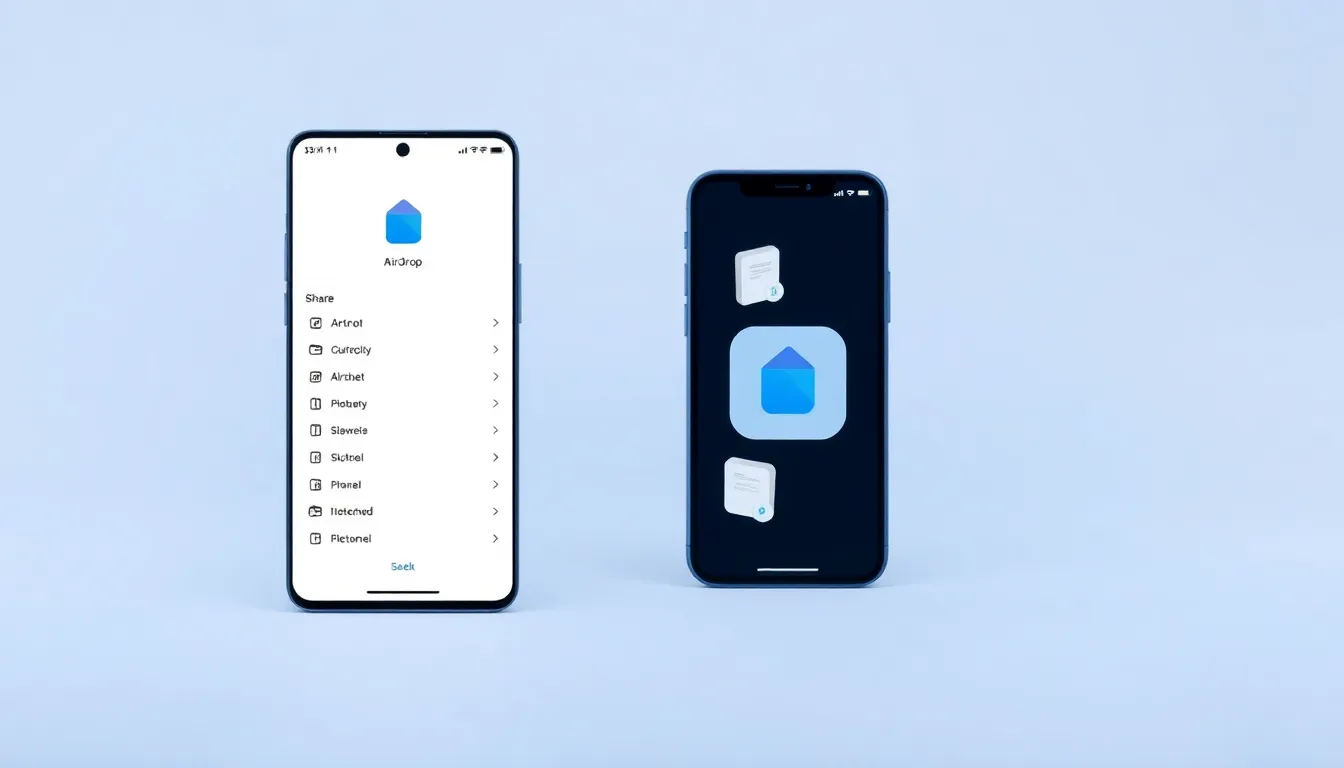
Samsung Galaxy Devices Gaining AirDrop Support via Quick Share
Samsung has made a significant announcement that bridges the gap between Android and Apple ecosystems. The company confirmed that its Quick Share feature will officially support AirDrop transfers, allowing Galaxy device users to wirelessly share files with iPhones, iPads, and Macs. This development marks a major step toward seamless cross-platform connectivity.
Initial Rollout and Device Compatibility
The AirDrop support will first become available on the Galaxy S26, Galaxy S26+, and Galaxy S26 Ultra. These devices will receive the feature through a software update starting March 23, 2026, with initial availability in South Korea before expanding to other regions including Europe, Japan, North America, and Southeast Asia.
While Samsung has not provided a comprehensive list of older devices that will gain this functionality, indications suggest that compatible Galaxy phones and tablets will receive AirDrop support through the stable One UI 8.5 update. The feature is expected to expand to additional Galaxy devices over time, though the company has not shared a detailed rollout timeline.
Cross-Platform Integration and Industry Context
This announcement positions Samsung as the second Android device manufacturer to offer native AirDrop support, following Google's implementation on Pixel devices. The integration represents a broader industry trend toward improved interoperability between competing platforms, potentially benefiting millions of users who regularly share content across different ecosystems.
The feature will enable Galaxy users to effortlessly transfer files, photos, and other content to Apple devices without relying on third-party applications or cloud services. This direct wireless sharing capability addresses a long-standing limitation in cross-platform file transfers and could significantly enhance user convenience in mixed-device environments.
Technical Implementation and Future Prospects
AirDrop support will be integrated directly into the existing Quick Share functionality, maintaining Samsung's familiar interface while adding compatibility with Apple's proprietary sharing protocol. The implementation suggests careful engineering to ensure secure and reliable transfers between the different operating systems.
As the feature rolls out, it will be interesting to observe how it impacts user behavior and whether it prompts further collaboration between major technology companies on cross-platform standards. The move could potentially influence other Android manufacturers to pursue similar integrations, ultimately benefiting consumers through greater device interoperability.
Conclusion
Samsung's introduction of AirDrop support via Quick Share represents a practical solution to a common user challenge. By enabling direct file transfers between Galaxy and Apple devices, the company is removing barriers that have long existed between these popular platforms. While the initial rollout focuses on the latest flagship models, the planned expansion to older devices suggests Samsung's commitment to enhancing connectivity across its product ecosystem. This development not only improves the user experience for current Galaxy owners but also strengthens the value proposition for potential customers considering cross-platform compatibility.