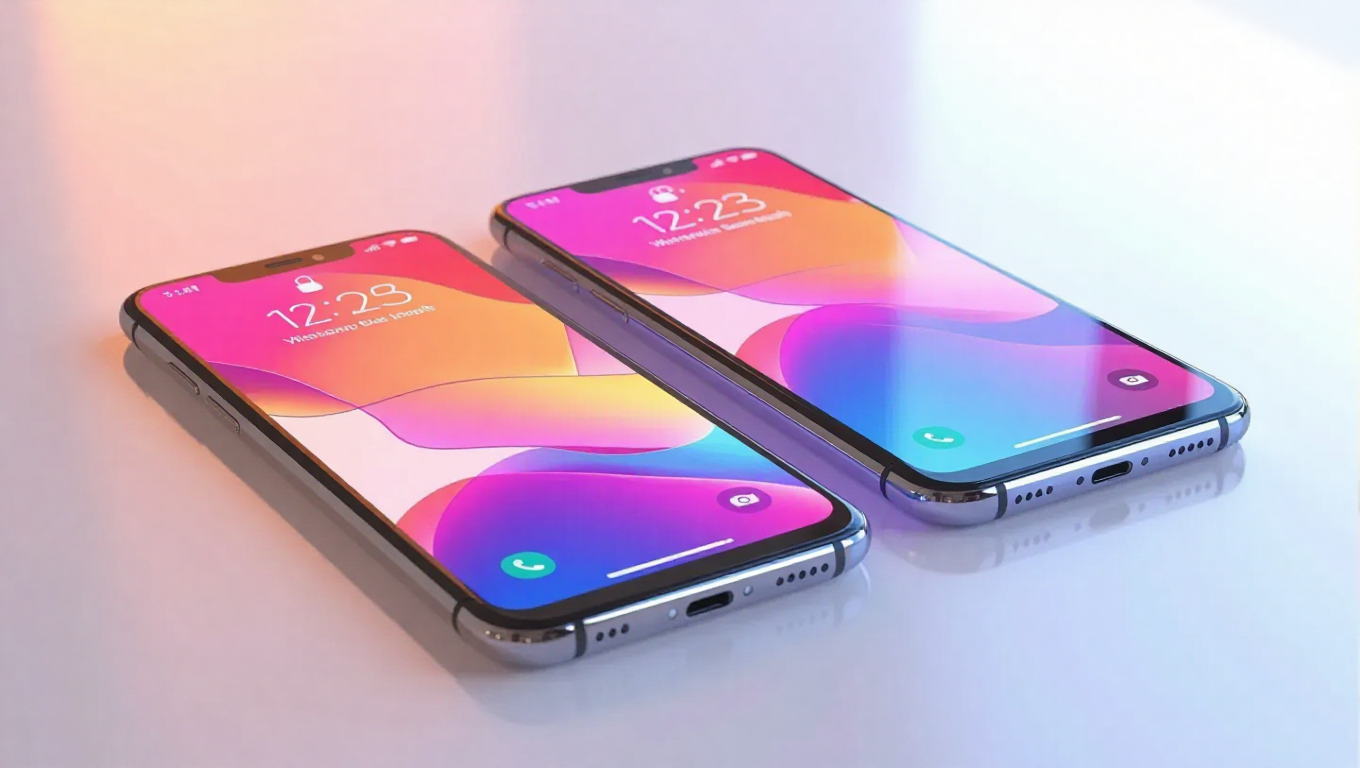
Samsung Galaxy A37 and A57 Gain Major Battery Life and Durability Upgrades
Following the launch of its latest flagship series, Samsung appears to be turning its attention to the mid-range segment. Recent regulatory filings in Europe have revealed promising details about two upcoming smartphones: the Galaxy A37 and Galaxy A57. The new models are poised to deliver substantial improvements in battery endurance and durability compared to their predecessors.
Enhanced Battery Performance and Durability Ratings
EU ENERGY label listings for both devices have surfaced in the EPREL database, providing concrete specifications. The Galaxy A37 (model SM-A376B/DS) has received an A rating for battery life, with the listing indicating it can last up to 53 hours on a single charge. Its battery is rated to withstand 1,200 charge cycles before requiring replacement. The device earned a B rating for drop resistance and a C rating for repairability.
The Galaxy A57 (model SM-A576B/DS) similarly achieved an A rating for battery life, offering up to 52 hours of usage per charge. Its battery also carries a 1,200-cycle rating. Notably, the A57 received an A rating for drop resistance, though it shares the C rating for repairability with its sibling.
Significant Improvements Over Previous Generation
Both phones will feature an IP68 rating for dust and water resistance, marking an upgrade from the Galaxy A36 and A56 launched in early 2025. This enhanced protection against environmental elements represents a meaningful advancement for Samsung's mid-range lineup.
The battery life improvements are particularly striking when compared to previous models. The Galaxy A36 offered up to 41 hours of battery life with a Class C energy efficiency rating, while the Galaxy A56 delivered up to 44 hours with a Class B rating. The new A37 and A57 therefore represent substantial gains in endurance, potentially offering over 20% more battery life than their immediate predecessors.
It's worth noting that while battery life has improved, the new models' batteries are rated for 1,200 charge cycles—lower than the 2,000 cycles listed for the previous generation. However, both phones are expected to support 45W fast charging, which should help mitigate any concerns about long-term battery health through convenient rapid top-ups.
Broader Implications for Mid-Range Market
These upgrades position the Galaxy A37 and A57 as potentially compelling options in the competitive mid-range smartphone segment. The combination of extended battery life and improved durability addresses two common consumer pain points, particularly for users who prioritize reliability and all-day usage without frequent charging.
The enhanced specifications suggest Samsung is continuing to elevate its A-series offerings, bringing features traditionally associated with higher-end devices to more accessible price points. This strategy aligns with broader industry trends where manufacturers are increasingly incorporating premium features into mid-range models to capture value-conscious consumers.
Conclusion
The upcoming Galaxy A37 and A57 appear poised to deliver meaningful improvements over their predecessors, particularly in the areas of battery life and durability. With up to 53 hours of battery endurance and IP68 protection, these devices could set new standards for what consumers can expect from mid-range smartphones. While full specifications and pricing details await official confirmation, the regulatory filings suggest Samsung is preparing competitive offerings that address key user needs in the evolving smartphone market.