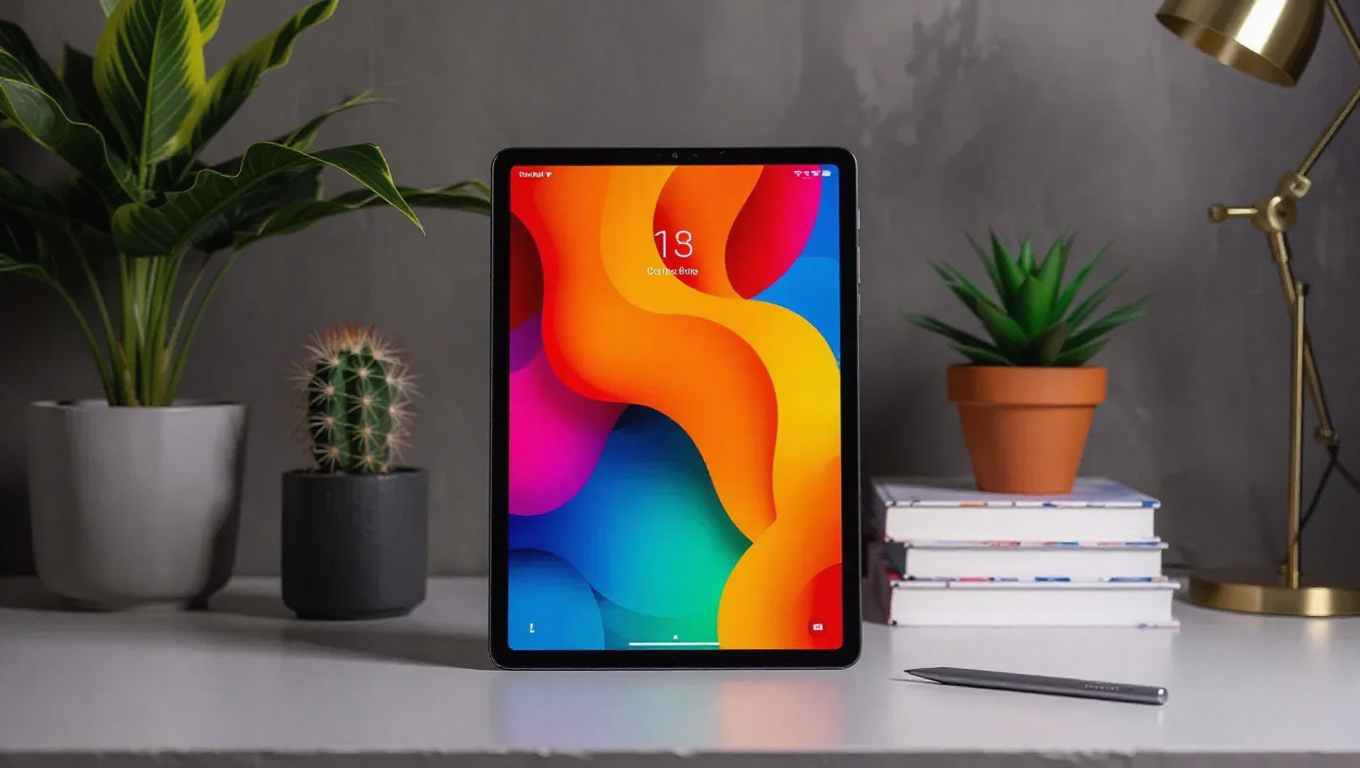
Samsung Expands Galaxy Tab A11+ Availability to Australia and Japan
Samsung has broadened the global reach of its latest mid-range tablet, the Galaxy Tab A11+, with official launches in Australia and Japan. The expansion follows previous releases in European markets and India, bringing the affordable yet feature-rich tablet to consumers in two key Asian-Pacific regions.
Pricing and Availability Details
In Australia, the Galaxy Tab A11+ carries a price tag of AU$379 (approximately $248) and is available in gray through all authorized retail partners. Simultaneously, Samsung introduced a special Kids Edition variant priced at AU$429 (approximately $280), which includes a rugged protective case and matching S Pen stylus. The Kids Edition will be available exclusively through Samsung's official website.
Japanese consumers can purchase the Wi-Fi-only version for JPY 39,600 (approximately $253) through both online and offline authorized retailers. For those requiring cellular connectivity, the 5G variant is available for pre-order at JPY 47,300 (approximately $302), with official sales commencing on December 12. Additionally, Samsung offers the Galaxy Tab A11+ Book Cover accessory in two color options at JPY 5,280 (approximately $34) in the Japanese market.
Hardware Specifications and Features
The Galaxy Tab A11+ positions itself as a compelling mid-range option with specifications that challenge premium expectations. At the heart of the device lies an 11-inch LCD display featuring a 90Hz refresh rate and Full HD+ resolution (1,920 x 1,200 pixels), providing smooth scrolling and vibrant visuals for media consumption and productivity tasks.
Powering the tablet is MediaTek's 4nm Dimensity 7300 processor, paired with either 6GB or 8GB of RAM and storage options of 128GB or 256GB. The storage can be expanded further via microSD card support up to 2TB, ensuring ample space for applications, documents, and media files.
Audio capabilities receive significant attention with a quad-speaker setup enhanced by Dolby Atmos technology, promising immersive sound quality for entertainment purposes. The camera system includes a 5MP front-facing camera for video calls and an 8MP rear camera capable of Full HD video recording at 30fps.
Connectivity and Software Support
Connectivity options include Wi-Fi 5, Bluetooth 5.3, a USB 2.0 Type-C port, and notably, a 3.5mm headphone jack that maintains compatibility with traditional audio accessories. The substantial 7,040mAh battery supports 25W fast wired charging, providing extended usage between power cycles.
On the software front, the Galaxy Tab A11+ ships with Android 16 and Samsung's One UI 8.0 interface. Most impressively, Samsung commits to seven major Android OS updates, ensuring long-term software support that exceeds typical expectations for mid-range devices. The tablet supports Samsung DeX functionality directly on its built-in display, though external display connectivity is not available.
Market Positioning and Consumer Appeal
The expansion into Australia and Japan represents Samsung's strategic effort to capture the mid-range tablet market across diverse geographical regions. The Galaxy Tab A11+ targets consumers seeking a balance between performance and affordability, offering premium features like high refresh rate displays and extended software support at accessible price points.
The introduction of the Kids Edition variant demonstrates Samsung's recognition of the growing educational and family entertainment segments, providing dedicated hardware and accessories tailored for younger users.
Conclusion
Samsung's continued global rollout of the Galaxy Tab A11+ strengthens the company's position in the competitive tablet market. With its combination of modern display technology, capable processing power, extensive software support, and thoughtful feature set, the device presents a compelling option for budget-conscious consumers in Australia and Japan. The expansion underscores Samsung's commitment to making quality tablet experiences accessible across price segments and geographical boundaries, potentially setting new standards for what consumers can expect from mid-range mobile computing devices.