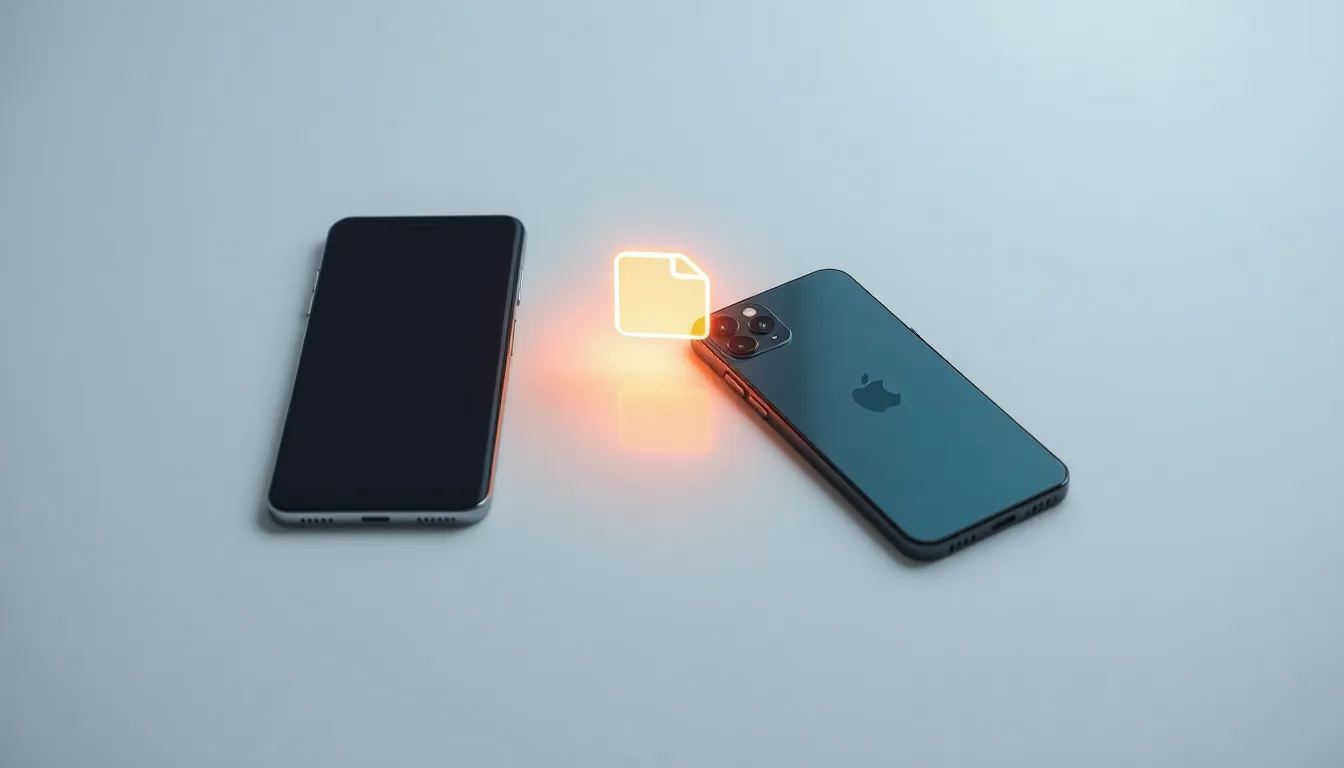
Samsung Expands AirDrop Support to Older Galaxy Phones with Quick Share Update
Samsung is broadening cross-platform file sharing capabilities by extending AirDrop support to several older Galaxy smartphone models through updates to its Quick Share feature. This move follows the initial rollout to the latest Galaxy S26 series and represents a significant step toward more seamless interoperability between Android and Apple ecosystems.
Expanded Device Compatibility
The AirDrop functionality is now being extended to multiple previous-generation Samsung devices, including the Galaxy S22, Galaxy S23, Galaxy S24, Galaxy S25, and Galaxy Z Fold 7. Unlike the full software update approach used for newer models, this expansion is being implemented through targeted updates to the Quick Share application and its supporting modules. This method allows Samsung to deploy the feature more quickly without requiring complete operating system updates for each device.
The updates theoretically enable these Samsung devices to appear in the AirDrop menus of nearby iPhones, iPads, and Macs, while also allowing Samsung users to discover and share files with Apple devices. This represents a notable improvement in cross-platform file transfer convenience, potentially eliminating the need for third-party applications or cloud services for simple file exchanges between these device ecosystems.
Implementation Challenges
Despite the availability of these updates, early user experiences reveal significant implementation issues. Reports indicate that after installing the Quick Share and Quick Share Connectivity updates, user experiences vary considerably. Some users can see the "Share with Apple devices" option in their Quick Share interface, while others cannot access the feature at all.
More concerning are reports from users who can access the feature but find it non-functional. These users report that nearby Apple devices don't appear in their sharing menus, and their Samsung devices don't show up in AirDrop menus on Apple devices either. This suggests that while the user interface elements may be present, the underlying connectivity and discovery mechanisms aren't working properly for all users.
Potential Solutions and Future Outlook
Some users have reported that updating device firmware along with Google Play System and Google Play Services eventually made the AirDrop option appear, though functionality remained inconsistent. This suggests that multiple system components need to be properly aligned for the feature to work correctly.
Evidence suggests Samsung is employing a server-side activation approach in addition to the application updates, which may explain why some users gain access while others don't. This staggered rollout strategy is common for feature deployments but has resulted in a fragmented user experience in this case. The company will likely need to release further updates to Quick Share components or broader software patches to resolve the connectivity issues reported by early adopters.
Conclusion
Samsung's expansion of AirDrop support to older Galaxy devices represents a positive step toward improved cross-platform compatibility. The ability to share files seamlessly between Samsung and Apple devices addresses a long-standing pain point for users invested in both ecosystems. However, the current implementation appears to be in a transitional phase, with functionality varying significantly between users and devices.
While the feature promises greater convenience once fully operational, users of affected devices should temper expectations regarding immediate functionality. Samsung will need to address the reported connectivity issues through additional updates before this cross-platform sharing capability becomes reliably available across all supported devices. The situation highlights the technical challenges involved in creating seamless interoperability between competing mobile platforms with different underlying architectures and security models.