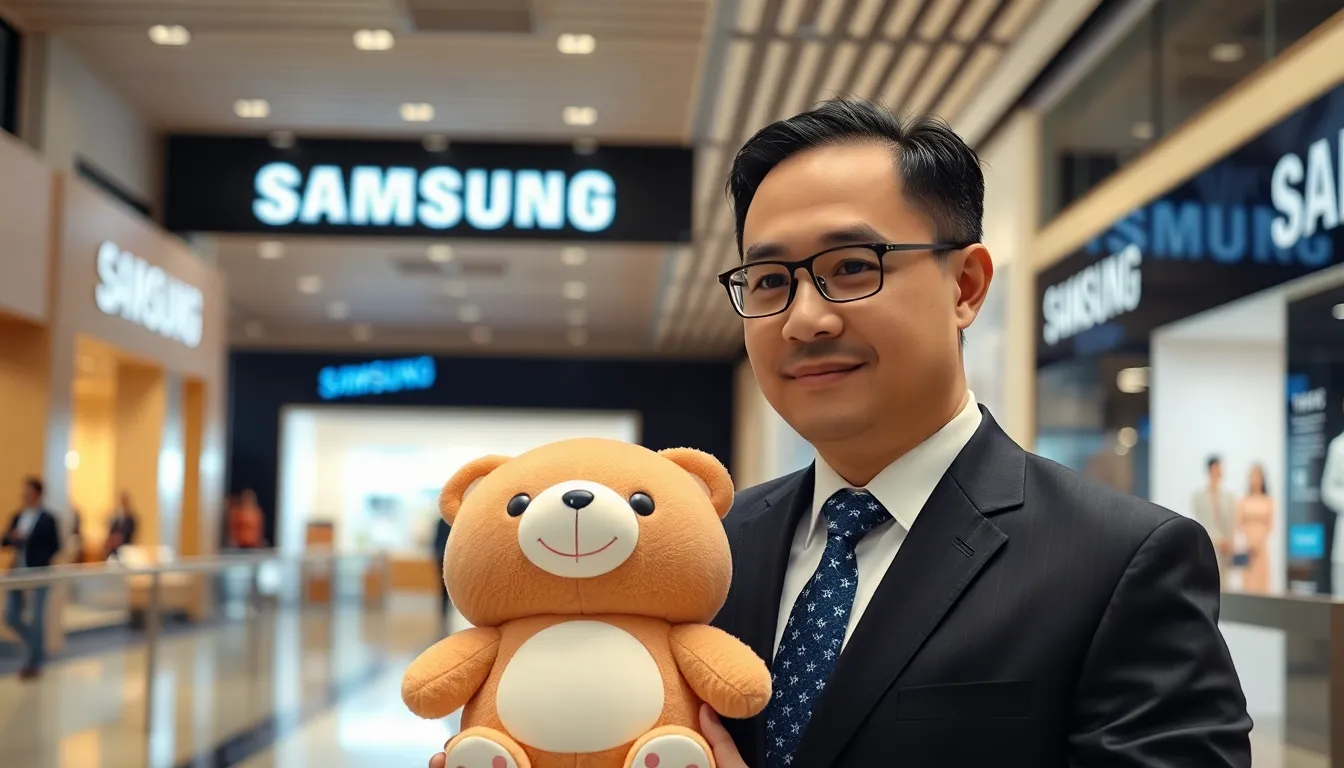
Samsung Electronics Chief's Labubu Purchase in Beijing Sparks Online Frenzy
In a lighthearted moment during a high-profile business trip, Samsung Electronics chief Jay Y. Lee's casual purchase of a Labubu plush toy at a Beijing mall has captured the imagination of Chinese internet users, turning a simple retail transaction into a viral social media event.
The Viral Mall Visit
Lee, who serves as executive chairman of Samsung Electronics and heir to the South Korean conglomerate, was part of a business delegation accompanying South Korean President Lee Jae Myung on a state visit to China. During this trip, he visited JD Mall in Beijing, where he reportedly purchased a Labubu doll. The visit also included stops at other stores within the mall, including a Samsung Electronics store located on the first floor.
Images from Lee's mall excursion quickly circulated across Chinese social media platforms, with particular attention focused on his Labubu purchase. The sight of one of the world's most prominent technology executives engaging with a popular cultural phenomenon generated immediate online discussion and commentary.
Labubu's Cultural Phenomenon
Labubu represents more than just another collectible toy. Created by Hong Kong illustrator Kasing Lung, the character line of plush toys first gained significant popularity in China before expanding into a global viral sensation over the past year. The brand has developed a dedicated following among collectors and enthusiasts who appreciate its distinctive design and cultural resonance.
The collectible's appeal spans demographics and geographic boundaries, making it a recognizable symbol of contemporary pop culture in East Asia and beyond. Its presence in mainstream retail environments like Beijing's JD Mall demonstrates how thoroughly it has penetrated consumer markets.
Social Media Reaction
Chinese internet users responded to Lee's purchase with a mix of amusement and curiosity. Some commenters noted the novelty of a Korean chaebol leader—a term referring to family-owned multinational conglomerates in South Korea—buying into a Chinese cultural phenomenon. Others speculated about whether the purchase was intended as a gift, with some suggesting it might be for Lee's daughter.
While Lee's public appearances typically draw attention due to his position in the global technology industry, this particular incident generated a different kind of engagement. Unlike his previous high-profile meeting with NVIDIA CEO Jensen Huang in Seoul—which involved beer and fried chicken and attracted substantial crowds—the Beijing mall visit created buzz through its relatability and connection to popular culture.
Broader Implications
The incident highlights how technology executives have evolved into public figures whose personal actions can generate significant online discourse. In an era where corporate leaders often maintain carefully curated public personas, spontaneous moments like this offer glimpses into their personal interests and consumer behavior.
It also demonstrates the power of cultural products like Labubu to transcend their original context and become points of connection across different sectors of society. The fact that a business trip moment could become a trending topic speaks to both the reach of social media and the public's fascination with the personal lives of industry leaders.
Conclusion
Jay Y. Lee's purchase of a Labubu plush toy during his Beijing visit represents more than just a casual shopping moment. It has become a case study in how the personal actions of global business figures intersect with popular culture and social media dynamics. The viral response underscores the public's interest in seeing technology executives as multidimensional individuals while simultaneously highlighting Labubu's status as a cultural touchstone with significant mainstream appeal. As social media continues to amplify such moments, they serve as reminders that even the most routine activities of prominent figures can capture public imagination and spark widespread conversation.