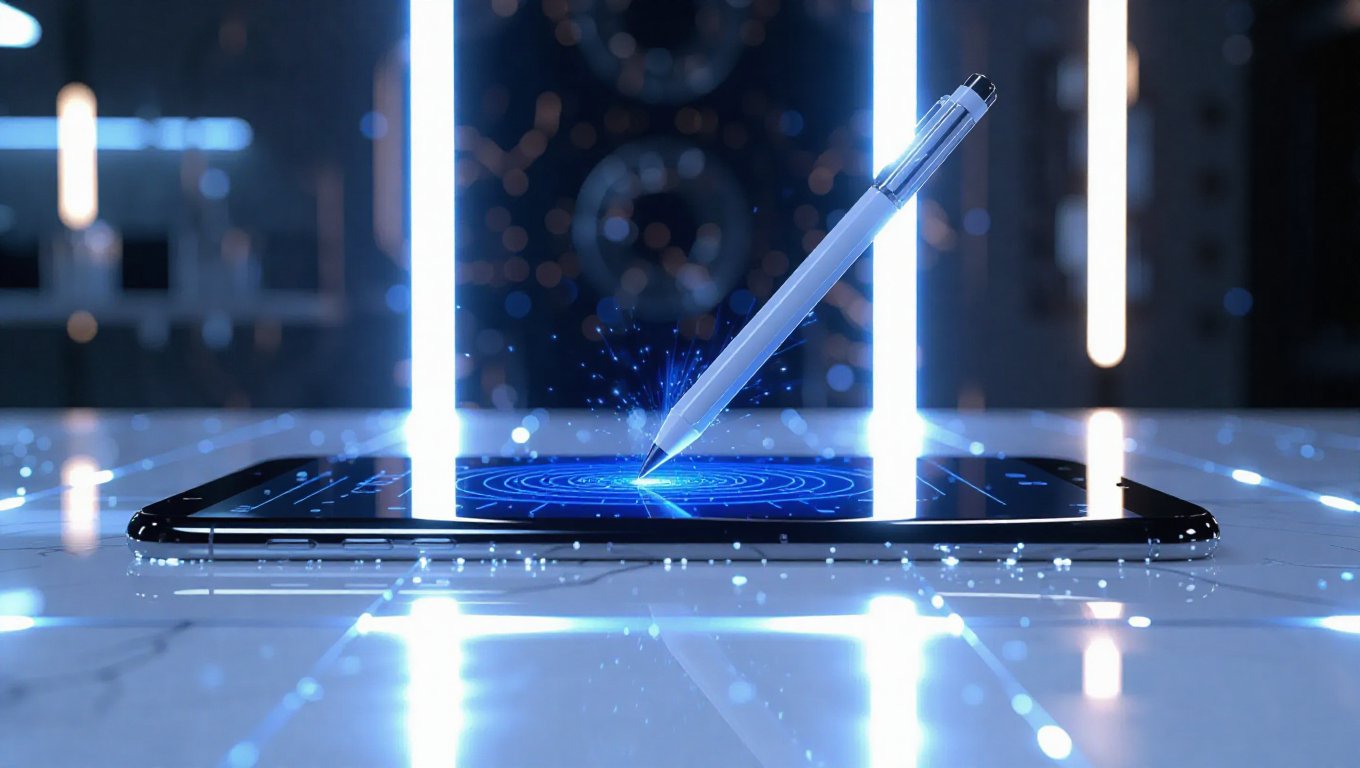
Samsung Developing Advanced S Pen with New Display Technology
Samsung has officially confirmed that an enhanced version of its signature S Pen stylus is currently in development, addressing recent concerns about the accessory's future in the company's flagship smartphone lineup. The announcement comes as welcome news to users who value the S Pen's productivity features and were concerned about its potential removal from future devices.
Addressing Design Compromises
In a recent statement, Samsung's Chief Operating Officer for Mobile Experience revealed that the company is working on "more advanced technology within S Pen to come up with a new structure of display, so the penalty of having S Pen is diminished." This acknowledgment directly addresses one of the primary challenges Samsung has faced with integrating the S Pen into its premium smartphones—the design compromises required to accommodate the stylus slot.
The executive emphasized that "S Pen will continue to be one of the core technologies" for Samsung, putting to rest speculation that the company might abandon the feature entirely. This confirmation follows recent device generations where Bluetooth functionality was removed from the S Pen, leading to concerns about the accessory's long-term viability.
Potential Technical Advancements
While specific details remain undisclosed, industry analysis suggests Samsung may be considering adoption of the Universal Stylus Initiative (USI) 2.0 standard or a newer version for future S Pen models. This technical direction could offer several significant advantages for both the stylus and the devices that support it.
USI 2.0-compatible styluses support advanced features including tilt functionality, 16 million colors in a color palette, and up to 4,096 levels of pressure sensitivity. Perhaps most importantly for device design, this standard could potentially avoid interference with Qi2 or newer magnetic wireless charging technologies, allowing Samsung to integrate both the S Pen and advanced wireless charging magnets into future smartphones.
Display Integration Challenges
The development of a "new structure of display" mentioned by Samsung's executive suggests the company is working on deeper integration between the S Pen and the display technology itself. This approach could lead to improved responsiveness, reduced latency, and potentially thinner device profiles by optimizing how the display interacts with stylus input.
Current S Pen technology requires specific display characteristics and internal space allocation that have historically limited design flexibility. By rethinking this relationship at a fundamental level, Samsung aims to create a more seamless integration that maintains the S Pen's functionality while reducing the physical and design compromises previously necessary.
Future Implications
The confirmation of ongoing S Pen development signals Samsung's continued commitment to differentiating its premium smartphones through productivity-focused features. Rather than abandoning the stylus in favor of more conventional smartphone designs, the company appears to be doubling down on innovation in this area.
This development path suggests future Galaxy devices could offer enhanced creative and productivity capabilities while potentially regaining features like Bluetooth connectivity that were removed in recent generations. The focus on reducing design penalties indicates Samsung aims to create devices that don't force users to choose between premium design and advanced stylus functionality.
Conclusion
Samsung's confirmation of an improved S Pen in development represents a significant commitment to the stylus technology that has become synonymous with its premium smartphone experience. By addressing the fundamental design challenges of integrating a high-quality stylus into modern smartphones, the company appears poised to deliver a next-generation S Pen that maintains its core functionality while enabling more versatile device designs.
The potential adoption of newer standards like USI 2.0 could bring technical improvements that benefit both creative professionals and everyday users who appreciate the precision and versatility of stylus input. As Samsung continues to refine this technology, users can expect future Galaxy devices to offer enhanced S Pen capabilities without the design compromises of previous generations.