Samsung Demonstrates Foldable OLED Durability with Robotic Basketball Tests at CES 2026
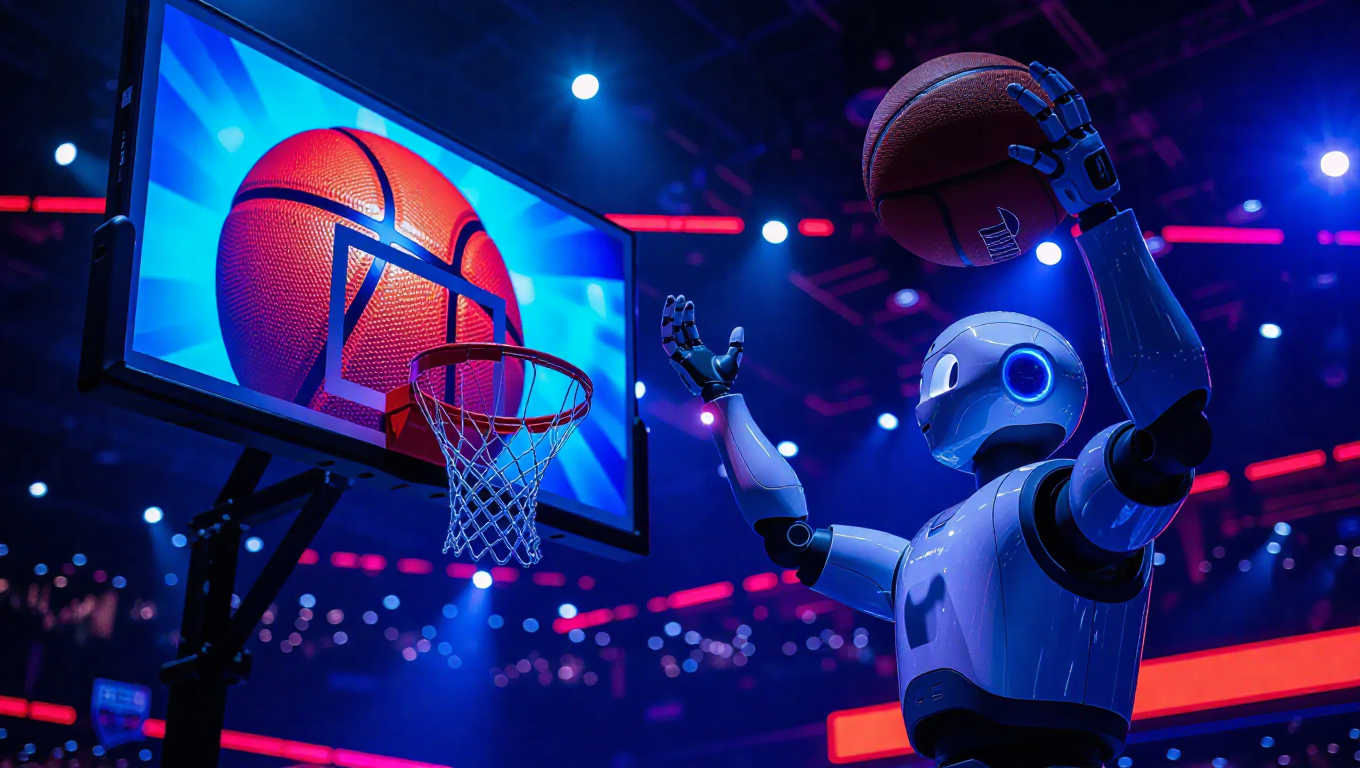
In a bold demonstration of technological resilience, Samsung Display is showcasing the durability of its foldable OLED panels through unconventional testing methods at CES 2026. The company has created a "Robot Basketball" zone where foldable displays undergo repeated impacts from basketballs thrown by robotic arms, providing tangible evidence of the panels' structural integrity.
Extreme Testing for Modern Foldables
The exhibition features 18 foldable OLED panels mounted on basketball backboards with targets, subjected to continuous basketball impacts from automated systems. This dramatic test serves to quantify the durability improvements Samsung has achieved in recent years, addressing one of the primary concerns surrounding foldable device technology.
Beyond the basketball demonstrations, Samsung has implemented additional rigorous tests to validate panel durability. Steel balls are dropped from approximately 30 centimeters onto foldable displays to compare performance against competing products. These tests reportedly show that Samsung's foldable OLED panels continue to operate normally without structural damage or image distortion following impact.
Beyond Consumer Devices: Automotive Applications
The durability demonstrations extend beyond mobile devices to automotive applications. Samsung Display is showcasing automotive OLED displays operating in refrigerated environments to demonstrate performance under extreme cold conditions. The displays maintain a response time of 0.2 milliseconds even at temperatures of -20°C, matching their room temperature performance.
This comprehensive testing approach reflects the company's commitment to addressing durability concerns that have historically accompanied foldable display technology. By subjecting panels to physical stress tests, Samsung aims to provide concrete evidence of reliability improvements that have been achieved through material science and engineering advancements.
Industry Implications and Future Applications
The demonstrations are part of Samsung Display's private exhibition at CES 2026, where business partners can evaluate the technology's capabilities firsthand. The extreme testing methodology represents a shift from theoretical durability claims to practical, observable demonstrations that potential partners and consumers can witness directly.
These tests suggest that foldable panels have reached a level of durability that enables more aggressive implementation across various product categories, potentially accelerating adoption in markets where physical resilience is paramount. The automotive cold-weather testing further indicates expansion into applications where environmental extremes present additional challenges for display technology.
Conclusion
Samsung's unconventional testing approach at CES 2026 provides compelling visual evidence of foldable OLED durability advancements. By subjecting displays to basketball impacts and steel ball drops, the company demonstrates confidence in its technology's structural integrity. These demonstrations not only address consumer concerns about foldable device longevity but also signal readiness for broader industrial applications where display resilience is critical. As foldable technology continues to evolve, such tangible durability proofs may accelerate adoption across multiple sectors beyond traditional consumer electronics.