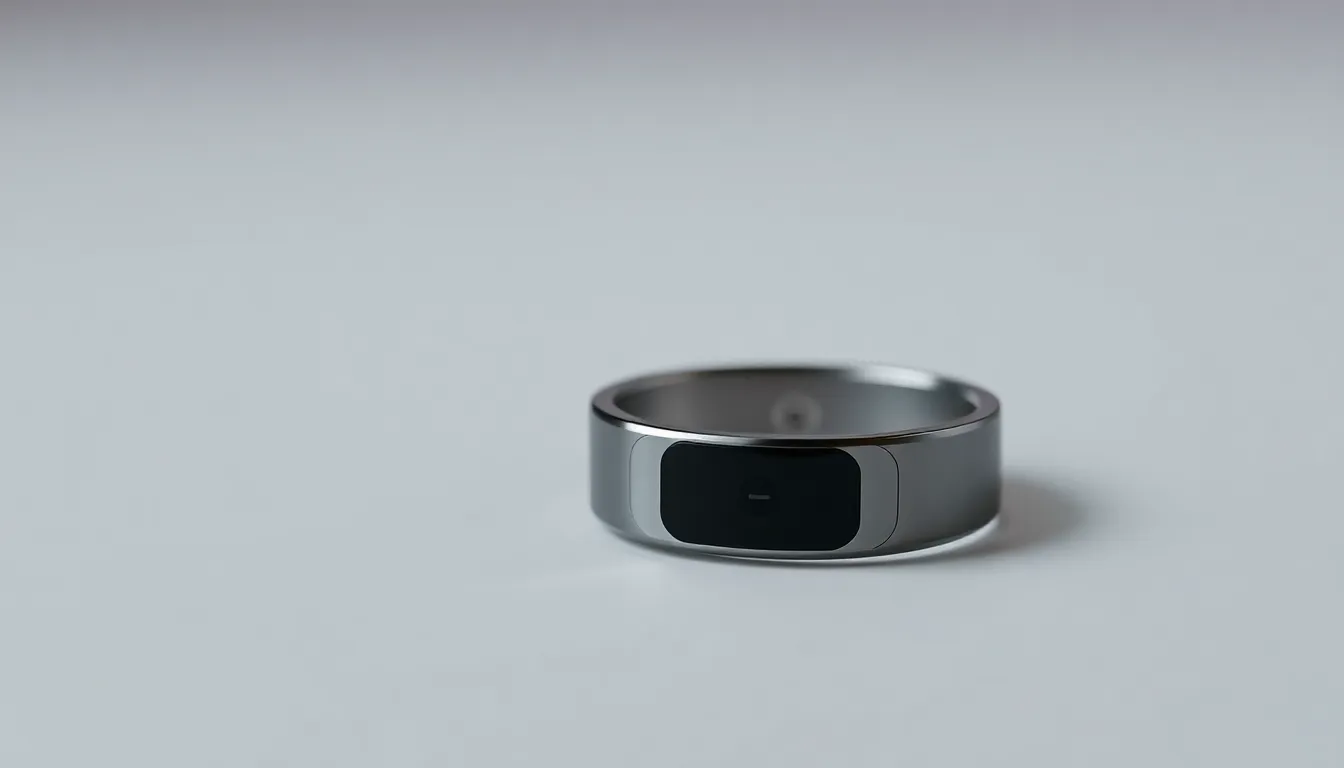
Samsung Completes Galaxy Ring Investigation, Cites Molding Crack in Hospital Incident
Samsung has officially concluded its investigation into a concerning incident involving its Galaxy Ring wearable, which resulted in a user requiring hospital treatment last year. The tech giant has determined the cause was an isolated structural issue, not a fundamental battery safety flaw.
Investigation Findings and Official Statement
Following a three-month inquiry, Samsung announced that the swelling experienced by a user, identified as tech creator Daniel, was caused by a crack in the Galaxy Ring's internal molding structure. The company stated it could not determine the exact origin of this crack but emphasized that the battery itself was not the root cause of the problem.
An independent external agency was involved in the analysis, corroborating Samsung's conclusion. In an official statement, Samsung reiterated that "customer safety is our highest priority" and confirmed "there was no wider product battery safety risk." The company has been in regular contact with the affected user throughout the investigation process.
Context and Reassurance to Users
The incident, which occurred in October of last year, involved the Galaxy Ring becoming stuck on the user's finger due to swelling, necessitating a hospital visit. This raised significant concerns among early adopters of the device, which launched in 2024 as one of Samsung's most anticipated wearable products.
Samsung has moved to reassure customers, stating the Galaxy Ring "has been designed for everyday wear, with durability at the core" and is built to withstand normal conditions. The company advises that users do not need to worry about battery swelling under typical usage scenarios. For troubleshooting, users are directed to consult customer care guides available on Samsung's official support website.
Broader Battery Performance Notes
Separate from the swelling investigation, some Galaxy Ring users have reported issues with higher-than-expected battery drain. Samsung has acknowledged these reports, recommending that users experiencing such problems contact customer support for individual case reviews.
Last month, the company released a firmware update specifically aimed at improving battery stability and addressing excessive drain on some units. This indicates ongoing software optimization for the device's power management alongside the hardware investigation's conclusion.
Conclusion
Samsung's thorough investigation into the Galaxy Ring swelling incident has provided clarity, attributing the problem to a specific structural fault rather than a systemic battery hazard. While the exact cause of the molding crack remains undetermined, the findings offer reassurance regarding the overall safety of the product. The company's response, including independent verification and ongoing software updates for battery performance, reflects a structured approach to addressing post-launch issues for its flagship wearable.