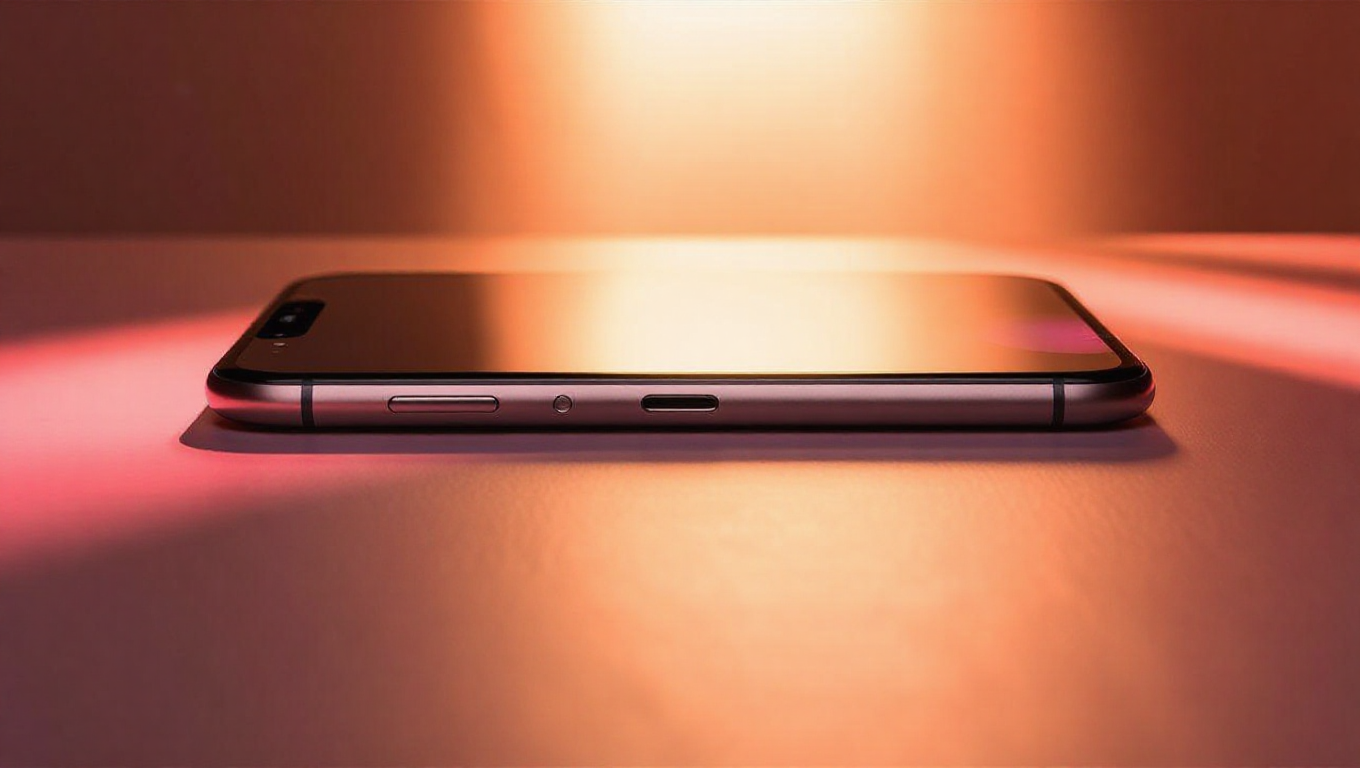
Samsung Cancels Galaxy S26 Edge as Apple Reportedly Doubles Down on Ultra-Thin iPhones
The ultra-thin flagship smartphone segment, pioneered by Samsung's Galaxy S25 Edge in May 2025 and followed by Apple's iPhone Air in September 2025, has hit a significant roadblock. Despite their innovative form factors, both devices have reportedly struggled in the market. This has led Samsung to make a decisive strategic shift, while Apple appears to be taking a contrary path.
Market Struggles Lead to Samsung's Exit
The Galaxy S25 Edge was the industry's first attempt to pack high-end flagship hardware into an ultra-thin chassis. Apple's subsequent entry with the iPhone Air validated the concept but did not translate to commercial success for either company. Faced with this reality, Samsung has decided against developing a successor, effectively canceling the anticipated Galaxy S26 Edge. This move marks a retreat from a category the company itself helped create just a year prior.
Apple's Counter-Intuitive Strategy
In contrast to Samsung's withdrawal, Apple seems poised to reinforce its commitment to the ultra-thin iPhone line. Reports indicate that work is underway on a successor, tentatively referred to as the iPhone Air 2. The device is rumored to address key criticisms of its predecessor, most notably by upgrading from a single rear camera to a dual-camera system. While specific details on the second lens are unconfirmed, it is speculated to be an ultra-wide sensor rather than a telephoto, complementing a main sensor with 2x optical zoom capabilities.
Perhaps more surprising than the hardware upgrade is the suggested pricing strategy. Rumors suggest Apple is planning to launch the iPhone Air 2 at a lower price point than the original iPhone Air in the US. This would be a notable departure from Apple's typical pattern of maintaining or increasing prices with new iterations, especially in a global market where component costs, particularly for memory, have been rising. The potential combination of improved specifications—which may also include a larger battery—and a lower price could significantly boost the model's appeal if Apple can achieve it.
Diverging Paths in a Niche Market
The contrasting approaches of the two tech giants highlight the unpredictable nature of pioneering new form factors. Samsung's decision to cancel the Galaxy S26 Edge reflects a pragmatic response to tepid market reception, choosing to reallocate resources rather than persist in a challenging segment. Apple's rumored strategy, however, suggests a belief that the initial failure was one of execution—specifically regarding price and features—rather than a fundamental flaw in the ultra-thin concept itself.
The success or failure of the iPhone Air 2, should it materialize as rumored, could serve as a critical case study. A successful launch would validate Apple's doubling-down strategy and potentially question Samsung's decision to exit. Conversely, if it also fails to gain traction, it would confirm the current market's limited appetite for ultra-thin flagships, justifying Samsung's caution. For now, the future of the premium ultra-thin smartphone rests primarily in Apple's hands.