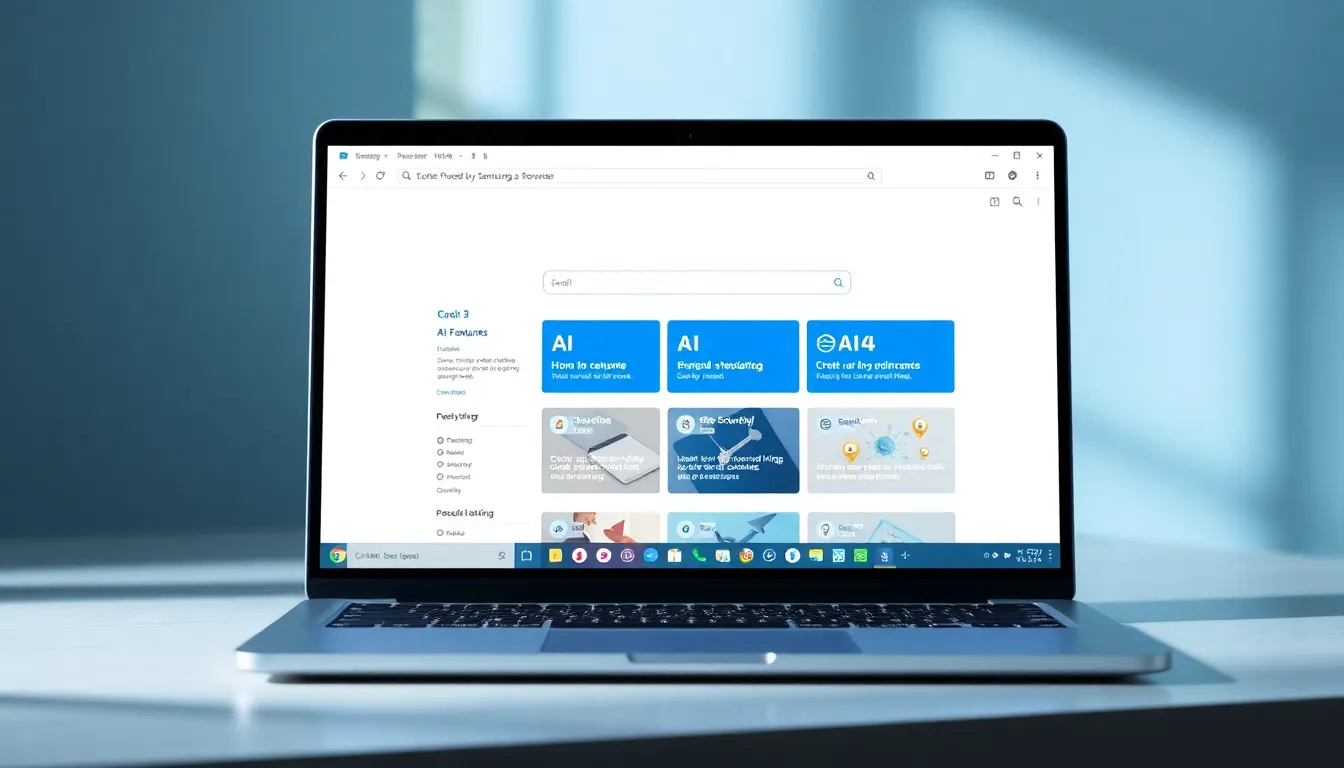
Samsung Browser Launches Officially on Windows with AI Features to Challenge Chrome
Samsung has officially expanded its browser ecosystem beyond mobile devices with the full launch of Samsung Browser for Windows. Following a successful beta period, the browser is now available to all Windows users, positioning itself as a direct competitor to established players like Google Chrome with a focus on AI integration and seamless device synchronization.
Cross-Device Continuity and AI Integration
The Windows version of Samsung Browser enables users to seamlessly continue their browsing sessions between Galaxy smartphones and Windows PCs. This continuity feature allows for a unified browsing experience across devices, making it particularly appealing to users already invested in the Samsung ecosystem.
One of the most significant additions is the integration of agentic AI features powered by Perplexity. These AI capabilities include the ability to summarize open tabs, search for specific content within videos, and understand contextual information from web pages. However, these advanced AI features are currently limited to select regions and may not be available to all users immediately.
Positioning Against Chrome
Samsung Browser's arrival on Windows represents a strategic move to capture desktop browsing market share from dominant browsers like Chrome. By leveraging its existing mobile user base and adding unique features, Samsung aims to create a compelling alternative for users seeking integrated experiences across their devices.
The browser maintains the mobile-first design principles that made it popular on Galaxy devices while adapting the interface for desktop use. This approach could appeal to users who prefer consistency between their mobile and desktop browsing experiences.
Feature Set and Availability
The official release follows extensive beta testing, during which Samsung refined the Windows version based on user feedback. The browser is now available for download through official channels, offering Windows users access to Samsung's browsing technology without requiring a Galaxy device.
While the AI features represent the most innovative aspect of the release, the browser also includes standard features expected from modern browsers, including bookmark synchronization, password management, and privacy controls. The integration with Samsung's ecosystem provides additional value for users who regularly switch between their Galaxy phones and Windows computers.
Conclusion
Samsung Browser's official Windows launch marks a significant expansion of the company's software ecosystem and represents a direct challenge to Chrome's dominance. By combining cross-device continuity with cutting-edge AI features, Samsung has created a browser that offers unique value propositions for both existing Galaxy users and general Windows users seeking alternatives to mainstream browsers.
The success of this initiative will depend on how well Samsung can differentiate its browser from established competitors and whether the AI features prove compelling enough to drive adoption. As browser competition intensifies with AI integration becoming a key battleground, Samsung's entry into the Windows browser market adds another dimension to the ongoing evolution of web browsing experiences.