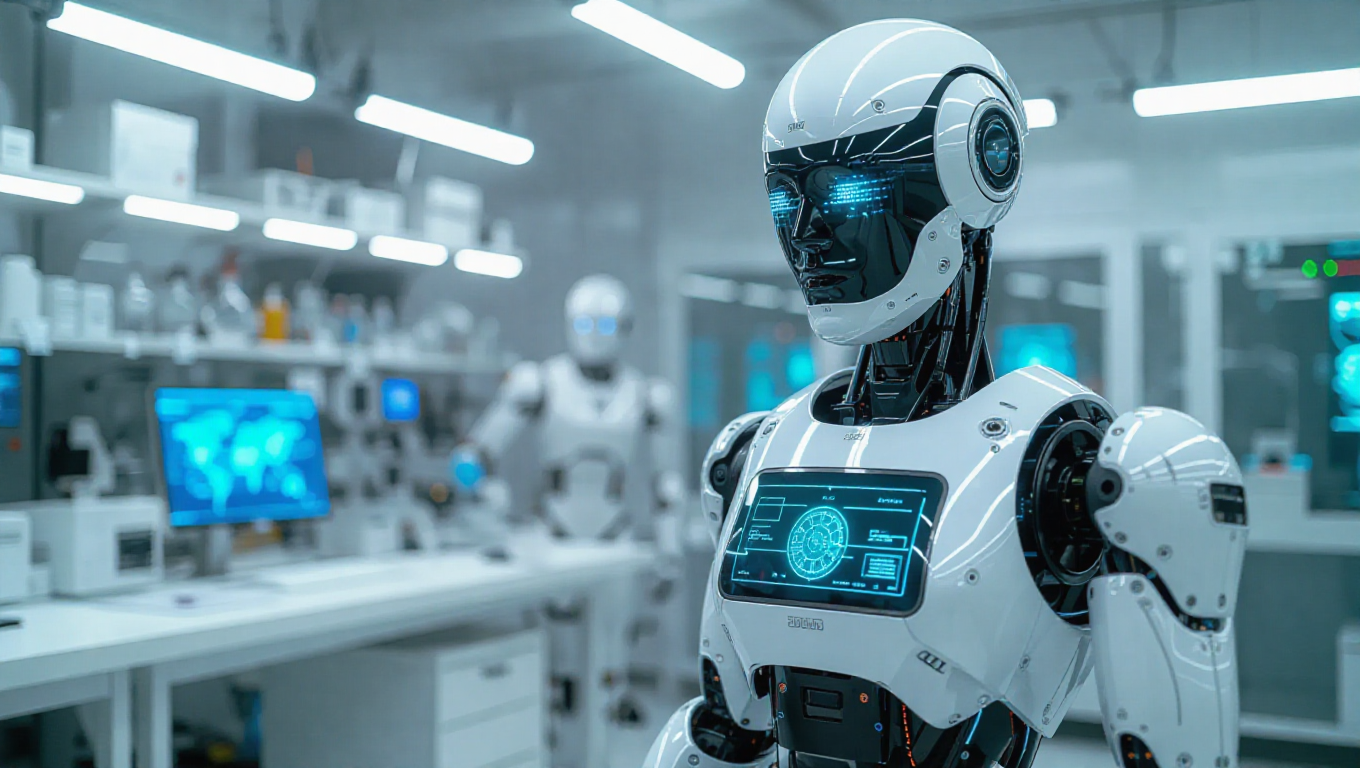
Samsung Bets on OLED Displays for Future Humanoid Robots
While artificial intelligence has made voice interaction more accessible than ever, Samsung Display is making a strategic bet that the future of humanoid robotics will still rely heavily on visual interfaces. The company is positioning its OLED technology as a critical component for next-generation robots, arguing that screens provide clarity and reliability that voice alone cannot guarantee.
The Limitations of Voice-Only Interaction
Modern AI systems have significantly improved voice recognition and natural language processing, making conversational interfaces increasingly common. However, these systems still face challenges with accuracy, context awareness, and environmental noise. Even as AI continues to advance, there are inherent limitations to voice-only communication that make visual interfaces necessary for complex tasks and critical information relay.
This perspective is shared by major display manufacturers in Korea, who see a fundamental need for screens in human-machine interfaces regardless of how sophisticated AI becomes. The argument centers on reliability—visual information can be presented clearly, referenced repeatedly, and understood without the ambiguity that sometimes plagues voice recognition systems.
A Growing Market Opportunity
The humanoid robot market represents a significant growth opportunity, with projections suggesting it could reach approximately $40 billion by 2035. Industry analysis indicates that display adoption in humanoid robots across assistance, service, and home applications could climb as high as 80% as these technologies mature and become more widespread.
Samsung Display is actively courting potential clients in this emerging sector, targeting not only established automakers expanding into robotics but also smaller robotics firms developing specialized applications. The company's strategy involves establishing partnerships early in the market's development cycle to position OLED as the display technology of choice for humanoid robots.
OLED's Advantages for Robotics
At recent technology exhibitions, Samsung has demonstrated various OLED applications specifically designed for robotics. The technology offers several advantages for humanoid applications, including flexibility for different form factors, excellent visibility in various lighting conditions, and the ability to create more natural, expressive interfaces that can enhance human-robot interaction.
OLED displays can be manufactured in curved, foldable, and unconventional shapes that traditional displays cannot accommodate, making them particularly suitable for the diverse physical forms that humanoid robots may take. This flexibility allows designers to integrate displays seamlessly into robotic bodies rather than treating them as afterthought additions.
Competitive Landscape and Future Outlook
Samsung faces competition from other display manufacturers, including domestic rival LG Display, which is pursuing a similar strategy of targeting the emerging humanoid robot market. Both companies recognize the potential for displays to become a significant revenue stream as robotics adoption increases across multiple sectors.
The race is on to establish dominance in what could become a substantial segment of the display industry. As humanoid robots move from research labs and specialized applications to broader commercial and consumer use, the choice of display technology will play a crucial role in their functionality, user experience, and overall acceptance.
Conclusion
Samsung's push into robotics displays represents a strategic recognition that advanced AI capabilities don't eliminate the need for traditional interfaces—they simply change how those interfaces should be designed and implemented. By betting on OLED technology for humanoid robots, Samsung is positioning itself at the intersection of two rapidly evolving industries: advanced displays and intelligent robotics.
The success of this strategy will depend on multiple factors, including the pace of robotics adoption, the evolution of alternative interface technologies, and how effectively display manufacturers can address the unique requirements of robotic applications. What's clear is that as robots become more sophisticated and integrated into daily life, the way humans interact with them will require a thoughtful combination of voice, visual, and potentially other sensory interfaces working in harmony.