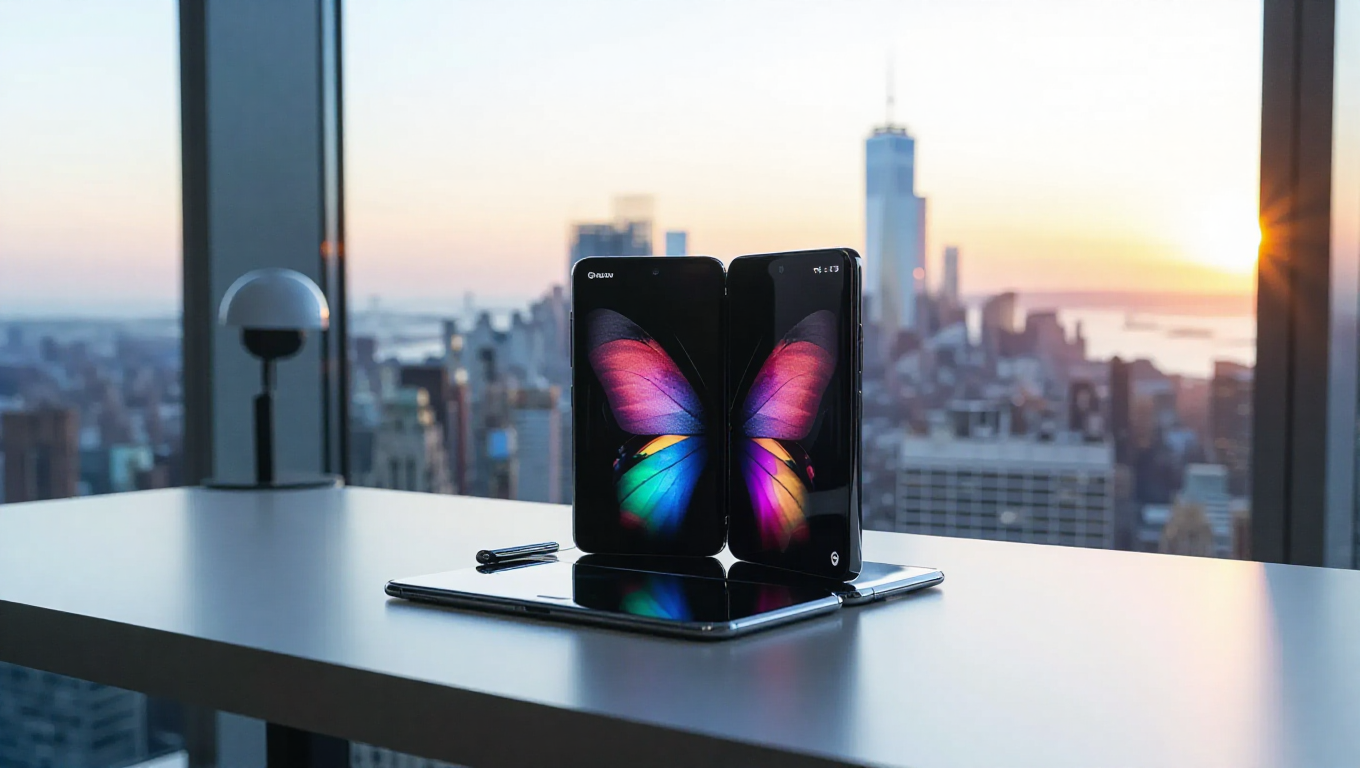
Samsung Bets Big on Galaxy Z Fold 8, Prioritizing Larger Foldables
The foldable smartphone market is poised for a strategic shift as Samsung reportedly places greater emphasis on its larger flagship models. Recent developments suggest the company is confident that the upcoming Galaxy Z Fold 8 will outperform its smaller counterpart in sales, marking a significant pivot in its foldable strategy.
A Strategic Focus on Larger Form Factors
Insider reports indicate that Samsung is prioritizing development on the Galaxy Z Fold 8 and other larger form factors over the smaller Galaxy Z Flip series. This strategic decision reflects a growing confidence in the market demand for expansive, tablet-like devices that offer enhanced productivity and multimedia experiences. The company is planning to produce more units of the Galaxy Z Fold 8 than in previous years, signaling a robust commitment to this segment.
This shift suggests that Samsung believes consumers are increasingly valuing the utility of a larger screen for multitasking, content creation, and entertainment. While compact foldables like the Z Flip have carved out a niche for portability and style, the Z Fold series appears to be gaining traction as a primary device for power users and professionals. The move to allocate more resources to the Z Fold 8 could lead to more significant innovations in durability, software optimization, and feature sets tailored to this form factor.
Market Implications and Consumer Trends
The anticipated success of the Galaxy Z Fold 8 could reshape the competitive landscape of the foldable market. If Samsung's projections hold true, it may encourage other manufacturers to invest more heavily in larger foldable designs, potentially accelerating advancements in hinge technology, display durability, and battery efficiency. This focus aligns with broader trends where consumers seek devices that bridge the gap between smartphones and tablets, offering versatility without compromising portability.
However, this strategy does not diminish the importance of smaller foldables, which continue to appeal to users prioritizing compactness and affordability. Samsung's approach likely involves a balanced portfolio, but the increased production and marketing emphasis on the Z Fold 8 highlight where the company sees the most growth potential. It also reflects evolving user preferences, where the initial novelty of foldables is giving way to practical considerations about daily usability and functionality.
Conclusion: A Bold Move in Evolving Territory
Samsung's confidence in the Galaxy Z Fold 8 underscores a maturing foldable market where larger devices are gaining mainstream acceptance. By prioritizing this model, the company is betting on a future where foldables are not just niche products but essential tools for productivity and entertainment. As development progresses, consumers can expect the Z Fold 8 to set new benchmarks in performance and design, potentially driving wider adoption of foldable technology. This strategic pivot may well define the next phase of innovation in the smartphone industry, with Samsung leading the charge toward more versatile and powerful mobile devices.