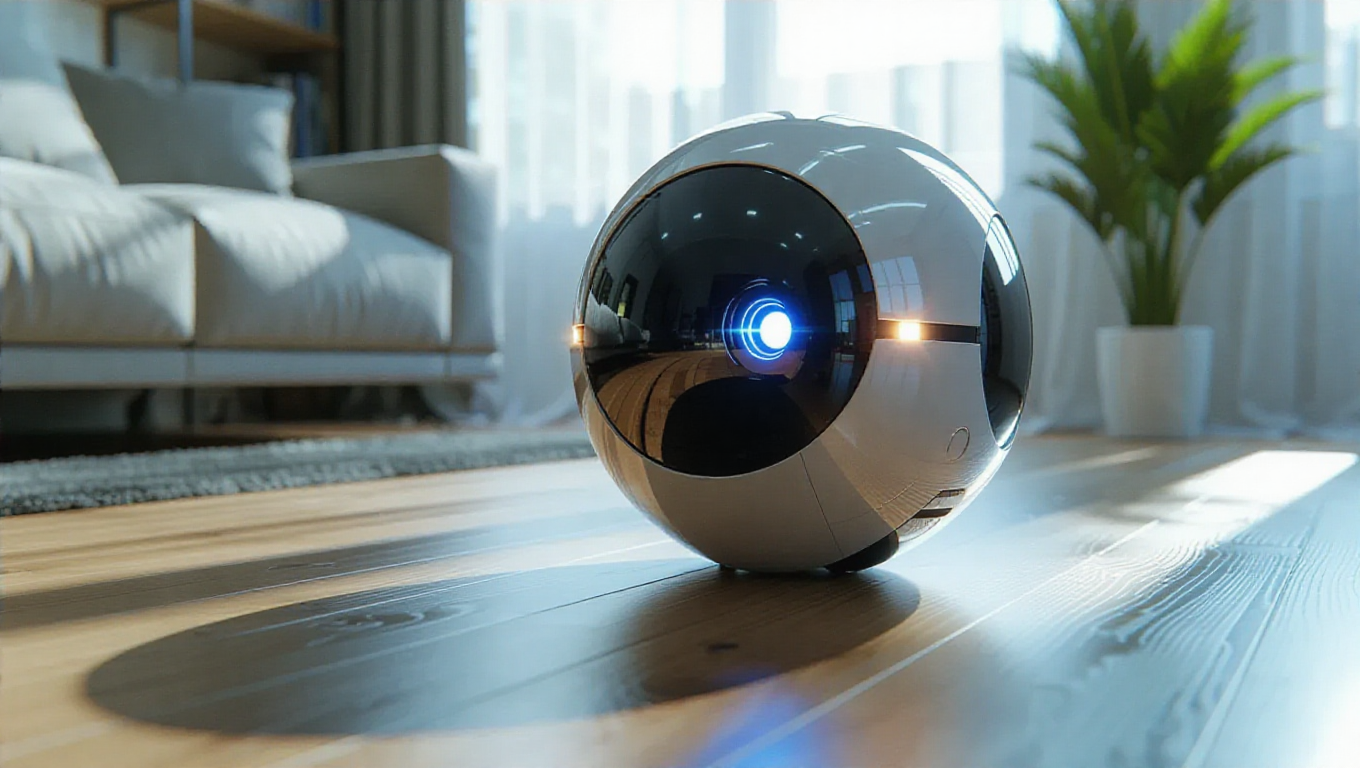
Samsung Ballie Robot Project Appears Shelved as Final Consumer Hopes Fade
Samsung's once-promising ball-shaped home robot, Ballie, appears to have reached the end of its road as a consumer product. What began as an innovative concept showcasing AI and smart home integration has quietly faded from Samsung's commercial roadmap, leaving enthusiasts wondering what went wrong with the rolling companion that captured imaginations at multiple CES events.
The Disappearing Act
The most telling sign of Ballie's fate came with the removal of Samsung's US availability sign-up page, which had previously promised a summer 2025 debut. Visitors attempting to access the page are now redirected to Samsung's projector landing page, where they can purchase conventional projectors—but no rolling, AI-powered robots. This digital disappearance follows Ballie's absence from CES 2026, marking a significant departure from its previous high-profile appearances at the annual tech showcase.
Internally, Samsung has reportedly transformed Ballie into what it calls an "active innovation platform"—essentially a testing ground for new smart home concepts and context-driven experiences behind closed doors. This shift from consumer product to internal research tool suggests the company has shelved plans for a commercial release, at least in Ballie's current form.
Market Positioning Challenges
The decision to pull back from a consumer launch likely stems from fundamental questions about Ballie's value proposition. While the robot featured a projector and Google's Gemini AI integration, it lacked practical household functions that might justify its expected price point. Unlike Samsung's Jet Bot vacuuming robots, which perform clear, useful tasks, Ballie's primary function appeared to be entertainment and ambient computing—a harder sell in today's smart home market.
Reports indicate Samsung struggled to define Ballie's market position, particularly when compared to its own more practical robotic offerings. The concept of a rolling projector with AI personality faced questions about whether consumers would pay premium prices for what essentially amounted to a mobile entertainment hub without core home maintenance capabilities.
A History of Reinvention
Ballie's journey has been marked by repeated reinvention since its original 2020 debut. The robot underwent a significant redesign before its CES 2024 reappearance, suggesting Samsung had been working to refine the concept for years. Despite these efforts and public promises of an imminent launch, the project never reached the commercial finish line.
The timeline is particularly telling: after announcing a specific release window and creating anticipation through availability sign-ups, Samsung's sudden pivot suggests either technical hurdles or strategic reconsideration. The transformation from consumer product to internal platform indicates the technology may have value for Samsung's research and development, but not as a standalone retail offering.
Conclusion: Innovation Without Commercialization
Ballie's apparent shelving represents a case study in how innovative concepts sometimes fail to translate to viable consumer products. While the rolling robot showcased Samsung's technological ambitions and generated significant buzz at trade shows, it ultimately couldn't overcome fundamental questions about utility and market fit.
For those who signed up for Ballie updates, the silence from Samsung speaks volumes. The company's robotic ambitions now appear focused on practical applications like the upcoming Bespoke AI Jet Bot Steam vacuum cleaner, leaving Ballie as an interesting footnote in Samsung's innovation history—a concept that pushed boundaries but never found its place in consumers' homes.
The disappearance of Ballie's landing page serves as a quiet epitaph for a project that promised to bring personality and AI-driven interaction to smart homes, but ultimately couldn't justify its existence in a market increasingly focused on practical, problem-solving devices.