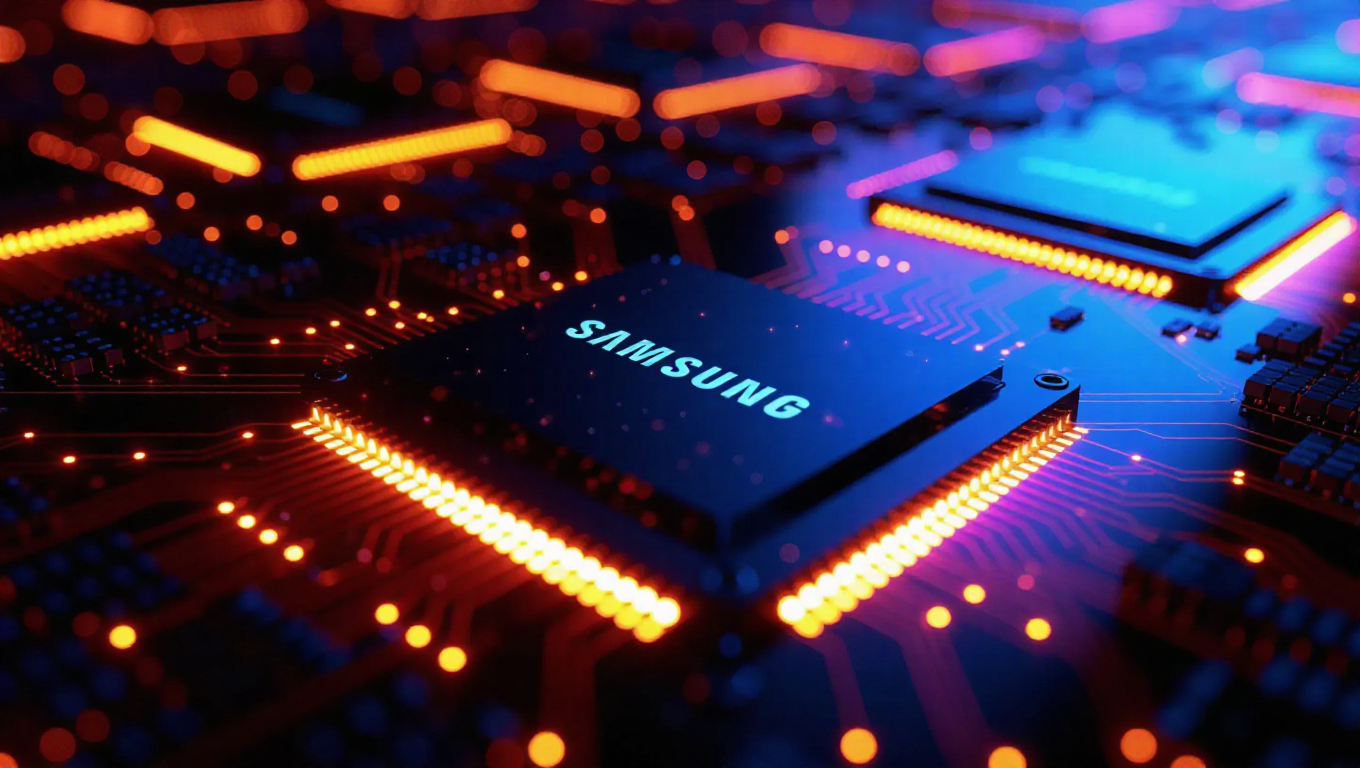
Samsung Approaches $900 Billion Valuation Milestone on AI Chip Strength
Samsung Electronics is on the cusp of a historic financial milestone, with its market capitalization nearing $900 billion for the first time. This remarkable surge reflects a dramatic turnaround for the South Korean technology giant, which has positioned itself at the forefront of the booming artificial intelligence semiconductor industry.
Metoric Rise in Valuation
Samsung's current valuation stands at approximately $876 billion, representing a staggering 358% increase from just $244.5 billion last year. The company's share price recently crossed the $130 mark, continuing an upward trajectory that has captivated investors and industry observers alike. This financial resurgence follows a period of challenges for the conglomerate, with its fortunes beginning to shift significantly after securing a substantial $16.5 billion agreement to manufacture semiconductor chips for electric vehicle leader Tesla.
HBM4 Leadership Drives Growth
The primary catalyst behind Samsung's valuation surge appears to be its leadership in high-bandwidth memory (HBM) technology, particularly the newly launched HBM4 chips. Samsung recently became the first company worldwide to commence mass production of these advanced memory components, which are essential for powering next-generation AI accelerators. Industry reports suggest Samsung plans to price its HBM4 chips at around $700 per unit, representing approximately a 30% increase over previous generation pricing.
These specialized chips serve as critical components in AI systems developed by major technology firms including Amazon, Alphabet (Google), Meta, and Microsoft. Samsung stands alongside only two other companies—SK Hynix and Micron—capable of producing the current generation of HBM3, HBM3E, and now HBM4 memory chips.
Strategic Partnerships and Market Position
Samsung's HBM4 production has already attracted significant interest from key industry players. The company is reportedly set to ship the majority of its initial HBM4 production to Nvidia, currently the world's most valuable company. These chips, along with Samsung's SOCAMM2 memory solutions, are expected to be integrated into Nvidia's upcoming Vera Rubin AI platform scheduled for launch later this year. This platform is anticipated to become one of the world's most powerful AI chip systems.
With many analysts predicting that memory chip shortages could persist beyond 2027, Samsung appears exceptionally well-positioned for continued revenue and profit growth. The company's HBM4 chips are reported to deliver leading performance characteristics in the competitive memory market, further strengthening its technological advantage.
Future Prospects and Industry Impact
Samsung's approaching $900 billion valuation milestone signals more than just financial success—it represents the company's strategic pivot toward high-margin, technologically advanced semiconductor products. As artificial intelligence continues to transform global industries, demand for specialized memory solutions like HBM4 is expected to grow exponentially. Samsung's early leadership in this critical segment, combined with its manufacturing scale and established customer relationships, suggests the company could potentially reach the elusive $1 trillion valuation threshold in the coming years, joining an exclusive club of global technology leaders.
The semiconductor industry's ongoing transformation toward AI-optimized components has created new competitive dynamics, with memory technology becoming increasingly central to system performance. Samsung's current trajectory demonstrates how established technology giants can reinvent themselves through strategic focus on emerging high-growth markets, potentially reshaping the global semiconductor landscape for years to come.