Samsung and Tesla Deepen Partnership with Texas Plant Meeting
In a significant move for the automotive and semiconductor industries, Samsung's Executive Chairman Lee Jae-Yong recently hosted Tesla CEO Elon Musk at Samsung's semiconductor manufacturing facility in Taylor, Texas. The meeting underscores the deepening technological and manufacturing alliance between the two corporate giants, which has been solidified through multiple high-stakes chip contracts.
Building on a Foundation of Chip Deals
The Texas meeting follows a series of major agreements. Earlier this year, Samsung secured a contract to manufacture Tesla's next-generation AI6 chip for future electric vehicles. This came after the company was also entrusted with producing Tesla's current-generation AI5 chip. Prior to these deals, Samsung was already the manufacturer for Tesla's previous AI4 chip, establishing a proven track record in automotive semiconductor supply.
Reviewing Production and Discussing Collaboration
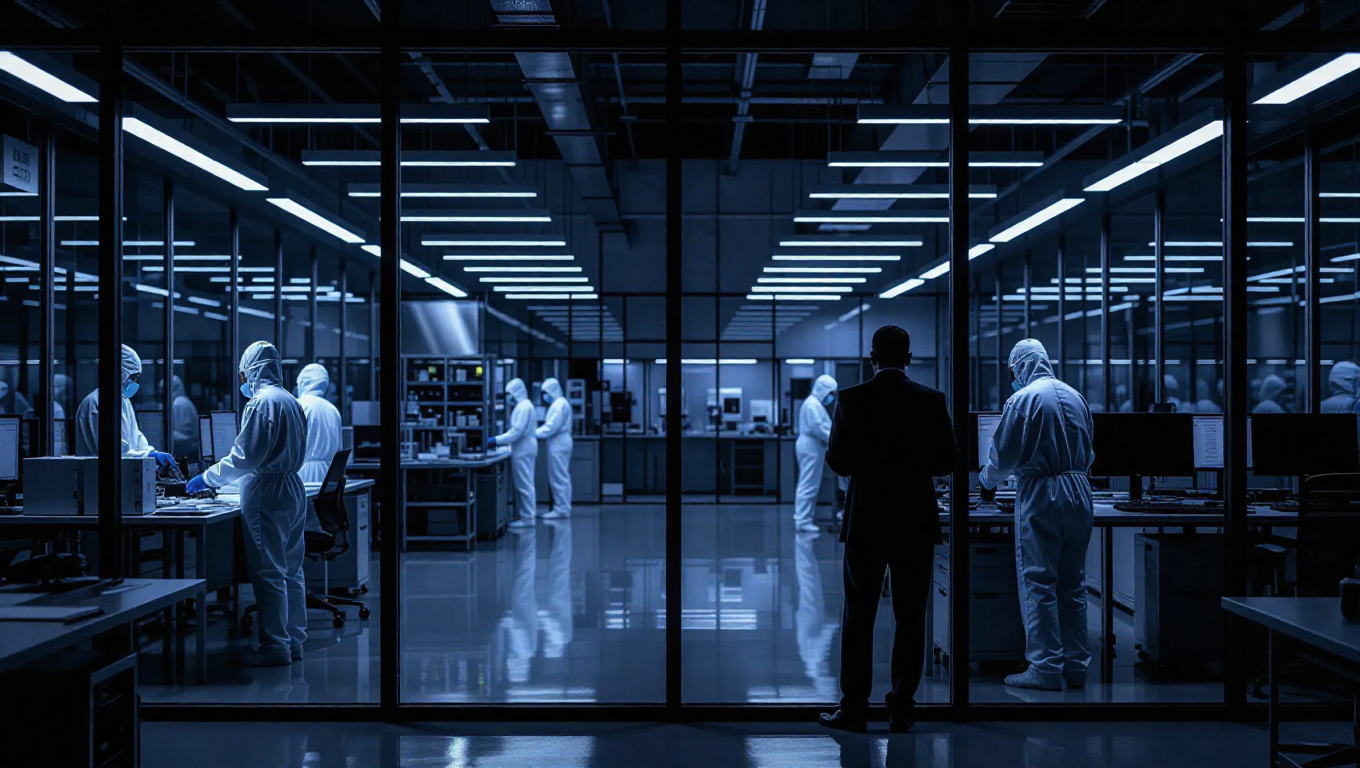
During the visit, Chairman Lee and CEO Musk toured the production lines at the Taylor facility. Discussions reportedly focused on technical and operational matters, including yield targets for the chips Samsung is producing for Tesla. The talks also ventured into potential areas for future technological collaboration, indicating the partnership may expand beyond the current scope of chip manufacturing.
A New, Integrated Business Model
A key topic of the meeting was the exploration of a novel business model for Samsung Foundry. Under this proposed model, major clients like Tesla would be granted unprecedented access and involvement throughout the chip manufacturing process. This could include participation in chip design, plant construction planning, production line configuration, and packaging. The goal is to create a tighter feedback loop, accelerating development cycles and potentially improving the final product's fit for the client's specific needs.
As part of this closer integration, it is reported that Musk requested a dedicated workspace within the Texas plant for Tesla personnel. This would allow Tesla engineers to be physically present to monitor chip production in real-time, ensuring quality control and facilitating immediate communication.
Strategic Implications for Samsung Foundry
This collaborative approach is seen as a strategic move by Samsung to attract and retain high-profile clients in the competitive foundry market. By offering a more integrated and responsive service, Samsung aims to differentiate itself from other chip manufacturers. The company is simultaneously promoting other technological innovations, such as the Heat Path Block (HPB) technology from its Exynos 2600 processor, to appeal to other major industry players, signaling a broad strategy to capture a larger share of the advanced chip market.
Conclusion
The meeting between Lee Jae-Yong and Elon Musk in Texas represents more than a routine executive visit. It highlights the evolution of the Samsung-Tesla relationship from a simple supplier-client dynamic into a strategic, co-development partnership. The discussions around a new, client-integrated business model could set a precedent for how semiconductor foundries collaborate with key customers in the automotive and AI sectors, driving innovation through closer synergy. As both companies push the boundaries of electric vehicles and artificial intelligence, their aligned interests in cutting-edge, reliable semiconductor technology will likely continue to strengthen this pivotal alliance.