Samsung and Apple's Rumored Wide Folds Validate Google's Pixel Fold Vision
In the rapidly evolving foldable smartphone market, design philosophies have largely converged around tall, narrow form factors that prioritize portability. However, recent industry developments suggest a significant shift may be underway, with two tech giants reportedly exploring designs that echo a pioneering device from three years ago: Google's original Pixel Fold.
The Pixel Fold's Controversial Design
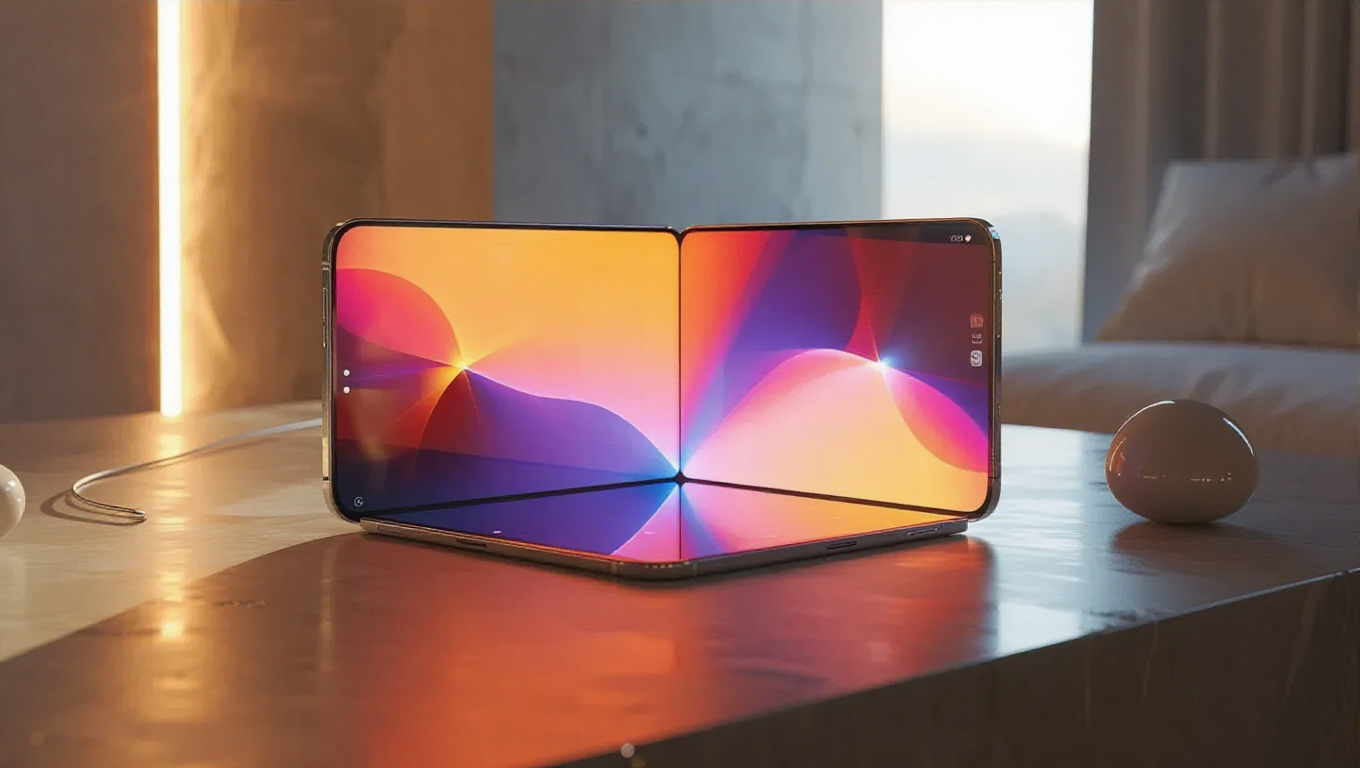
When Google entered the foldable market in 2023, it took a markedly different approach from competitors. While most foldables featured tall, narrow outer displays that resembled traditional smartphones when closed, the Pixel Fold adopted a shorter, wider form factor. This design created a device that felt more like a miniature tablet when unfolded, with proportions that many reviewers found more natural for multimedia consumption and productivity tasks.
The original Pixel Fold faced significant criticism despite its innovative design. Reviewers noted issues with the hinge mechanism, durability concerns, substantial weight, and prominent bezels that made the device feel dated compared to sleeker competitors. These shortcomings, combined with the unfamiliar form factor, led many to dismiss Google's approach as misguided.
The Industry's Unexpected Pivot
Following the mixed reception of its first foldable, Google shifted direction with subsequent models, adopting slimmer, taller designs that more closely resembled industry standards. This move seemed to signal the end of the wide foldable experiment. However, recent industry rumors suggest the story is far from over.
Reports indicate that both Samsung and Apple are exploring wider foldable designs for their upcoming devices. Samsung, long the champion of tall foldables with its Galaxy Z Fold series, is rumored to be developing a wider variant that would represent a significant departure from its established design language. Meanwhile, Apple's anticipated entry into the foldable market is also said to feature wider proportions, potentially setting a new industry standard.
Retrospective Validation
The potential adoption of wider form factors by industry leaders represents a remarkable validation of Google's original vision. While the Pixel Fold had significant technical shortcomings, its fundamental design philosophy—that foldables should prioritize usability in their unfolded state rather than mimicking traditional smartphones when closed—appears increasingly prescient.
This development suggests that Google may have identified the optimal foldable form factor years ahead of the competition but lacked the execution to perfect it. The original Pixel Fold's issues were primarily related to implementation rather than concept, with its weight, bezels, and durability problems overshadowing its innovative proportions.
Conclusion: Visionary but Premature
The foldable market's apparent shift toward wider designs highlights how timing can be as crucial as innovation in technology. Google's Pixel Fold introduced a form factor that now appears to be gaining industry acceptance, but it arrived before manufacturing techniques and consumer expectations had matured sufficiently to appreciate its advantages.
As Samsung and Apple potentially embrace wider foldables, they may benefit from years of technological advancement that Google lacked when launching its pioneering device. This development serves as a reminder that true innovation often precedes market readiness, and that today's dismissed experiments can become tomorrow's standards.