Samsung Admits Liability After Galaxy S25+ Explodes During Charging
Samsung has formally acknowledged responsibility for an incident in which a Galaxy S25+ smartphone exploded while charging, causing property damage and potential health risks to the users. The event has raised concerns about device safety and corporate accountability.
Incident Details and Initial Response
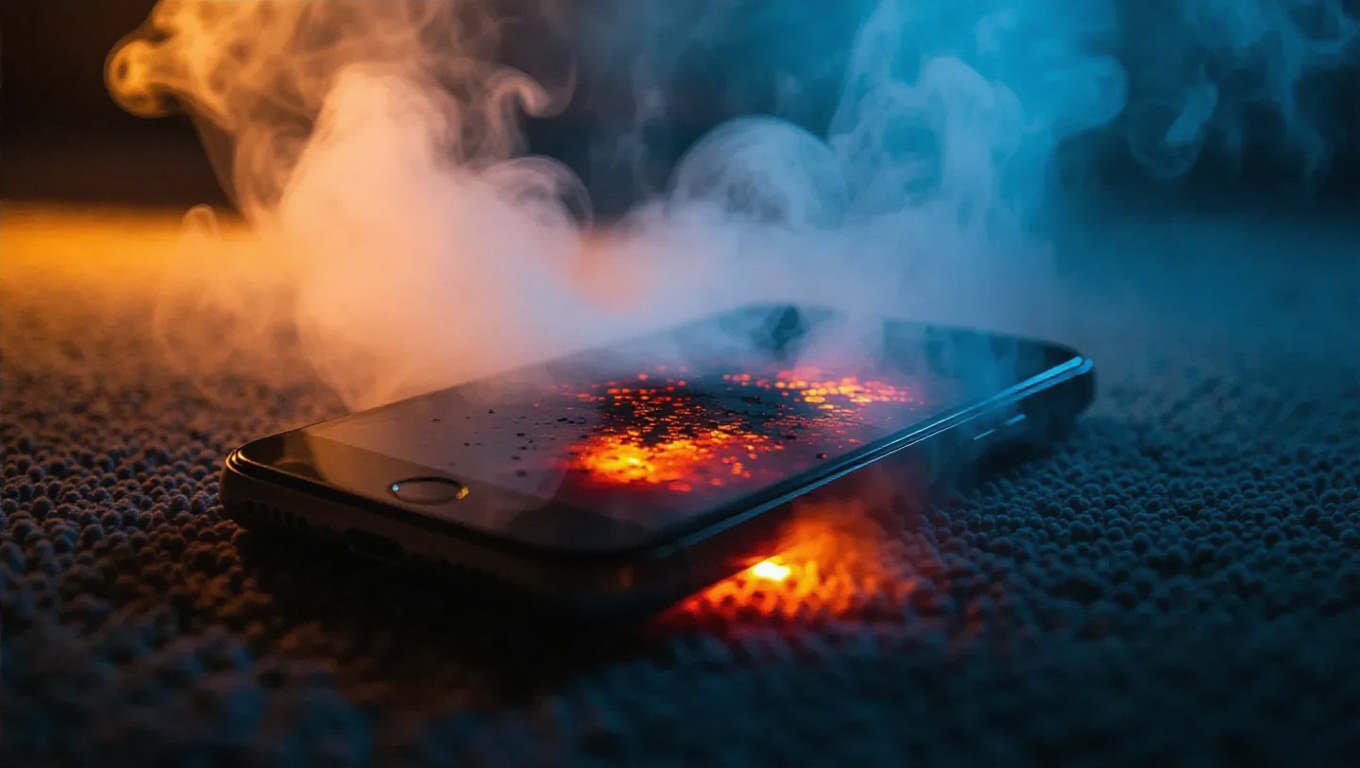
In November 2025, a Galaxy S25+ owned by a user in Indiana, USA, exploded during overnight charging using Samsung's official charger and cable. The device was approximately two months old at the time. The explosion resulted in a small fire that burned the carpet and released toxic lithium-ion battery fumes into the home. Both the device owner and their partner reportedly inhaled these fumes, leading to short-term respiratory symptoms that required medical attention.
The local fire department investigated the incident and documented it as a "thermal runaway event"—a term describing uncontrolled battery overheating that can lead to fire or explosion. The users provided Samsung with this official report, along with medical records and purchase receipts for the phone and accessories, as part of their claim for damages.
Samsung's Investigation and Settlement Offer
After nearly two months of investigation, Samsung concluded its review and admitted liability for the hardware failure and resulting physical damages. The company has agreed to reimburse the costs of the Galaxy S25+, direct medical expenses, and cleaning/restoration costs for the affected area of the home. Additionally, Samsung's insurance division offered $500 each to the device owner, their partner, and their child as compensation for "pain and suffering" related to the incident.
User Dissatisfaction and Ongoing Concerns
The affected users have expressed significant dissatisfaction with Samsung's settlement offer, describing it as "an extreme lowball." They argue that the compensation fails to account for potential long-term health monitoring needs or the psychological trauma of experiencing a chemical fire in their home. The device owner's partner reportedly remains traumatized by the event and has developed a fear of charging phones.
This incident highlights broader concerns about lithium-ion battery safety in consumer electronics, particularly during charging cycles when thermal management is critical. While Samsung has acknowledged this specific failure, the case raises questions about whether current safety protocols and quality control measures are sufficient to prevent similar occurrences.
Conclusion
Samsung's admission of liability in the Galaxy S25+ explosion case represents a significant acknowledgment of product failure, but the dissatisfied response from affected users suggests compensation and accountability mechanisms may need reevaluation. As battery technology continues to advance in consumer electronics, manufacturers face increasing responsibility to ensure both hardware safety and appropriate responses when failures occur. This incident serves as a reminder of the potential risks associated with modern mobile devices and the importance of robust safety standards throughout the product lifecycle.