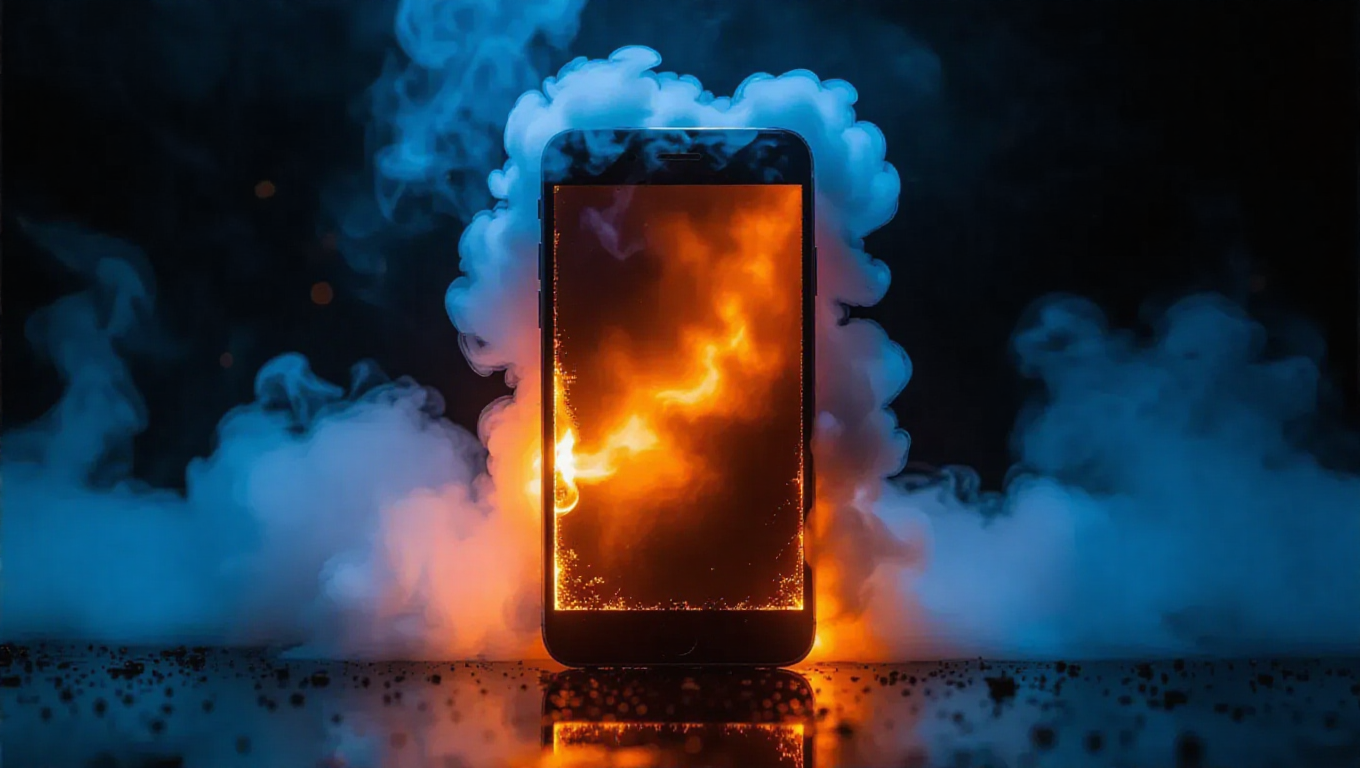
Samsung Accepts Responsibility for Galaxy S25 Plus Explosion Incident
Samsung has reportedly acknowledged liability in a case involving a Galaxy S25 Plus smartphone that experienced a catastrophic failure while charging. The incident, which occurred in November 2025, involved a two-month-old device that suffered what is described as a "thermal runaway event" at a residence in Indiana, USA.
The Incident and Samsung's Response
The affected user reports that Samsung has formally admitted liability for the explosion. According to available information, the company has agreed to comprehensive compensation covering multiple aspects of the incident. This includes reimbursement for the cost of the Galaxy S25 Plus device itself, medical expenses incurred as a result of the event, and cleanup costs associated with the aftermath of the explosion.
Beyond these direct costs, Samsung has reportedly offered additional compensation of $500 per person for pain and suffering related to the incident. This acknowledgment and compensation package suggest the company is taking responsibility for what appears to be a significant device failure.
Understanding Thermal Runaway Events
The incident was characterized as a "thermal runaway event," a term used to describe a situation where a battery enters an uncontrollable, self-heating state. Such events can lead to fire, explosion, or the release of hazardous materials. While modern smartphones incorporate multiple safety features to prevent such occurrences, they remain a concern across the electronics industry, particularly with lithium-ion batteries.
Thermal runaway can be triggered by various factors including manufacturing defects, physical damage to the battery, exposure to extreme temperatures, or charging system malfunctions. The specific cause in this Galaxy S25 Plus case has not been publicly detailed, but Samsung's admission of liability suggests the company has identified responsibility on their end.
Industry Context and Consumer Implications
This incident occurs against a backdrop of heightened scrutiny around device safety, particularly concerning batteries and charging systems. While such events remain statistically rare given the billions of devices in use worldwide, they understandably raise consumer concerns about product safety.
Samsung's reported decision to admit liability and provide comprehensive compensation represents a notable approach to handling such incidents. It contrasts with some historical cases in the tech industry where companies have initially resisted responsibility for device failures. The company's response may reflect both legal considerations and a strategic approach to maintaining consumer trust in their premium smartphone lineup.
Conclusion
Samsung's reported admission of liability in the Galaxy S25 Plus explosion case represents a significant development in consumer electronics safety. While the specific technical cause remains undisclosed, the company's comprehensive compensation package—covering device replacement, medical costs, cleanup, and pain and suffering—suggests a full acknowledgment of responsibility. This incident serves as a reminder of the ongoing challenges in ensuring absolute safety in complex electronic devices, even as manufacturers implement increasingly sophisticated protection systems. For consumers, it underscores the importance of using manufacturer-approved charging equipment and being aware of device safety guidelines, while also highlighting that responsible manufacturers will address significant failures when they occur.