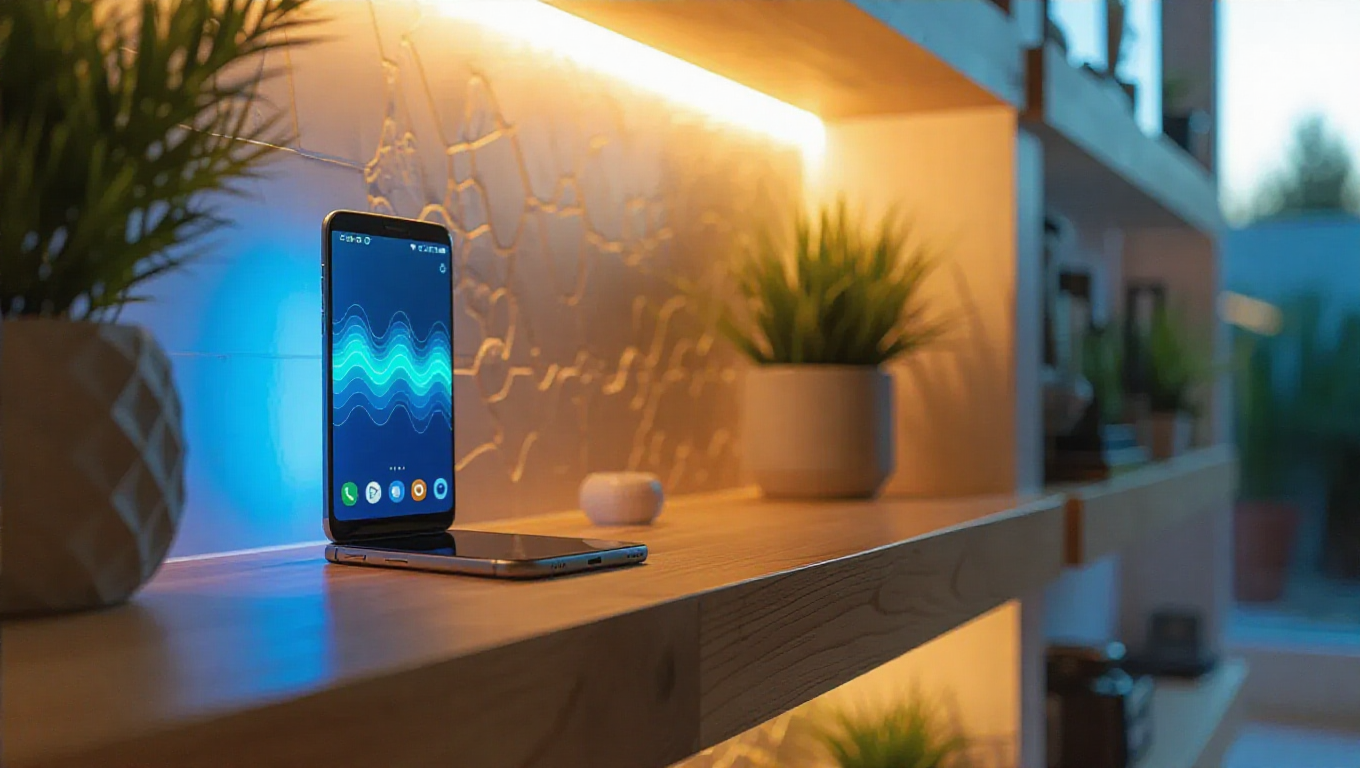
Repurposing Old Android Phones as Home Sound Sensors: A Practical Guide
As smartphone upgrade cycles accelerate, many households accumulate unused Android devices that still possess significant functionality. While repurposing these phones as security cameras has been a common suggestion, alternative applications may offer more practical benefits for home automation enthusiasts.
Beyond Security Cameras: The Sound Sensor Alternative
Recent discussions in the tech community have highlighted that using old Android phones as security cameras may not represent the most effective utilization of these devices. The constant video streaming and storage requirements can strain both the aging hardware and home networks, while privacy concerns remain significant for many users.
Instead, transforming these devices into sound sensors presents a compelling alternative. Modern smartphones contain sophisticated microphones capable of detecting a wide range of audio frequencies, making them surprisingly effective for various monitoring applications. This approach leverages existing hardware without requiring additional purchases, creating an affordable entry point into home automation.
Practical Applications for Home Sound Monitoring
Sound sensors created from old Android phones can serve multiple purposes within a smart home ecosystem. They can detect specific audio patterns, such as smoke alarms, breaking glass, or unusual activity when homeowners are away. Some users configure these sensors to monitor for particular sounds like crying babies, barking dogs, or running water, triggering notifications or automated responses.
The versatility extends to integration with other smart home devices. When connected to automation platforms, sound-triggered events can activate lights, send alerts, or record audio clips for later review. This creates a responsive environment that adapts to auditory cues without constant human intervention.
Implementation Considerations and Best Practices
Successfully implementing an Android phone as a sound sensor requires attention to several factors. Positioning the device strategically ensures optimal audio capture while minimizing false positives from ambient noise. Power management becomes crucial, as continuous operation demands either permanent charging solutions or careful battery monitoring.
Privacy should remain a primary concern when deploying audio monitoring systems. Clear communication with household members about the sensor's purpose and capabilities helps maintain trust. Additionally, implementing appropriate data handling practices ensures recorded audio doesn't become a security vulnerability.
Conclusion: Sustainable Tech Repurposing
Transforming old Android phones into sound sensors represents a practical approach to extending device lifespan while enhancing home functionality. This application leverages existing technology in innovative ways, reducing electronic waste and providing cost-effective home monitoring solutions. As smart home ecosystems continue to evolve, such creative repurposing of consumer electronics demonstrates how sustainability and technological advancement can progress together.
The approach offers particular value for those beginning their smart home journey, providing sophisticated monitoring capabilities without significant investment. With proper implementation, these repurposed devices can contribute meaningfully to home security, automation, and peace of mind.