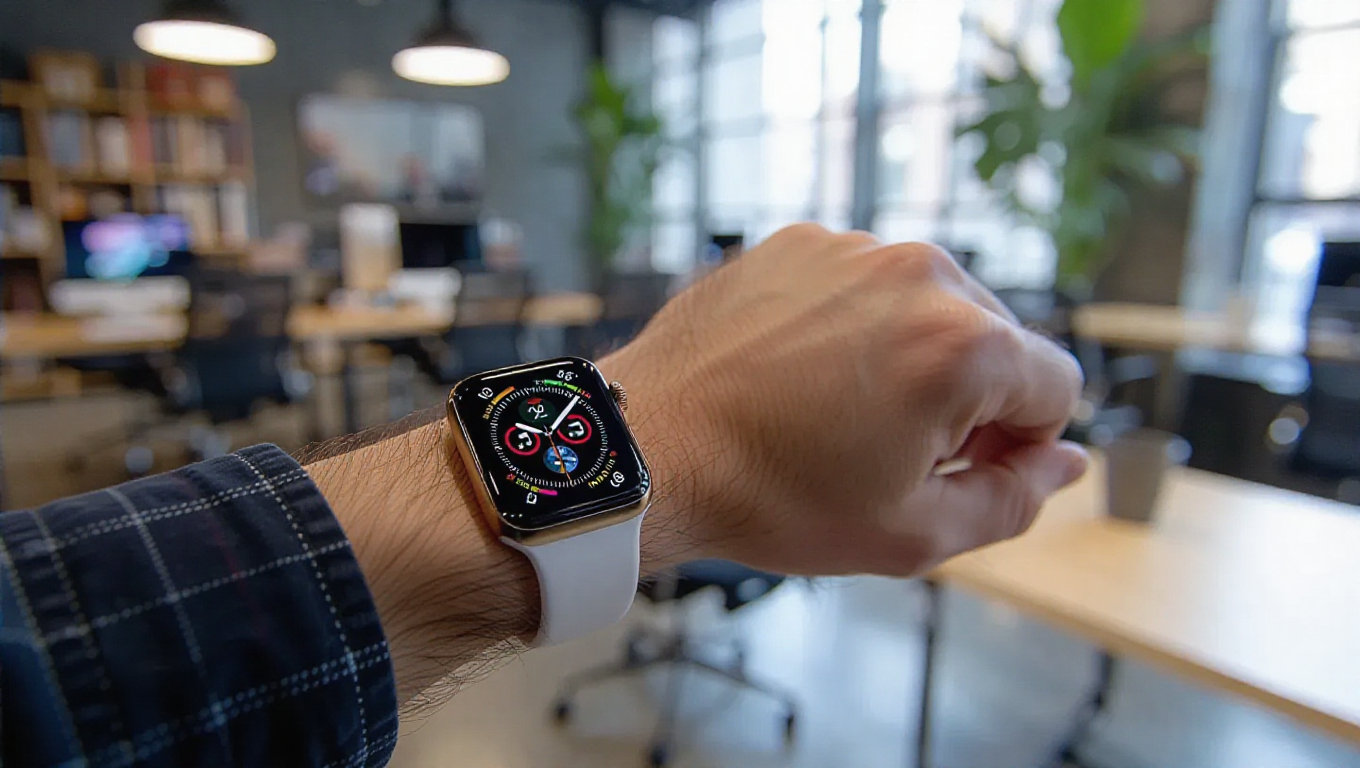
Rediscovering the Apple Watch: Why Returning After Two Years Feels Like a Revelation
For many tech enthusiasts, smartwatches have evolved from niche gadgets to essential companions. Yet, some users step away, only to return later and find a transformed experience. After a two-year hiatus from wearing any smartwatch full-time, re-engaging with the Apple Watch has proven surprisingly compelling, highlighting advancements that make it feel less like a distraction and more like a seamless extension of daily life.
The Evolution of Smartwatch Utility
Initially, smartwatches were often criticized for being overly intrusive—another screen demanding attention on the wrist. This perception led some, including analog watch enthusiasts, to view them as unnecessarily nerdy or cyborg-like. However, time away from the category allows for a fresh perspective. Upon returning, the Apple Watch demonstrates significant strides in balancing functionality with discretion. Features like health monitoring and notifications are now more intuitive, reducing the feeling of constant digital intrusion.
Health and Fitness Integration
One of the most notable improvements is in health and fitness tracking. Reports indicate that the Apple Watch has expanded its capabilities beyond basic step counting to include advanced metrics like blood oxygen monitoring, ECG readings, and sleep analysis. These tools provide actionable insights without requiring constant user input, making health management more passive and integrated. For someone reacquainting with the device, this shift from active to passive tracking feels less burdensome and more supportive of long-term wellness goals.
Seamless Ecosystem Synergy
The Apple Watch's integration with the broader Apple ecosystem has also matured. Pairing with iPhones, Macs, and other devices is now smoother, with features like handoff and continuity working more reliably. This cohesion reduces friction in daily tasks, such as receiving calls, checking messages, or controlling smart home devices. After years away, this seamless interaction underscores how the watch has evolved from a standalone gadget to a central hub within a connected lifestyle.
Refined User Experience
User experience refinements are another key factor. The interface is more responsive, with faster app launches and smoother animations. Battery life improvements, while incremental, contribute to a more dependable daily use. Additionally, customization options through watch faces and complications allow for a personalized setup that prioritizes relevant information, minimizing clutter. These tweaks collectively enhance usability, making the device feel more polished and less like a work in progress.
Conclusion: A Compelling Comeback
Returning to the Apple Watch after a prolonged break reveals a device that has quietly matured into an indispensable tool. What once felt like an attention-grabbing screen now operates as a subtle, supportive companion. Advances in health tracking, ecosystem integration, and user experience have addressed earlier criticisms, transforming the smartwatch from a novelty into a practical asset. For those who stepped away, this evolution might just be the reason to reconsider—and perhaps, not look back again.