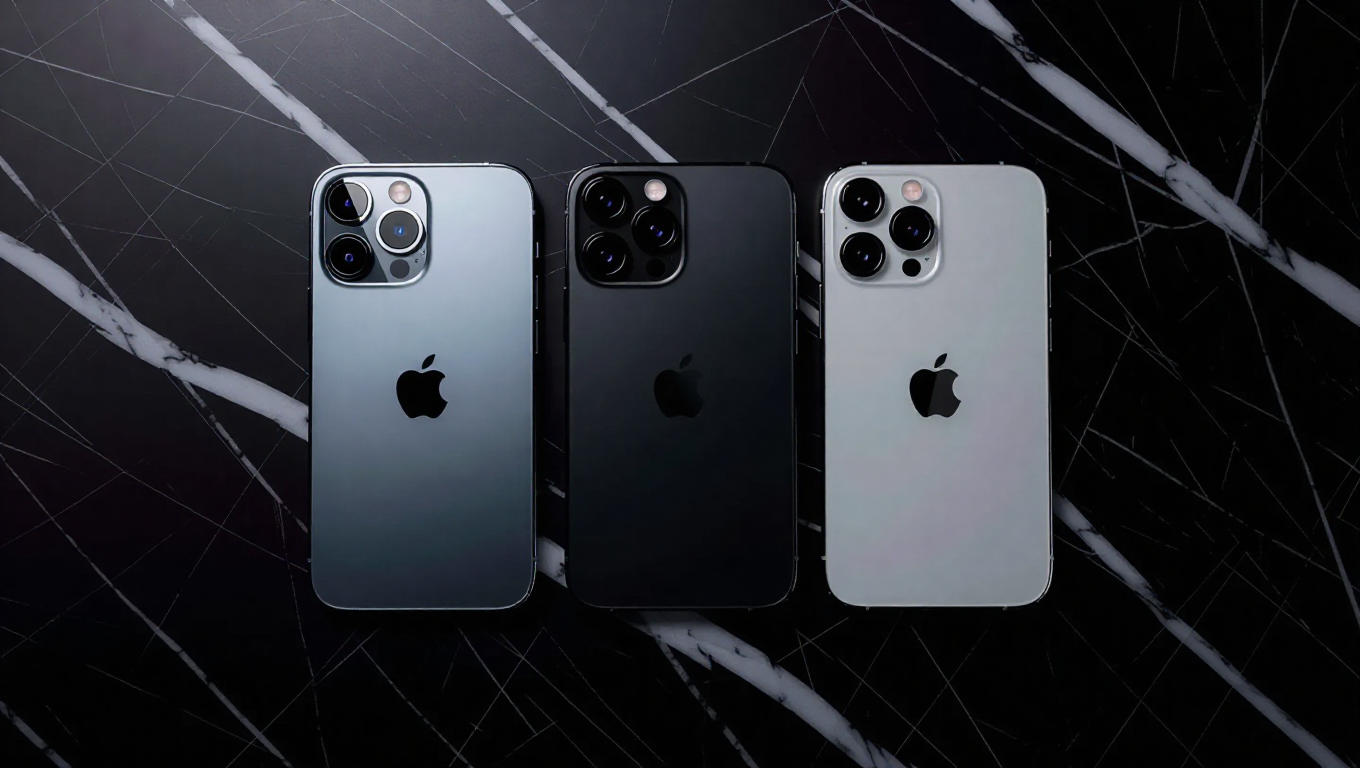
Pro Cameraphone Showdown: Honor Magic8 Pro vs Oppo Find X9 Pro vs Vivo X300 Pro
In the competitive landscape of high-end smartphones, the "Pro" designation often signifies a focus on advanced camera capabilities. This comparison pits three notable contenders against each other: the Honor Magic8 Pro, Oppo Find X9 Pro, and Vivo X300 Pro. These devices represent a more internationally accessible selection compared to some region-specific ultra-flagships, making this analysis particularly relevant for a global audience.
Camera Hardware Overview
All three phones feature a triple-camera array on the rear, avoiding the dual-telephoto configurations seen in some ultra models. The main cameras share similarities, with sensors around 1/1.3" in size, focal lengths of 23-24mm, and apertures between f/1.5 and f/1.6. Notably, none include variable apertures or the larger 1.0"-type sensors found in some competitors.
The ultrawide cameras show more variation. The Oppo Find X9 Pro and Vivo X300 Pro use similar 50MP sensors with 15mm-equivalent lenses. The Honor Magic8 Pro also has a 50MP sensor but with a significantly wider 12mm lens, which may impact field of view. All three ultrawide cameras support autofocus.
Telephoto capabilities are where differences become more pronounced. All three utilize 200MP sensors, but the Honor and Vivo models feature larger 1/1.4" sensors compared to the Oppo's 1/1.56" unit. The Oppo's periscope lens has a 70mm focal length with an f/2.1 aperture, while the Honor and Vivo offer 85mm lenses with f/2.6-f/2.7 apertures.
On the front, all three devices are equipped with 50MP selfie cameras with wide lenses. However, the Honor Magic8 Pro lacks autofocus on its front camera, which could be a disadvantage in certain shooting scenarios compared to the Oppo and Vivo models.
Imaging Performance Considerations
The hardware differences suggest varied approaches to mobile photography. The wider ultrawide lens on the Honor Magic8 Pro may appeal to users who prioritize expansive landscape or architectural shots. The larger telephoto sensors on the Honor and Vivo models could potentially offer better low-light performance or detail retention in zoomed images, though the Oppo's brighter aperture might compensate in some conditions.
Video capabilities appear consistent across all three devices, with 4K60 recording supported on the ultrawide cameras. The overall imaging experience will likely depend on how each manufacturer's software processing complements the hardware differences.
Conclusion
The Honor Magic8 Pro, Oppo Find X9 Pro, and Vivo X300 Pro present three distinct interpretations of what a "Pro" cameraphone should be. While they share fundamental similarities in their triple-camera setups, meaningful differences in sensor sizes, focal lengths, and features like front-camera autofocus create varied propositions for photography enthusiasts. The Honor offers the widest ultrawide perspective, the Oppo provides a brighter telephoto option, and the Vivo shares telephoto sensor advantages with the Honor. Ultimately, the choice between these devices may come down to which specific camera capabilities align best with individual photographic needs and preferences.