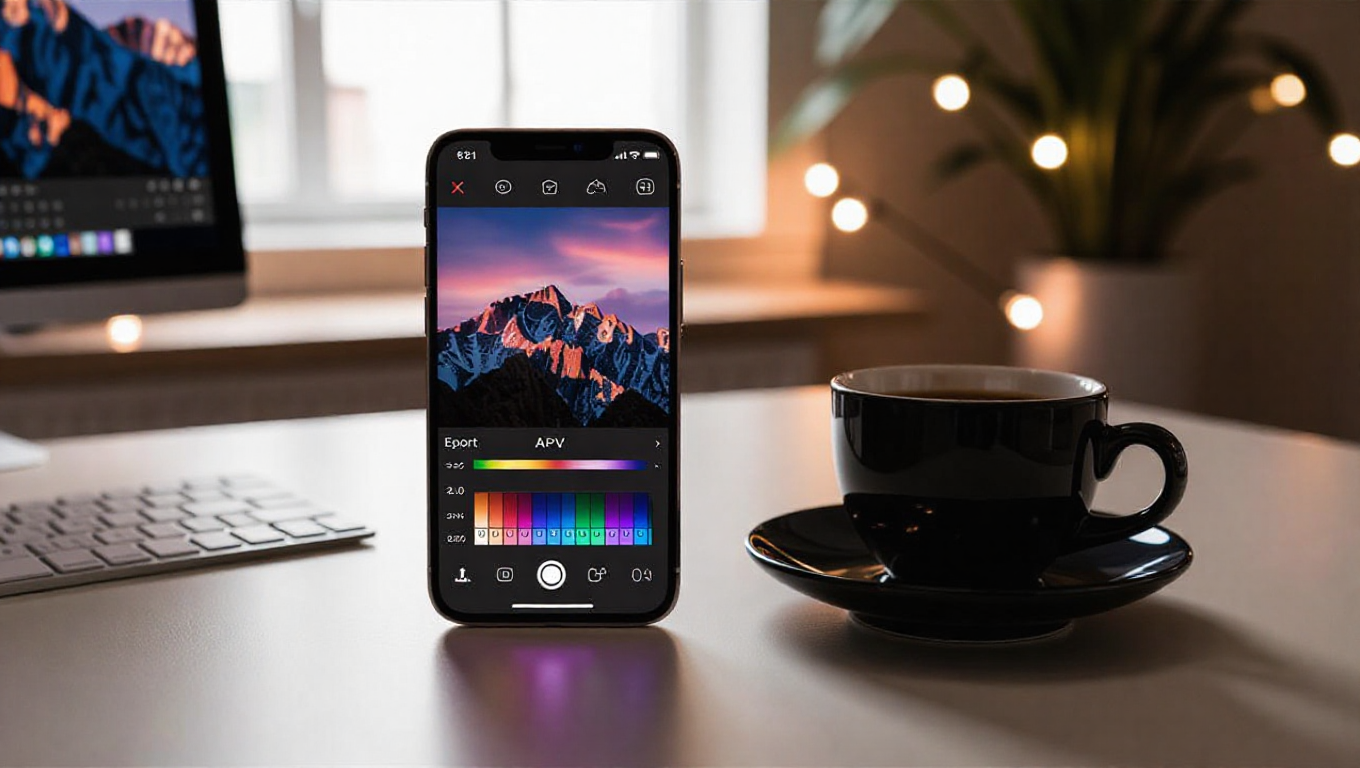
Popular Video Editor LumaFusion Adds Samsung APV Codec Support Before Galaxy S26 Launch
In a significant move for mobile video creators, the professional video editing application LumaFusion has integrated support for Samsung's Advanced Professional Video (APV) codec. This update arrives just as anticipation builds for Samsung's next flagship smartphone series, positioning the ecosystem for high-end mobile video production.
APV Support Arrives in LumaFusion 2.5
The latest version of LumaFusion, 2.5, now allows users on Android phones and tablets to export their edited projects directly in the APV format. Samsung's APV codec is designed as a direct competitor to Apple's ProRes, aiming to deliver superior video quality and enhanced flexibility for post-production work. The timing of this software update is notable, landing approximately a month before the expected unveiling of the Galaxy S26 series. These new smartphones are anticipated to be the first devices from Samsung to offer native APV video recording, creating a seamless workflow from capture to edit for professional users and enthusiasts.
Beyond the core APV addition, the LumaFusion update introduces several practical workflow enhancements. New options like 'Find Selected Clip in Library' and 'Find Selected Clip in Timeline' help editors quickly navigate complex projects. The process of adding transitions has also been streamlined, with new capabilities allowing users to apply head and tail transitions to a single clip, add transitions to multiple selected clips simultaneously, and use a simple double-tap gesture.
The Power of Samsung's APV Codec
Samsung's Advanced Professional Video codec represents a modern approach to video compression. It is a perceptually lossless standard, meaning it maintains cinema-quality video while reportedly using around 20% less storage space compared to other high-efficiency codecs like HEVC. This efficiency is a major advantage for creators working with large 4K and 8K video files on mobile devices with limited storage.
The technical benefits of APV extend beyond compression. It supports high dynamic range (HDR), color depths from 10-bit to 16-bit for richer gradients, and intra-frame encoding, which makes individual frames easier to edit independently. This feature set is tailored for professional post-production, allowing for more precise color grading and effects. The Qualcomm Snapdragon 8 Elite Gen 5 processor was the first mobile chipset announced with support for the APV codec, and native support was integrated into the Android operating system itself with Android 16. This system-level integration enables Android devices to offer professional-grade video features that were once primarily associated with high-end iPhones.
Conclusion: A Maturing Mobile Video Ecosystem
The addition of APV support to LumaFusion, following similar integration in other professional editing apps, signals a maturing of the high-end mobile video creation landscape on Android and specifically within the Samsung Galaxy ecosystem. By ensuring that powerful editing software can handle the APV format before the hardware capable of recording it even launches, Samsung and its partners are building a cohesive professional workflow. For videographers and content creators invested in the Android platform, these developments promise a future where capturing, editing, and exporting broadcast-quality video is fully achievable on a smartphone, reducing reliance on bulky desktop setups and streamlining the creative process from start to finish.