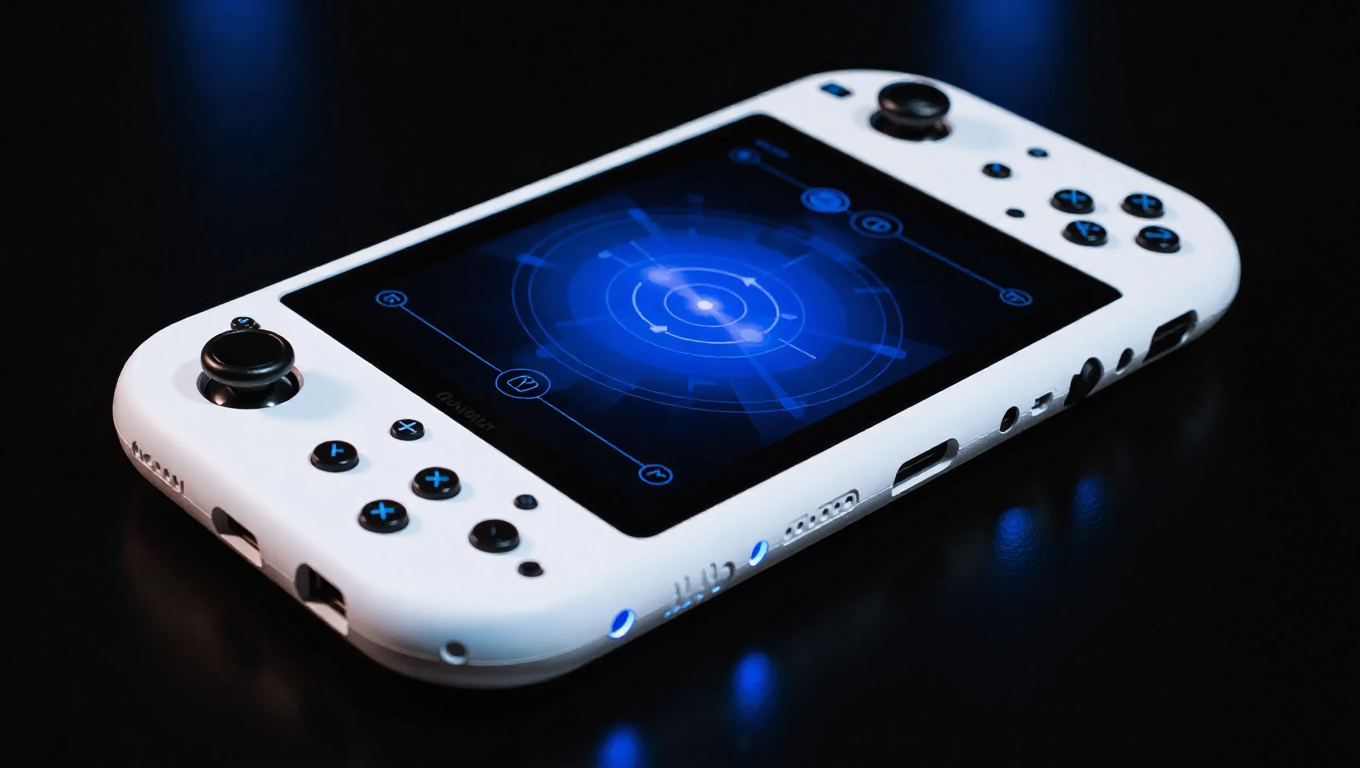
The Massive Pocket Max Adds a Modular Twist We Haven’t Seen on Android Handhelds Before
The landscape of Android gaming handhelds is about to get a significant upgrade with the introduction of the Pocket Max, a device that promises to blend large-screen immersion with an innovative, customizable control scheme. While details are still emerging, the handheld is shaping up to be a notable contender in the budget-friendly segment, primarily due to one standout feature: modular magnetic buttons.
A First for Android: Modular Magnetic Controls
The most compelling aspect of the Pocket Max is its implementation of modular magnetic buttons. Footage has demonstrated removable button modules that attach magnetically, allowing users to potentially swap out components for different gaming experiences. This concept of modular controls has appeared previously on Windows-based handhelds, such as the AYANEO 3, but its arrival on an Android device marks a significant first for the platform. This design could offer enhanced versatility, letting gamers tailor the control layout to specific genres or personal preferences, a feature typically reserved for higher-end or PC-focused devices.
Specifications and Market Position
Beyond its modular twist, the Pocket Max is defined by its substantial form factor and capable internals. It is reported to feature a large 7-inch display with a 144Hz refresh rate and OLED technology, which should deliver smooth, vibrant visuals ideal for both modern and retro gaming. Powering the device is the Qualcomm Snapdragon 865 processor, a chipset known for its strong performance and efficiency, suggesting the handheld will handle a wide range of Android games and emulators competently. Positioned as a budget-friendly option, the Pocket Max appears to target gamers seeking a premium screen experience and novel customization without a premium price tag, filling a unique niche in the growing Android handheld market.
Implications for the Handheld Gaming Segment
The introduction of modular controls on an Android handheld could signal a shift toward greater user customization and hardware innovation in the segment. By adopting a feature pioneered in more expensive Windows handhelds, the Pocket Max challenges the notion that advanced modularity is exclusive to high-end devices. This move may encourage other manufacturers to explore similar customizable designs, potentially leading to a new wave of adaptable gaming hardware. For consumers, it represents an exciting step toward handhelds that are not just powerful, but personally configurable.
Conclusion
The Pocket Max stands out as an ambitious entry in the Android handheld space, combining a large, high-refresh-rate OLED display with the groundbreaking addition of modular magnetic buttons. While its Snapdragon 865 processor ensures solid performance, its true innovation lies in offering customizable controls—a first for Android gaming devices. As the handheld market continues to evolve, the Pocket Max exemplifies how budget-friendly devices can incorporate advanced features, potentially setting a new standard for user personalization and hardware flexibility in mobile gaming.