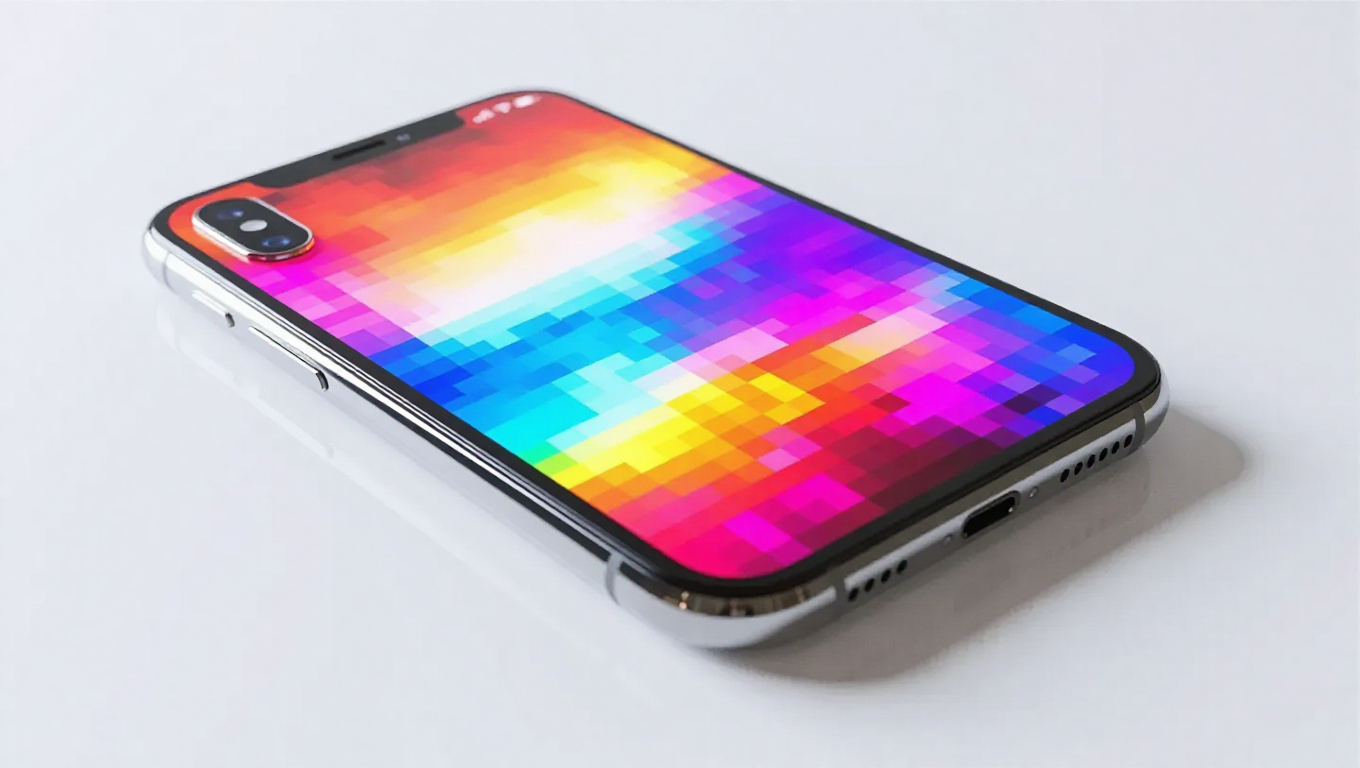
Pixelated 089: Examining the Pixel 10a's Familiar Design and Smartphone Innovation Cycles
The latest episode of a popular tech podcast delves into the recently discussed Pixel 10a, a device whose incremental updates have sparked broader conversations about the pace of smartphone innovation. While the phone maintains Google's signature software experience, its evolutionary rather than revolutionary approach raises questions about industry development cycles.
The Pixel 10a: An Iterative Approach
The Pixel 10a appears to follow a familiar pattern in the smartphone market, offering refinements rather than groundbreaking changes from its predecessor. Analysis suggests the device focuses on subtle improvements rather than introducing significant new features, leading some observers to question the value of such incremental updates. The "a" designation, typically indicating a more affordable variant, seems particularly apt given the device's conservative evolution.
Despite the modest hardware changes, the Pixel 10a reportedly maintains Google's strengths in computational photography and clean Android implementation. The device continues the Pixel series' tradition of offering a polished software experience, even as its physical design and core specifications show minimal deviation from previous models.
Questioning Smartphone Development Cycles
The discussion around the Pixel 10a extends beyond this specific device to broader industry patterns. Some analysts are asking whether smartphone manufacturers should consider longer intervals between generational releases. The current annual update cycle often results in marginal improvements that may not justify the environmental impact, consumer expense, or development resources required.
This conversation comes amid growing consumer awareness of planned obsolescence and sustainability concerns in the tech industry. While manufacturers face pressure to deliver regular updates to maintain market presence, there's increasing recognition that truly meaningful innovation might require more development time between product generations.
Future Directions and Industry Implications
The Pixel 10a discussion coincides with anticipation around upcoming Google developer events and emerging technologies like Android-powered wearable displays. These parallel developments highlight the tension between incremental smartphone updates and more transformative technologies that could redefine personal computing.
Industry observers note that while smartphones remain essential devices, their evolution has slowed considerably compared to the rapid advancements of the past decade. This maturation phase may necessitate new approaches to product development, marketing, and consumer expectations.
Conclusion: Balancing Innovation and Practicality
The Pixel 10a represents both the strengths and limitations of current smartphone development approaches. While it delivers a reliable, polished experience for users invested in the Pixel ecosystem, its incremental nature prompts legitimate questions about industry practices. As consumers become more discerning and environmental considerations gain importance, manufacturers may need to reconsider whether annual release cycles still serve their original purpose of driving meaningful innovation.
The conversation sparked by this device suggests we may be approaching an inflection point in smartphone development, where the industry must balance commercial pressures with more sustainable and genuinely innovative approaches to product evolution.