Pixelated 081: Gemin-eyes - A Glimpse into Android XR and Wear OS Evolution
In the latest installment of a popular tech podcast, the focus shifts to the frontier of wearable technology and operating system design. The episode delves into hands-on experiences with emerging hardware and software, sparking conversations about the future direction of mobile and wearable platforms.
Android XR Glasses: A Surprisingly Promising Demo
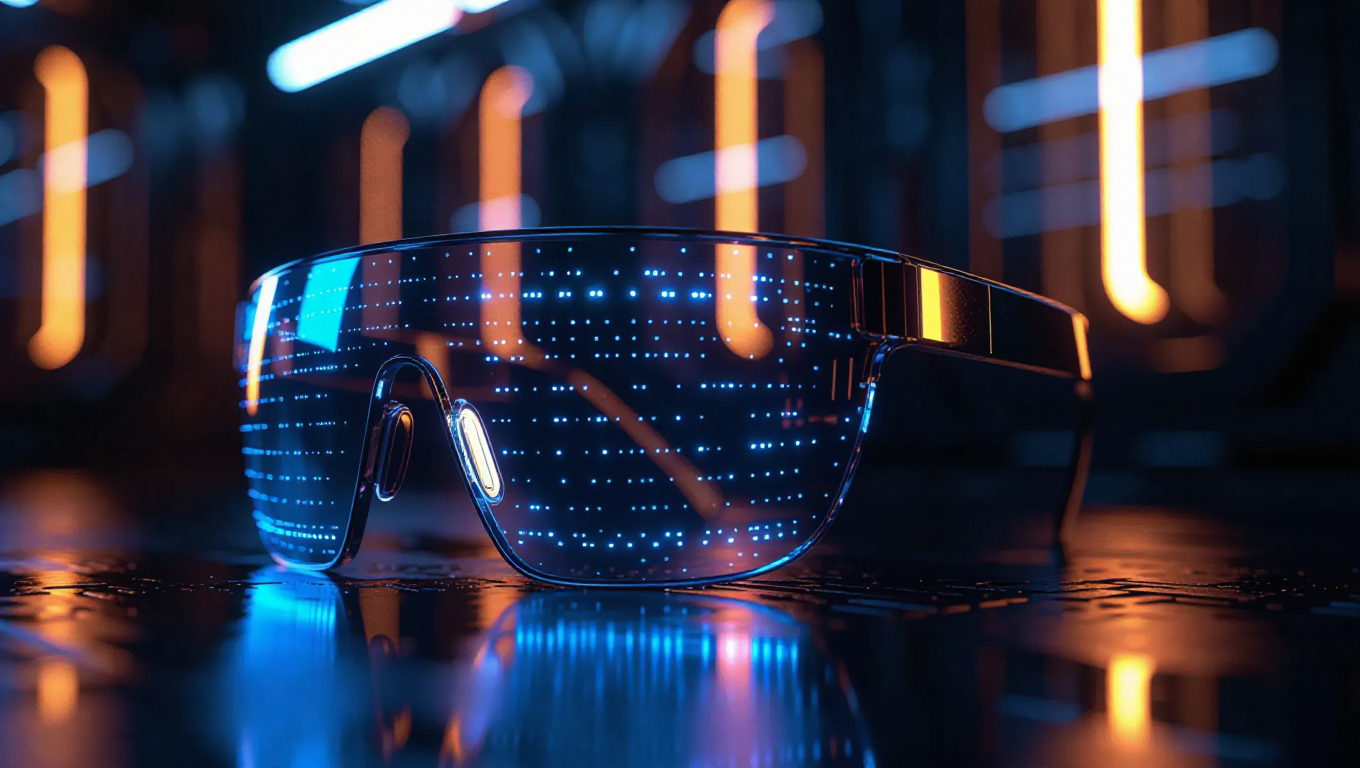
The central discussion revolves around early testing of glasses powered by Google's Android XR platform. The hosts described the demo as "surprisingly impressive," suggesting the technology has advanced significantly since earlier iterations like Google Glass. This positive hands-on experience raises the question of whether it's time for renewed excitement about smart glasses technology. The segment explores the potential applications and user experience implications of this developing platform, hinting at a possible resurgence of augmented reality wearables with more refined execution.
Wear OS Updates and Interface Trends
Beyond the XR hardware, the conversation extends to software evolution. The podcast covers new changes anticipated for Wear OS, Google's smartwatch platform. Additionally, the hosts examine the first beta of a major Android skin update, using it as a springboard to discuss broader design trends in the Android ecosystem. A pointed question emerges from this analysis: what explains the increasing visual and functional similarities between Android interfaces and Apple's iOS? This critique touches on the ongoing homogenization of mobile operating systems and what it means for user choice and platform identity.
Conclusion: Between Hardware Promise and Software Identity
This episode paints a picture of a tech landscape at an interesting crossroads. On one hand, hardware innovation in the XR space shows tangible promise, with early demos challenging skeptical preconceptions about smart glasses. On the other hand, the software layer, particularly in the Android sphere, appears to be converging in design language, raising questions about differentiation and originality. The discussion ultimately underscores the dynamic tension between forging new paths in wearable form factors and the subtle evolution—some might say imitation—occurring in the software that powers our devices. It leaves listeners pondering whether the next major leap will come from what we wear on our faces or from the icons on our screens.