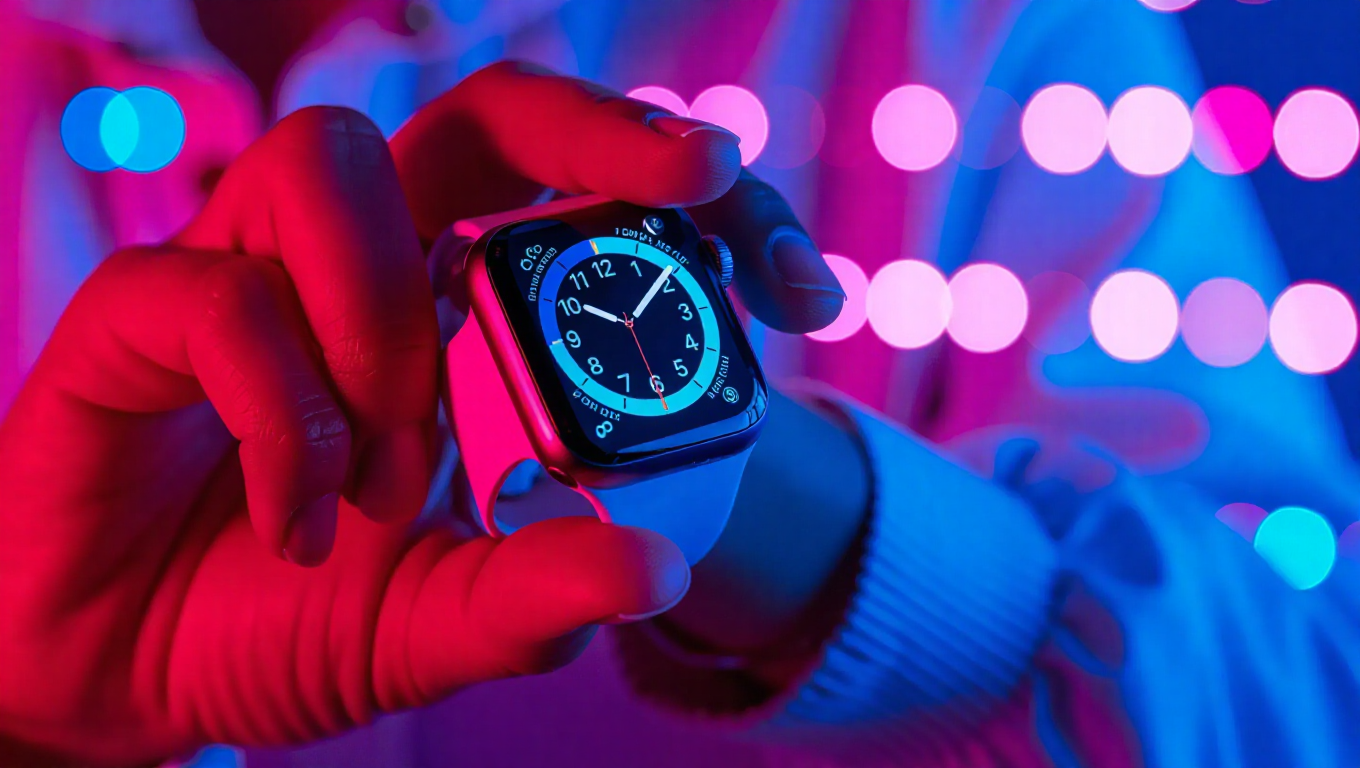
Pixel Watch 4's New Gestures: Innovation or Déjà Vu?
The latest Pixel Watch 4 update has introduced a set of one-handed gestures that promise to enhance usability for wearers. These new interactions allow users to perform common tasks without needing to touch the screen directly, potentially making the smartwatch more convenient during activities where hands are occupied. While these gestures are being welcomed for their practicality, they also invite comparison to gesture technology that Google explored years earlier.
A Decade of Gesture Evolution
The new gestures on the Pixel Watch 4 include pinch and swipe motions that can control notifications, answer calls, and navigate interfaces. Early impressions suggest they work reliably and feel intuitive once users adapt to them. However, this isn't Google's first foray into gesture-based interaction. Approximately ten years ago, the company was experimenting with similar concepts through projects like Google Glass and early Android implementations. Those earlier gestures, while less refined for mass consumer use, demonstrated many of the same principles of hands-free control that are now being marketed as innovative features on modern wearables.
What makes the current implementation notable is its integration into a mainstream consumer product with improved hardware sensors and software optimization. The Pixel Watch 4's gestures benefit from years of technological advancement in motion detection and machine learning algorithms. Yet the fundamental idea—using simple hand movements to interact with technology without physical contact—remains strikingly similar to what was envisioned years ago.
Practical Benefits vs. Historical Context
From a practical standpoint, the new gestures offer tangible benefits. Users can quickly dismiss notifications while holding items, control media playback during workouts, or answer calls when their other hand is occupied. These scenarios highlight how gesture controls can complement traditional touch and voice interactions on wearables. The implementation appears polished, with responsive detection that minimizes false triggers.
However, the historical context raises interesting questions about innovation cycles in technology. While the Pixel Watch 4's gestures represent an improvement in execution, they don't fundamentally reinvent how we interact with devices. Instead, they refine and productize concepts that have been in development for years. This pattern—where companies revisit old ideas with new technology—is common in the tech industry, but it's particularly noticeable here given Google's long history with gesture research.
Conclusion
The Pixel Watch 4's new gestures are undoubtedly useful additions that enhance the smartwatch experience. They demonstrate thoughtful design and effective implementation that will likely appeal to users seeking more convenient ways to interact with their wearables. Yet their resemblance to Google's earlier gesture experiments serves as a reminder that true innovation often involves revisiting and refining past concepts rather than inventing entirely new paradigms. As wearable technology continues to evolve, the most successful features may be those that balance practical utility with lessons learned from previous attempts.