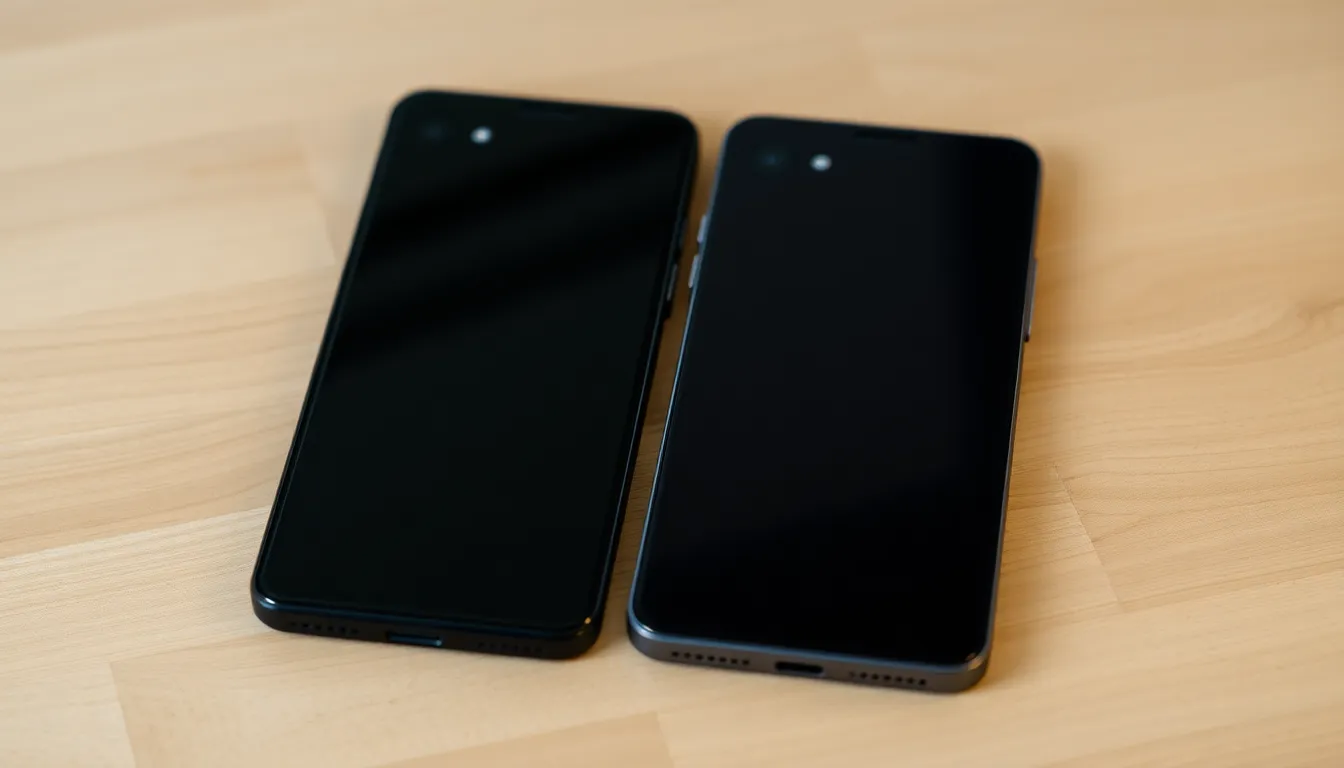
Pixel 10a vs Pixel 8a: The Smartest Move Might Be to Wait
Google's A-series smartphones have consistently delivered exceptional value, offering premium features at accessible price points. The success of previous models like the Pixel 9a demonstrated how effectively Google has perfected this formula, providing flagship-level performance and camera capabilities in devices priced under $500. With each new release, expectations naturally rise, anticipating either maintenance of this standard or meaningful improvements that justify upgrading.
Mixed Results for the Latest Entry
The Pixel 10a, however, presents a more complicated picture than its predecessors. While it continues the A-series tradition of bringing Google's signature software experience to a budget-friendly device, it makes several design and feature choices that may not appeal to everyone. For users currently owning the Pixel 8a, the new model doesn't represent a compelling enough upgrade to warrant immediate replacement.
The improvements offered by the Pixel 10a over the Pixel 8a appear to be incremental rather than transformative. Performance gains are modest, camera enhancements are subtle, and the overall user experience remains largely similar. This creates a situation where the value proposition becomes less clear-cut than with previous generational jumps in the A-series lineup.
Considerations for Current Pixel 8a Owners
For those already using the Pixel 8a, the decision becomes particularly nuanced. The device continues to receive software updates and performs reliably for most daily tasks. The camera system, while not the absolute latest, still delivers excellent results thanks to Google's computational photography expertise. Battery life remains competitive, and the overall build quality holds up well over time.
The marginal improvements in the Pixel 10a may not justify the cost of upgrading, especially when considering that the Pixel 8a will continue to receive support for the foreseeable future. This creates a strong argument for waiting until either more significant advancements appear in future models or until the Pixel 10a's price drops to a point where the incremental improvements become more compelling.
The Waiting Game Strategy
Smartphone purchasing decisions often involve timing considerations, and the Pixel 10a vs Pixel 8a comparison highlights why patience can be advantageous. By waiting, potential buyers can observe how the Pixel 10a performs in real-world usage over time, watch for potential price reductions, or even consider whether Google's next A-series offering might deliver more substantial improvements.
For those without an immediate need to upgrade, maintaining the Pixel 8a for another cycle could prove financially prudent while still enjoying a high-quality smartphone experience. The device continues to handle modern applications efficiently, captures excellent photos, and benefits from Google's ongoing software support.
Conclusion: Value Versus Timing
The Pixel 10a undoubtedly continues Google's tradition of offering capable smartphones at accessible prices. However, when compared directly with its immediate predecessor, the Pixel 8a, the case for immediate upgrading becomes less clear. The improvements are real but incremental, making the decision heavily dependent on individual circumstances and priorities.
For most users, particularly those already satisfied with their Pixel 8a, waiting appears to be the most strategic approach. This allows time for potential price adjustments, more comprehensive long-term reviews, and consideration of whether future models might offer more substantial reasons to upgrade. In the competitive budget smartphone market, timing can be as important as the specifications themselves, and in this case, patience may indeed be the smartest move.