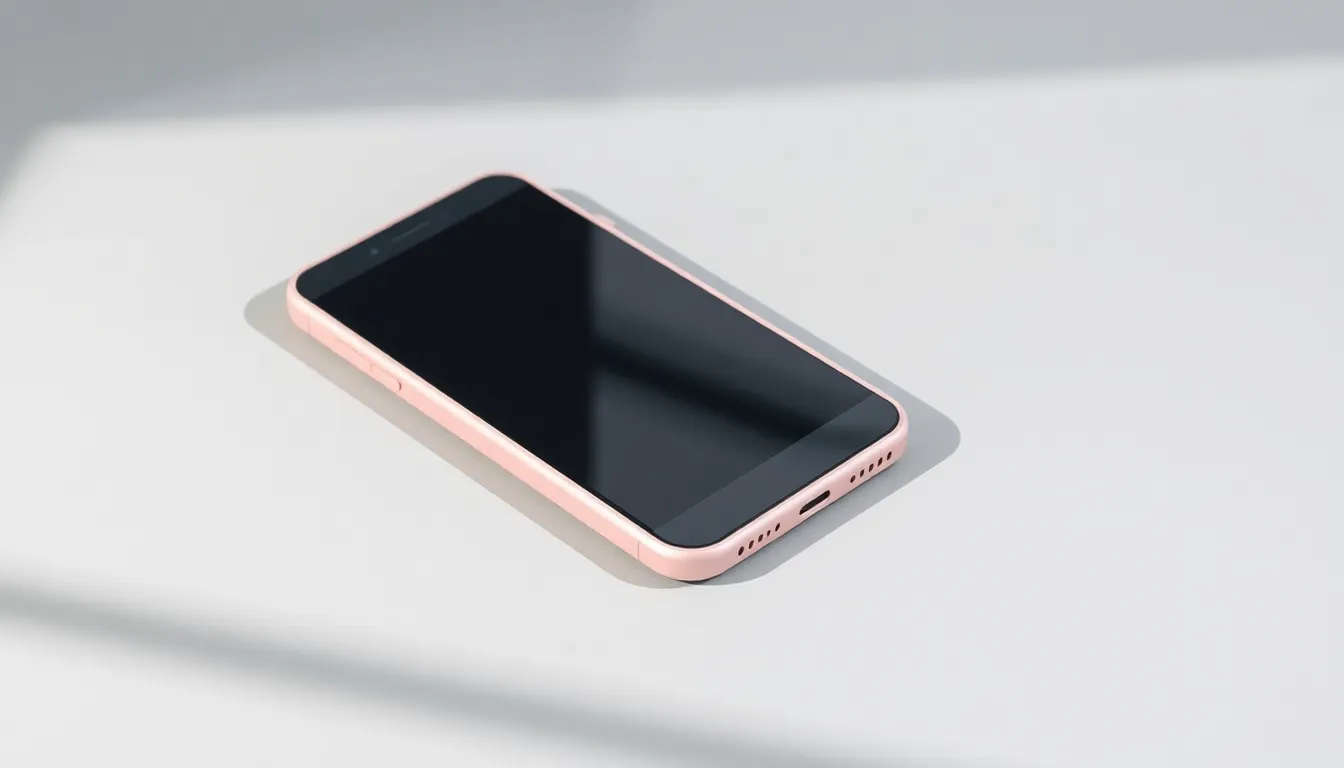
Pixel 10a vs 9a: Same Processor, Key Advantage Explained
Google's budget-friendly A-series Pixel phones have consistently offered a compelling blend of software experience and camera quality. The latest model, the Pixel 10a, appears to follow this tradition while making a notable hardware choice regarding its processing power.
Processor Parity with the Predecessor
The Pixel 10a is not equipped with Google's latest flagship processor, the Tensor G5. Instead, it utilizes the Tensor G4 chipset, which powered the previous year's Pixel 9 series, including the Pixel 9a. This means the new budget model offers processing performance that is, on paper, identical to its direct predecessor. Benchmark tests, such as GeekBench 6, confirm this performance parity, showing the 10a delivers similar CPU performance to the 9a. The Tensor G4 remains a capable chip for everyday tasks, having served as a flagship-tier processor just a year prior.
The Defining Advantage
While the core processing power remains unchanged, the Pixel 10a is reported to hold a clear advantage over the Pixel 9a in another critical area. This advantage is significant enough to potentially make the newer model the more appealing choice for users, despite the shared silicon. The specific nature of this benefit relates to a hardware or feature upgrade that was not present in the previous generation's budget offering.
Balancing Act for the Budget Segment
This strategy highlights the balancing act manufacturers perform in the competitive budget smartphone segment. By carrying over a proven, capable processor like the Tensor G4, Google can likely manage production costs for the Pixel 10a. The savings realized here can then be allocated to enhance other aspects of the device, whether that be display technology, battery capacity, camera sensors, or build materials. This approach allows the 10a to offer a tangible upgrade over the 9a without a corresponding increase in raw computational power, focusing the value proposition on user experience improvements elsewhere.
Conclusion
The Pixel 10a's use of the Tensor G4 processor positions it as an iterative update in terms of pure speed, matching the performance of the Pixel 9a. However, this decision is part of a broader product strategy. The phone's key selling point lies not in a faster chip, but in the specific advantage it gains over its predecessor, making it a potentially more well-rounded device for its price point. For consumers, the choice may come down to whether this new feature or hardware improvement outweighs the desire for the latest processing technology.