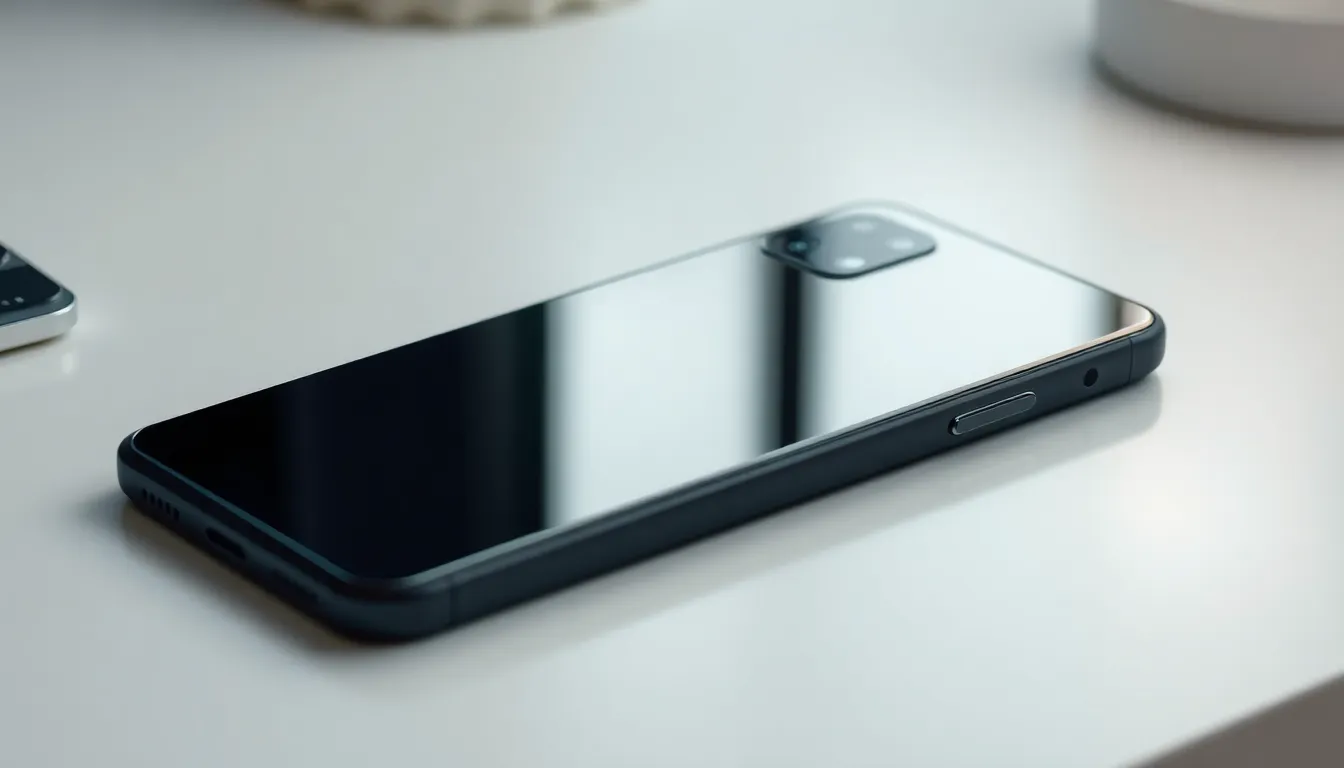
Pixel 10a's Tensor G4 Processor: A Balanced Assessment
The Google Pixel 10a has arrived, and with it comes a notable departure from the company's typical release pattern. Instead of featuring the latest silicon, this affordable model is powered by the Tensor G4 processor—the same chip found in last year's Pixel 9 series. This decision marks a significant shift in strategy for Google's budget offerings, raising questions about performance expectations and overall value.
A Shift in Strategy
Historically, new Pixel releases, even in budget segments, have often introduced updated processors. The Pixel 10a's use of the Tensor G4 breaks this tradition, signaling a move away from business-as-usual for Google's affordable lineup. While this might initially seem like a step backward, it's important to consider the context. The Tensor G4 is a capable chip that delivered solid performance in the Pixel 9 flagships and the Pixel 9a, suggesting that the Pixel 10a isn't necessarily underpowered.
Performance Implications
Early assessments indicate that the Tensor G4 in the Pixel 10a provides adequate performance for everyday tasks. It handles typical smartphone functions—such as web browsing, social media, and multimedia consumption—without significant issues. However, it doesn't offer the leap in speed or efficiency that might be expected from a newer processor. This places the Pixel 10a in a middle ground: it's not disappointing, but it doesn't generate excitement either. The chip's performance is sufficient, yet unremarkable, leaving room for other features to define the device's appeal.
Broader Considerations
The decision to reuse the Tensor G4 may reflect Google's focus on other aspects of the Pixel 10a, such as camera capabilities, software enhancements, or battery life. By not investing in a new chip, the company could allocate resources elsewhere, potentially offering a better overall package at a lower price point. This approach suggests that the processor alone shouldn't deter potential buyers. Instead, the Pixel 10a's value should be evaluated holistically, considering its full suite of features and how they align with user needs.
Conclusion
The Pixel 10a's Tensor G4 processor represents a pragmatic, if uninspiring, choice. It breaks from Google's usual pattern but doesn't fundamentally compromise the device. While it may not thrill tech enthusiasts seeking cutting-edge performance, it likely supports a competent smartphone experience. Ultimately, the Pixel 10a's success will depend on how well its other features compensate for the reused chip, making it a device that warrants consideration beyond its processor alone.