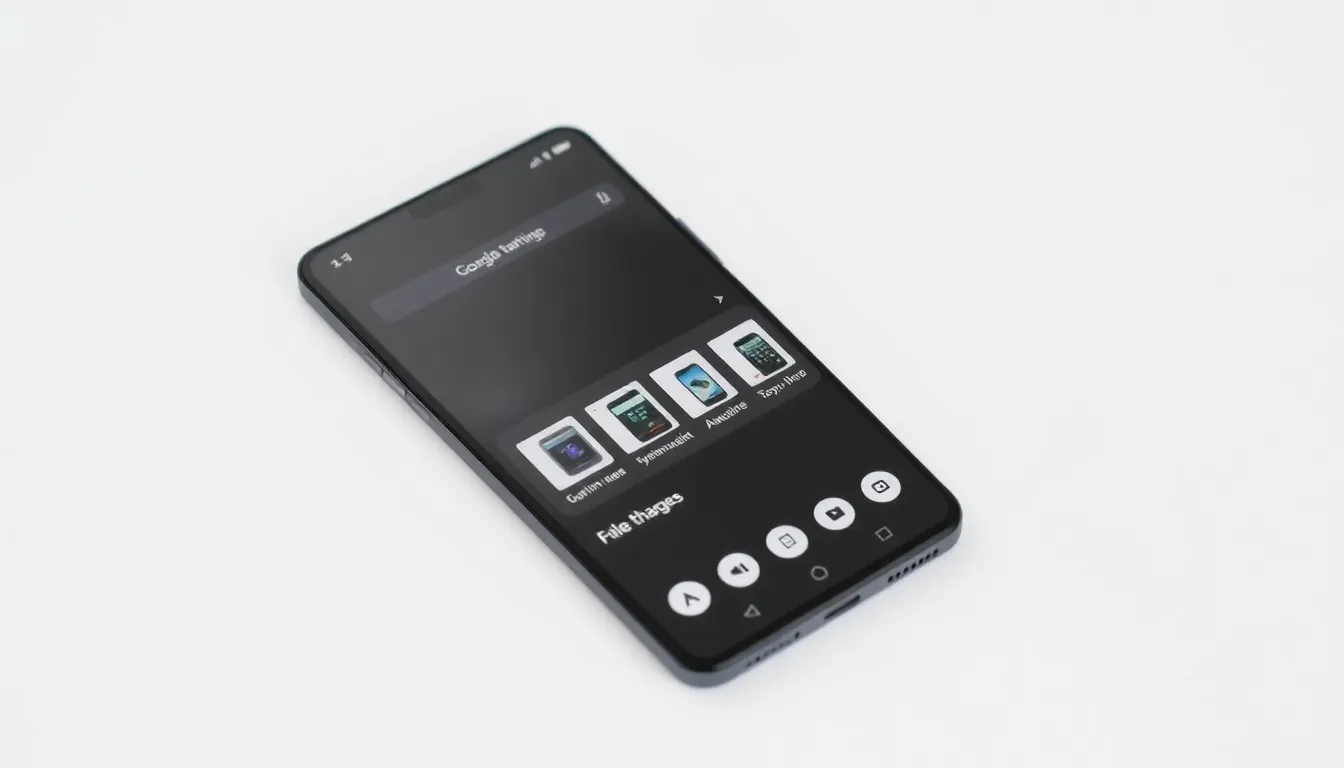
Pixel 10 Reportedly Gains AirDrop Support in Surprise Update
In an unexpected development that could reshape cross-platform file sharing, Google's Pixel 10 appears to have gained compatibility with Apple's AirDrop feature. The change, which seems to have arrived through a recent software update, potentially bridges one of the longest-standing gaps between Android and iOS ecosystems.
Breaking Down the AirDrop Integration
The implementation appears to work seamlessly, allowing Pixel 10 users to share files directly with nearby Apple devices without requiring additional apps or workarounds. Early indications suggest the feature maintains the same user experience found on Apple devices, with files transferring quickly and securely between platforms.
This development represents a significant shift in cross-platform compatibility strategy. While third-party solutions have long existed for Android-to-iOS file sharing, native support for Apple's proprietary protocol on an Android device marks a notable departure from traditional platform boundaries.
Technical Implications and User Experience
The technical achievement behind this integration is substantial. AirDrop relies on a combination of Bluetooth for device discovery and peer-to-peer Wi-Fi for actual file transfers, all secured through encryption. For Google to implement this on their flagship device suggests either reverse engineering or potentially some level of cooperation between the tech giants.
User reports indicate the feature works as expected: Pixel 10 users can reportedly see nearby Apple devices in their sharing menu and initiate transfers, while iPhone and Mac users can similarly detect the Pixel 10 as an available AirDrop target. The seamless integration suggests this was a carefully engineered solution rather than a simple workaround.
Broader Ecosystem Implications
This development could signal a new era of interoperability between Android and iOS devices. The ability to share files natively between platforms addresses a long-standing user frustration and could influence how other manufacturers approach cross-platform compatibility.
The timing is particularly interesting, coming alongside updates to Google's Gemini AI platform. The combination of advanced AI capabilities with improved device interoperability positions the Pixel 10 as a potentially transformative device in the smartphone landscape.
Conclusion
The apparent addition of AirDrop support to the Pixel 10 represents more than just a convenient new feature—it potentially marks a shift in how major tech platforms approach interoperability. If this implementation proves stable and widely adopted, it could pressure other Android manufacturers to pursue similar cross-platform compatibility, ultimately benefiting consumers across all device ecosystems. While questions remain about how this compatibility was achieved and whether it will extend to other Android devices, the current implementation on the Pixel 10 suggests that the walls between mobile platforms may be becoming more permeable than ever before.