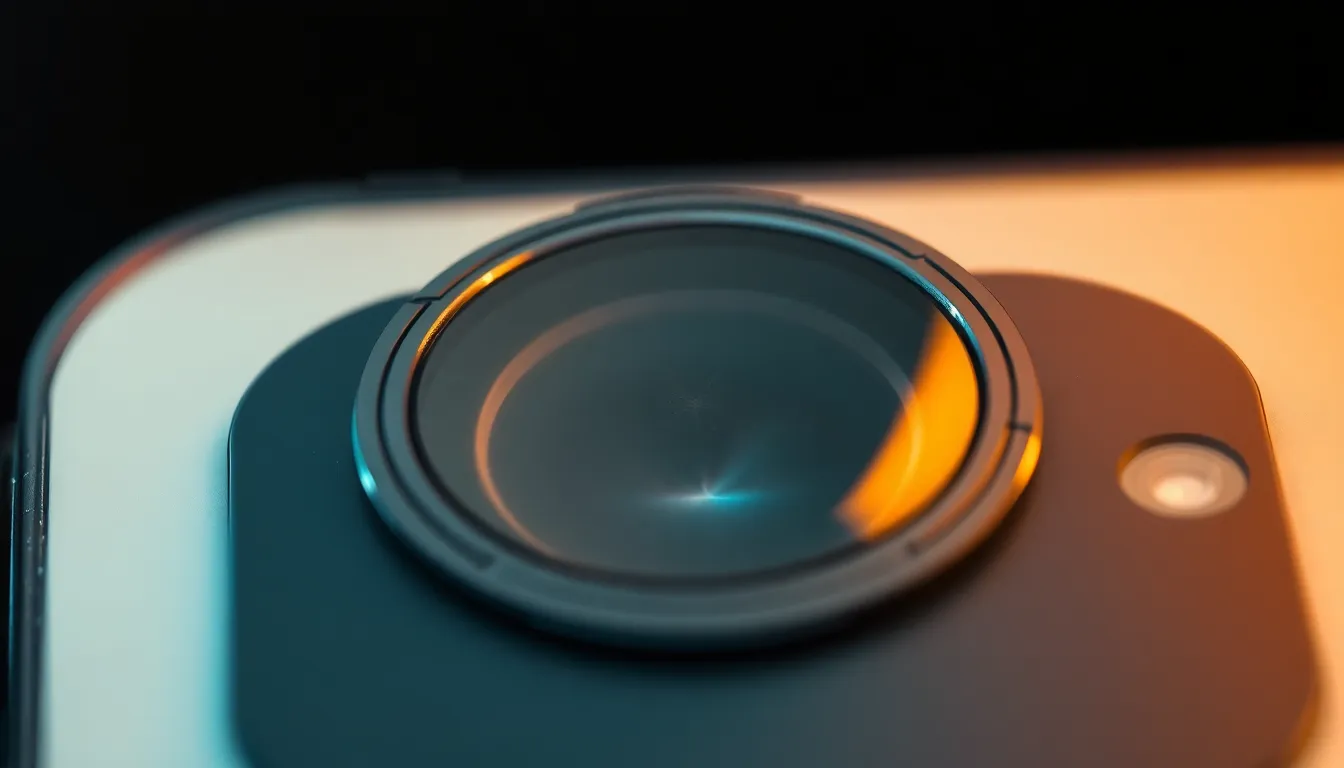
Pixel 10 Pro Flashlight Heat Concerns: Reports of Potential Lens Damage
The humble smartphone flashlight is typically a reliable, low-power utility. However, recent online discussions surrounding the Google Pixel 10 Pro suggest its implementation may be generating more heat than expected, with some users alleging it has caused physical damage to the device itself.
User Reports Detail Overheating and Damage
Over the past several months, a number of Pixel 10 Pro owners have taken to online forums to share concerning experiences with the device's LED flashlight. The primary complaint centers on the module becoming excessively hot during use, particularly when left active for extended periods.
More alarming are claims from a subset of users who report visible damage to the flashlight lens. These reports include images showing what appears to be a dark, burn-like mark or hole at the center of the flashlight's diffuser lens, while the surrounding plastic remains intact. The descriptions and visual evidence suggest a localized overheating event concentrated at the LED's emission point.
Narratives from affected users often follow a similar pattern: the flashlight was inadvertently left on for a prolonged time—sometimes overnight—leading to the discovery of the mark and noticeable heat emanating from the rear of the phone. The consistency of these reports across multiple independent sources lends credence to the phenomenon, though the exact cause remains unconfirmed.
Analyzing the Potential Causes
While the user reports are compelling, a degree of caution is warranted. Not all instances of a discolored lens may indicate a burn. The natural appearance of an LED emitter behind a diffuser can sometimes be mistaken for damage, especially in certain lighting conditions. It is possible that some users are observing normal optical effects.
Nevertheless, the recurring theme of excessive heat paired with specific damage claims points toward a potential hardware concern. Possible explanations could include a flaw in the thermal management of the LED driver circuit, an issue with the specific type of LED or its power output, or a vulnerability in the lens material to concentrated heat from prolonged operation. At this stage, it is unclear if this represents a widespread manufacturing defect or a rare issue affecting a small batch of devices.
The reports have sparked significant discussion within user communities, with many advising others to avoid using the Pixel 10 Pro's flashlight for lengthy durations until more information is available.
Conclusion and Recommendations
The emerging reports regarding the Pixel 10 Pro's flashlight highlight an unexpected potential risk from a commonplace feature. While the full scope and root cause are not yet officially determined, the pattern of user experiences suggests a genuine issue worthy of attention.
For current Pixel 10 Pro owners, it may be prudent to exercise caution. Avoid leaving the flashlight activated unattended for long periods and be mindful if the rear of the device near the flash module feels unusually warm during use. Users who observe concerning heat or any visible changes to the lens should contact official support channels. As more information surfaces, whether through official statements or broader user data, the nature of this reported problem will become clearer.