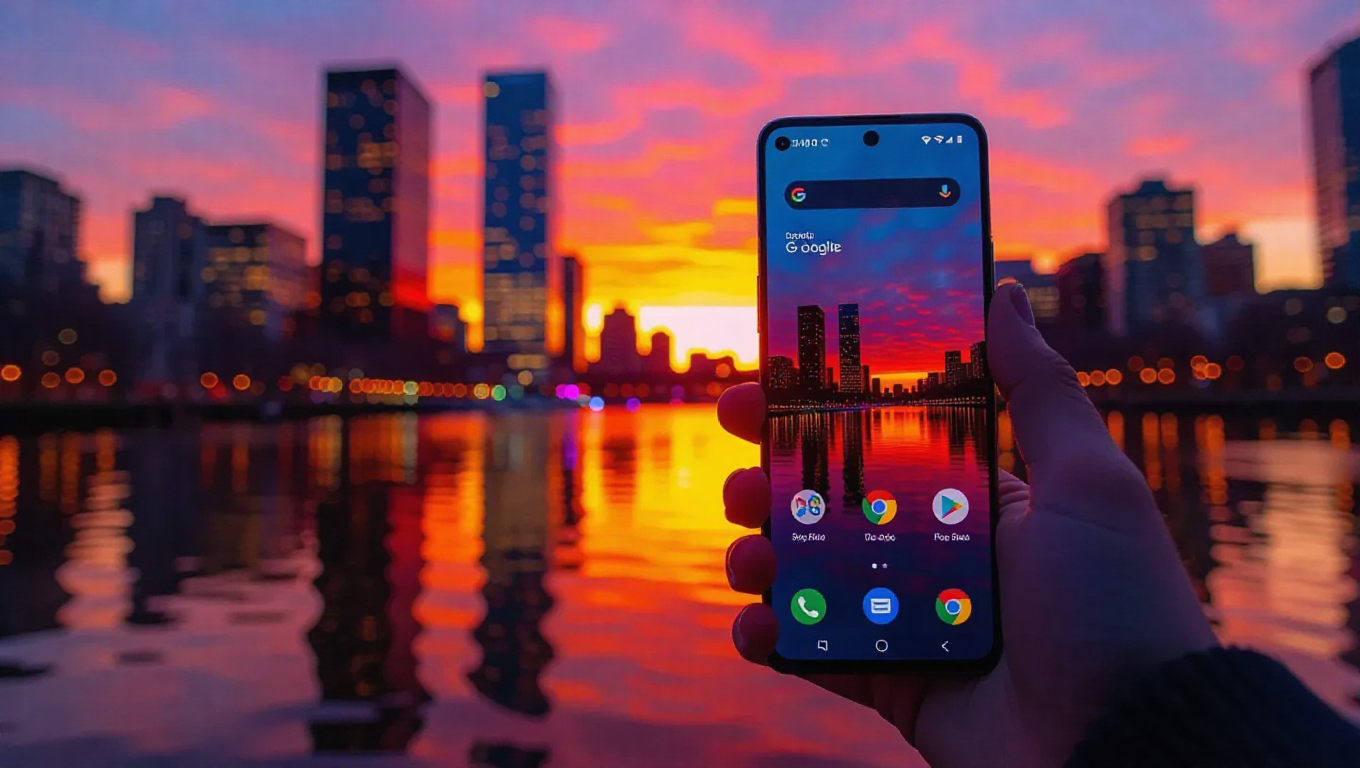
Pixel 10 Camera: Consistent Excellence May Need Innovation
Google's Pixel smartphones have long been celebrated for their camera performance, consistently delivering excellent results through computational photography. The Pixel 10 continues this tradition with remarkable consistency and reliability, but there's growing sentiment that Google's approach might need evolution beyond predictable excellence.
The Foundation of Pixel Photography
The Pixel 10 camera system builds upon Google's established strengths in computational photography. The device consistently produces well-exposed, color-accurate images with excellent dynamic range across various lighting conditions. This reliability has become a hallmark of Pixel photography – users know exactly what quality to expect regardless of the shooting scenario.
Real-world testing confirms this consistency. Whether capturing landscapes, portraits, or low-light scenes, the Pixel 10 delivers predictable, high-quality results. The computational processing works seamlessly in the background, applying Google's signature processing to create images that often require minimal editing. This approach has served Pixel users well, providing a dependable photography experience that doesn't require technical expertise.
Beyond Consistency: The Innovation Question
While the Pixel 10's camera delivers excellent results, there's emerging discussion about whether Google's focus on consistency might be limiting innovation. Competitors are exploring new photographic frontiers – advanced periscope zoom systems, larger sensors with better light capture, and novel computational approaches that create different types of images rather than just refining existing ones.
The current Pixel approach excels at making good photos better through processing, but some observers suggest Google might need to consider hardware advancements that enable fundamentally different photographic capabilities. This doesn't mean abandoning computational photography – rather, combining it with more ambitious hardware to create new possibilities.
Areas for Potential Evolution
Several areas could benefit from more substantial innovation. While the Pixel 10 handles most situations well, extreme low-light photography, advanced zoom capabilities, and professional-grade video features represent opportunities for more significant advancement. The current approach of refining existing capabilities through software might not be sufficient to address these areas comprehensively.
User feedback suggests that while the Pixel camera is excellent for everyday photography, enthusiasts and professionals sometimes find limitations in specialized scenarios. The consistency that makes Pixel photography accessible might also create a ceiling for those seeking more creative control or specialized capabilities.
Balancing Innovation and Accessibility
The challenge for Google lies in balancing innovation with the accessibility that has defined Pixel photography. The current approach makes excellent photography available to everyone, but maintaining market leadership might require pushing beyond this comfort zone. This doesn't mean sacrificing the reliable experience users love, but rather enhancing it with new capabilities that expand creative possibilities.
Future iterations could maintain Google's signature processing while introducing hardware advancements that enable new types of photography. This balanced approach would preserve what works while exploring new territory that keeps Pixel at the forefront of mobile photography.
Conclusion: The Path Forward
The Pixel 10 camera represents the culmination of Google's refined approach to mobile photography – consistent, reliable, and excellent. However, as competitors push boundaries with new hardware and computational approaches, there's valid discussion about whether consistency alone will maintain Pixel's leadership position.
The ideal path forward likely involves maintaining the accessible, high-quality experience that defines Pixel photography while introducing more substantial innovations that expand creative possibilities. Google has demonstrated mastery of computational photography; the next challenge may be combining this expertise with hardware advancements that enable new photographic experiences without sacrificing the reliability users have come to expect.
As mobile photography continues to evolve, the Pixel's success may depend on finding this balance – honoring its heritage of consistent excellence while embracing the innovation needed to define photography's next chapter.