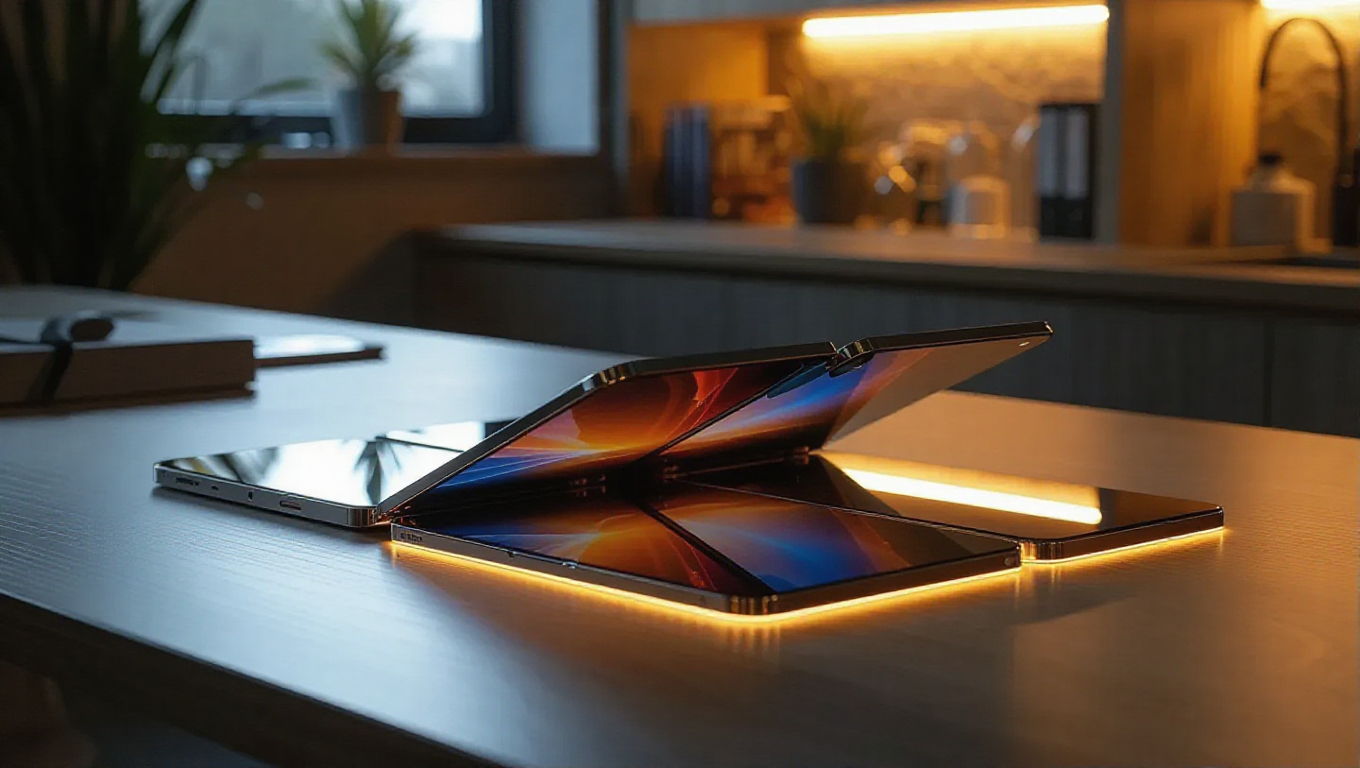
OPPO Developed Tri-Fold Phone Prototypes But Chose Not to Release Them
While Samsung and Huawei have been making headlines with their tri-fold smartphone launches, another major Android manufacturer has quietly explored the same technology—only to decide against bringing it to market. OPPO, a key player in the global smartphone industry, has confirmed that it developed multiple tri-fold prototype devices but ultimately shelved them due to concerns over costs and market viability.
The Hidden Prototypes
OPPO's experimentation with tri-fold designs came to light when a company official acknowledged the existence of these prototypes via a social media post. The official stated that the units remain in the company's possession, stored away rather than being prepared for launch. This revelation highlights a cautious approach from OPPO, even as competitors like Samsung prepare to release the Galaxy Z TriFold in the U.S. and Huawei continues to promote its Mate XT model.
Tri-fold phones, which feature three folding segments, aim to offer larger screen real estate while maintaining portability. They represent the next evolution in foldable technology, following the widespread adoption of dual-fold devices. However, their complexity introduces significant engineering and manufacturing challenges, which appear to have given OPPO pause.
Market and Cost Considerations
The decision not to release a tri-fold phone stems from practical business considerations. Reports indicate that rising production costs and uncertain consumer demand made the prospect less appealing. Tri-fold devices require more intricate hinge mechanisms, additional displays, and reinforced materials, all of which drive up expenses. These costs would likely be passed on to consumers, potentially limiting the addressable market.
Moreover, the foldable market, while growing, remains a niche segment within the broader smartphone industry. Brands must weigh the investment in cutting-edge technology against the potential for returns. For OPPO, the calculus suggested that the resources required for a tri-fold launch could be better allocated elsewhere, perhaps toward refining existing foldable models or enhancing conventional smartphones.
Industry Implications
OPPO's hesitation reflects a broader trend among Android manufacturers. While Samsung and Huawei have aggressively pursued tri-fold innovations, other brands have been more reserved, focusing instead on incremental improvements or waiting for the technology to mature. This divergence in strategy underscores the high stakes involved in pioneering new form factors.
The tri-fold segment is still in its infancy, with questions lingering about durability, software optimization, and real-world utility. By holding back, OPPO may be positioning itself to enter the market later, once these issues are resolved and consumer acceptance is clearer. Alternatively, the company might be exploring alternative innovations that align more closely with its brand identity and market strengths.
Conclusion
OPPO's confirmation of tri-fold prototypes offers a glimpse into the behind-the-scenes deliberations of smartphone makers. While the technology exists and has been demonstrated by industry leaders, commercial viability remains a key hurdle. For now, OPPO has chosen to keep its tri-fold designs in the drawer, prioritizing practicality over prestige. As the foldable market evolves, it will be interesting to see if other manufacturers follow a similar path or if the tri-fold trend gains enough momentum to draw more players into the fray.