Oppo Confirms Reno15 Pro Max and Reno15 Pro Mini in Global Rebranding Strategy
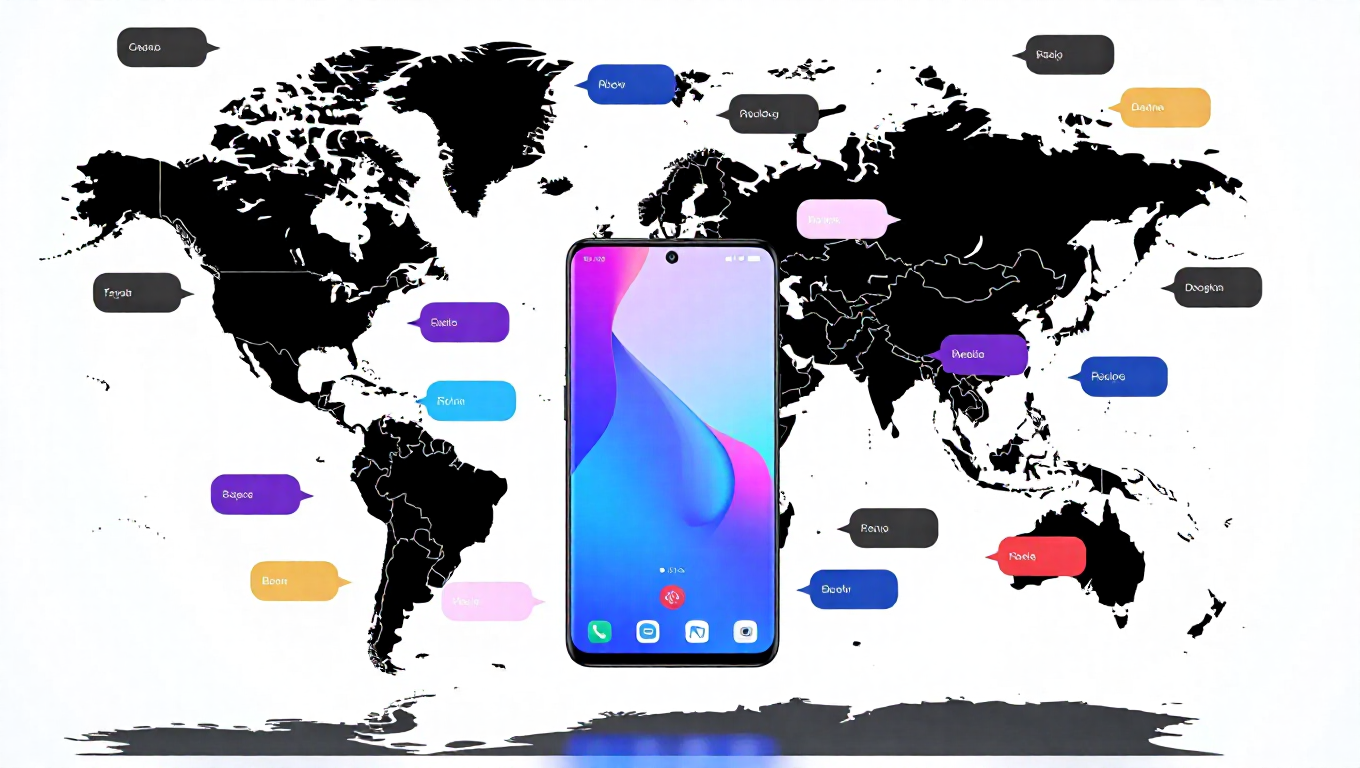
Oppo's Reno15 series is taking an unconventional path to global markets, with newly confirmed variants revealing a complex rebranding strategy that could confuse consumers across different regions. Following the Chinese launch of the Reno15 and Reno15 Pro in November, international releases appear imminent but with significant naming variations depending on location.
Multiple Names, Same Devices
The Google Play Console's Supported Devices List now includes two Reno15 Pro 5G models with distinct model numbers: CPH2811 and CPH2813. While these appear to be standard regional variants, the naming reveals a more complex picture. The CPH2811 will be marketed as the Reno15 Pro Max 5G in some markets, while the CPH2813 will be sold as the Reno15 Pro Mini 5G elsewhere.
This represents a significant departure from typical smartphone naming conventions, where model variations typically maintain consistent branding across regions. The strategy suggests Oppo is tailoring its marketing approach to different markets, though the technical specifications for these devices remain identical according to their model numbers.
Expanding Confusion Across the Lineup
The rebranding extends beyond the Pro models. Another Reno device with model number CPH2801 appears in the Google Play Console with four different names attached: Reno15 C 5G, Reno15 F 5G, Reno15 A, and Reno15 FS 5G. Despite the varied branding, all refer to the same hardware configuration, creating potential confusion for consumers trying to compare devices across markets.
This approach marks a new level of complexity in Oppo's global strategy. While regional variations in smartphone naming aren't unprecedented, having the same device marketed under four different names in various markets represents an unusually fragmented approach to branding.
Market Implications and Consumer Impact
The extensive rebranding raises questions about Oppo's global marketing strategy and its potential impact on consumer understanding. Customers researching devices online may encounter conflicting information depending on which regional variant they're viewing, potentially complicating purchase decisions.
Industry observers note that while regional customization can help address specific market preferences, excessive rebranding might dilute brand recognition and create support challenges. The approach could also affect third-party accessory compatibility and software support documentation.
Looking Ahead
As Oppo prepares for the global rollout of its Reno15 series, the confirmed rebranding strategy suggests the company is taking a highly localized approach to different markets. Whether this will translate to commercial success remains to be seen, but it certainly adds a layer of complexity to what consumers can expect when these devices reach international markets.
The strategy reflects broader trends in the smartphone industry, where manufacturers increasingly tailor their approaches to specific regions while maintaining core hardware platforms. However, Oppo's implementation appears particularly extensive, potentially setting a new precedent for how companies manage global product launches.