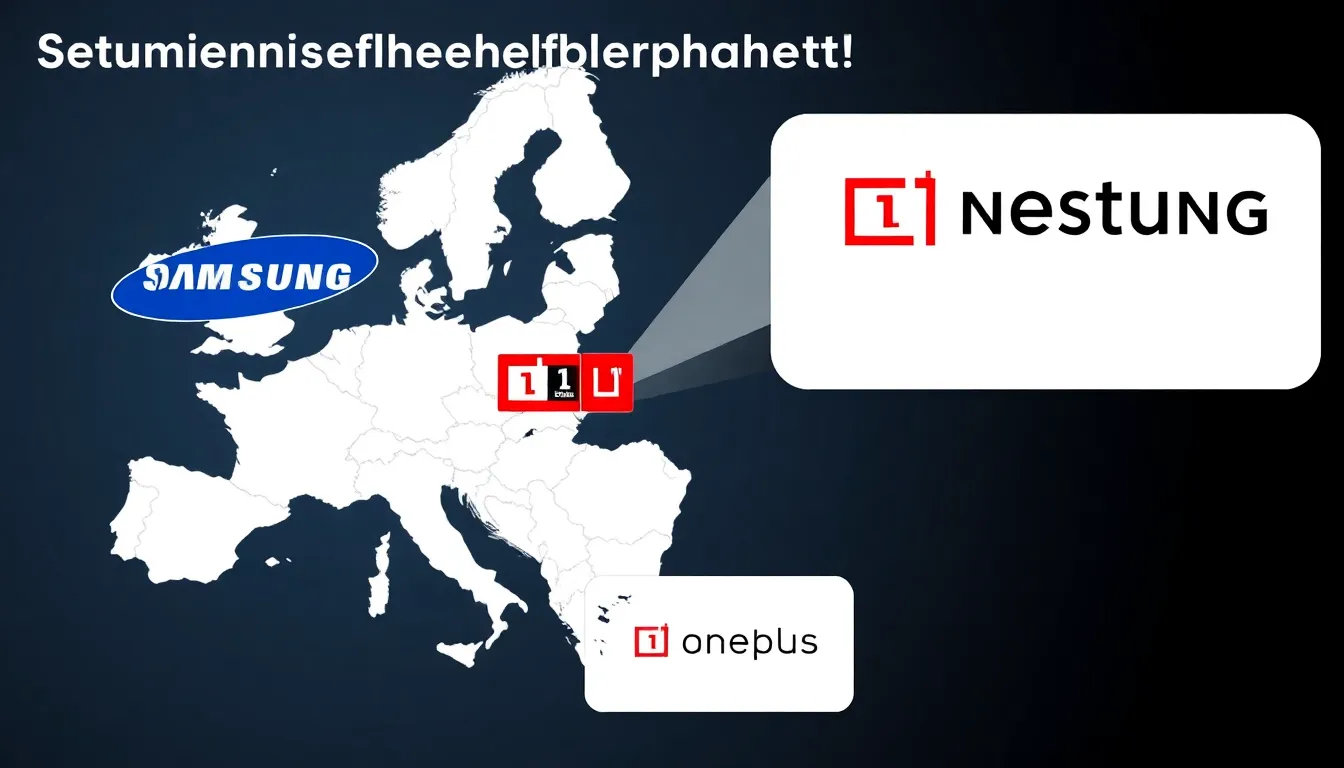
OnePlus Global Retreat Could Ease Samsung's Competitive Pressure in Key Markets
In the fiercely competitive smartphone industry, Samsung has faced mounting pressure from numerous rivals across price segments and regions. However, emerging reports suggest a significant shift may be underway that could alter the competitive landscape, particularly in markets crucial to Samsung's global strategy.
Signs of Strategic Withdrawal
Recent developments indicate that OnePlus, the Chinese smartphone brand known for its "flagship killer" positioning, may be preparing to scale back its international operations. The departure of OnePlus India CEO Robin Liu, who had been with the company since 2018, represents a notable leadership change in one of the brand's most important markets outside China.
More significantly, sources within the company suggest that OnePlus may cease operations in several regions, with Europe being a primary focus of this potential withdrawal. While the timeline remains fluid, some reports indicate changes could begin as early as April 2026. Employees in affected regions have reportedly been informed of these plans, with some already receiving severance packages ahead of a possible shutdown.
Parent Company Restructuring
The potential shift appears to be part of a broader strategic realignment by OPPO, OnePlus's parent company. Under this new approach, OPPO would reportedly concentrate more heavily on premium and flagship devices, while OnePlus and sister brand Realme would shift toward more affordable market segments.
This restructuring could result in future OnePlus devices having limited availability outside China and select Southeast Asian markets. The brand, which once aggressively expanded into Western markets with competitive pricing and strong specifications, may now retreat to focus on regions where it maintains stronger market positions.
Implications for Samsung
For Samsung, a reduced OnePlus presence in key markets could alleviate competitive pressure in both mid-range and high-end segments. In Europe, where OnePlus has established a loyal following with devices competing directly against Samsung's Galaxy A series and certain Galaxy S models, the withdrawal could create opportunities for market share gains.
The potential impact extends beyond Europe. While OnePlus has maintained a more limited presence in the United States compared to other regions, any scaling back of operations there would further reduce competition in a market where Samsung already faces significant pressure from Apple. In India, where both brands have competed intensely in recent years, leadership changes at OnePlus could signal a less aggressive expansion strategy.
Market Dynamics in Flux
The smartphone industry has experienced significant consolidation in recent years, with several brands either exiting markets or refocusing their strategies. OnePlus's potential retreat represents another chapter in this ongoing evolution. While the company has not officially confirmed these plans, the combination of leadership changes and internal reports suggests a strategic pivot is underway.
For consumers, a reduced OnePlus presence could mean fewer options in the competitive mid-range and premium segments. For Samsung, it represents an opportunity to strengthen its position in markets where it has faced intense competition from Chinese brands offering strong specifications at competitive prices.
As the situation develops, industry observers will be watching for official announcements from OnePlus and monitoring how Samsung responds to potentially reduced competition in critical markets. The coming months may reveal whether this represents a temporary strategic adjustment or a more permanent shift in the global smartphone landscape.