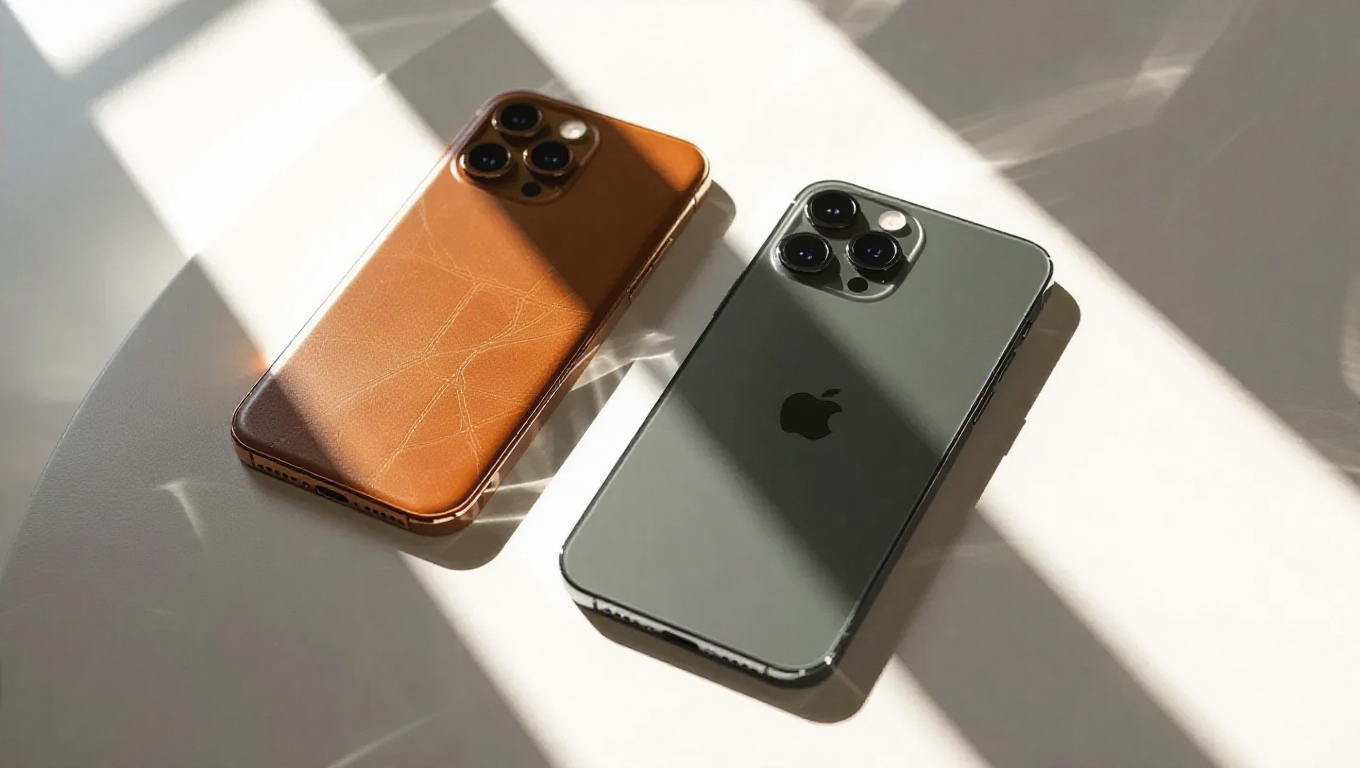
OnePlus 15 vs. OnePlus 13: A Flagship Comparison
With the release of the OnePlus 15, consumers now face a choice between two flagship devices from the same brand released in the same year. The OnePlus 13, launched earlier, and the newer OnePlus 15 present a nuanced comparison where generational improvements come with some trade-offs, particularly in pricing and camera hardware.
Design and Build
The two phones share similar dimensions, with the OnePlus 13 being slightly taller and thicker. The most noticeable difference lies in their design philosophy. The OnePlus 13 features a more rounded, oval shape with an eco leather back, while the OnePlus 15 adopts a blockier, flatter profile with either glass or fiber-reinforced plastic surfaces depending on the color variant.
Display Technology
Both devices feature LTPO AMOLED displays with support for HDR10+ and Dolby Vision HDR standards, offering comparable maximum brightness levels. The OnePlus 13 boasts a 6.82-inch panel with 1440x3168 resolution (510 ppi) and 120Hz refresh rate. The OnePlus 15 counters with a 6.78-inch display featuring 1272x2772 resolution (450 ppi) but pushes the refresh rate to 165Hz, making it unique in the current market. While the resolution is lower, the difference is not dramatically noticeable at this screen size, and the higher refresh rate provides smoother scrolling and gaming experiences in supported applications.
Battery and Charging
This is where the OnePlus 15 demonstrates clear generational improvement. It houses a substantial 7,300 mAh battery compared to the OnePlus 13's 6,000 mAh capacity. Testing shows the OnePlus 15 consistently outperforms its predecessor in battery life across various usage scenarios. Charging speeds also see an upgrade: the OnePlus 15 supports 120W wired charging (reaching 44% in 15 minutes, 78% in 30 minutes, and full charge in 41 minutes), while the OnePlus 13 offers 100W charging (reaching 55% in 15 minutes and 95% in 30 minutes).
Camera Considerations
Interestingly, the OnePlus 15 arrives with what appears to be downgraded camera hardware compared to the OnePlus 13. This inevitably affects image quality, though some might consider it more of a lateral move than a strict downgrade. The camera difference represents a significant consideration for photography enthusiasts who might prefer the older model's imaging capabilities.
Performance and Value
Both phones promise long software support and deliver flagship-level performance. The pricing difference is substantial: in Europe, the OnePlus 13 costs approximately €200-€250 less than the OnePlus 15, while in India the gap is around INR 10,000. This price differential makes the decision particularly challenging, as the newer model offers better battery life and charging but compromises on camera hardware.
Conclusion
The choice between the OnePlus 15 and OnePlus 13 ultimately depends on user priorities. The OnePlus 15 excels in battery endurance, charging speed, and display refresh rate, making it ideal for power users and mobile gamers. The OnePlus 13 remains a compelling option with its superior camera hardware and significant cost savings. For those who prioritize photography and value, the older model presents a strong case, while users seeking the latest in battery technology and smooth display performance will find the OnePlus 15 worth the premium.